2093 Rand Road, Des Plaines, IL 60016
E-mail us: info@myrightaway.com
24 Hour Service - 7 Days a Week

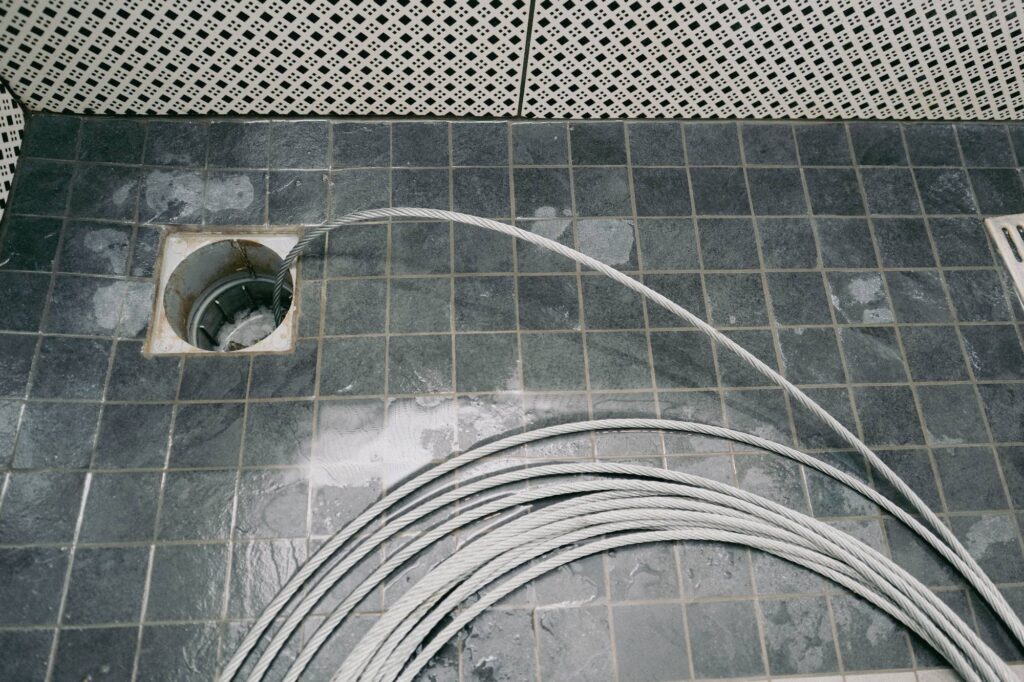
For homeowners, one of the most stressful and expensive plumbing problems is a damaged sewer line. When issues arise, the question that quickly follows is how much the sewer line repair cost will be. This cost can vary widely depending on several critical factors such as repair depth, pipe material, repair methods, and the location of the sewer line itself. Understanding these cost drivers helps you prepare for potential expenses and decide on the most cost-effective solution for your home.
One of the largest variables in sewer line repair cost is the method used to access and fix the pipe. Homeowners generally encounter two main options: trenchless methods and traditional open-cut excavation.
Trenchless sewer repair involves minimal digging and uses specialized technology such as pipe bursting or pipe lining. In pipe bursting, a new pipe is pulled through the old one while simultaneously breaking apart the damaged pipe. Pipe lining, on the other hand, involves inserting a resin-coated liner into the damaged pipe, which then hardens and creates a new pipe within the old structure.
Trenchless repair is often more expensive upfront than traditional digging because it requires advanced equipment and trained technicians. However, it usually saves money overall because it reduces labor hours and minimizes the need for extensive landscaping restoration. Costs for trenchless repair typically range between $100 and $250 per foot. For a standard 50-foot sewer line, that could be anywhere from $5,000 to $12,500.
The advantages of trenchless repair include faster completion times, minimal property disruption, and long-lasting results. Homeowners who want to preserve their landscaping, avoid tearing up driveways, or limit downtime often see trenchless repair as a worthwhile investment.
The conventional method, often called open-cut excavation, requires digging a trench along the length of the damaged pipe. The damaged section is then removed and replaced. While this method does not require specialized equipment, it is far more labor-intensive. Costs typically range between $50 to $150 per foot, which can mean a total of $2,500 to $7,500 for a 50-foot line.
While open-cut repair can be less expensive initially, it has additional hidden costs. Excavating large portions of your yard or driveway means you may face high restoration expenses once the job is complete. Additionally, the process can take longer and cause more disruption to your property and daily life.
In general, trenchless repair costs more upfront but can reduce overall expenses by avoiding restoration costs. Traditional repair may be cheaper per foot, but it often leads to higher property repair bills afterward. The best choice depends on your budget, the pipe’s condition, and property accessibility.
The material your sewer pipe is made of, as well as its location, has a significant effect on the final repair bill. Older homes may still have cast iron or clay pipes, while modern homes often rely on PVC or ABS plastic. The accessibility of the pipe, whether it is in your backyard, under a concrete driveway, or beneath a public street, also adds complexity to the project.
PVC (polyvinyl chloride) pipes are among the most cost-effective materials for sewer lines. They are lightweight, resistant to corrosion, and easier to cut and join, which makes installation quicker and less expensive. Repairing or replacing PVC pipes usually costs between $5 and $15 per foot in material costs.
Cast iron, on the other hand, is more expensive. It is heavy, labor-intensive to cut, and more difficult to handle. Material costs for cast iron can run from $20 to $40 per foot. In addition, cast iron pipes often corrode and develop scale buildup, making them harder to repair.
Clay and Orangeburg (a type of bituminous fiber pipe used in the mid-20th century) are other materials homeowners might encounter in older homes. Both are outdated and prone to collapse, which almost always requires full replacement. These repairs tend to cost more because of the extra labor required to remove fragile or deteriorating materials.
Understanding your pipe material helps you gauge the base costs of replacement and repair. A professional inspection can confirm your pipe type and provide a more accurate estimate.
Another major factor in sewer line repair cost is location. A pipe running beneath your backyard is usually easier to access than one running under a city street. If your line lies beneath a public right-of-way, you may be required to obtain municipal permits, pay additional fees, and work around utility lines. This not only increases costs but can also delay the project.
For example, a backyard repair with minimal obstacles may cost around $3,000 to $7,000. However, if the line extends under a sidewalk or roadway, costs can easily jump to $10,000 or more due to added complexity, traffic management, and city regulations.
Accessibility also matters on private property. A sewer line running under a landscaped garden, patio, or driveway will add to the repair bill due to excavation challenges and post-repair restoration needs. When accessibility is limited, trenchless repair becomes especially appealing since it requires less digging.
In addition to the direct costs of labor and materials, homeowners must also consider permits and restoration. These hidden costs can make a significant difference in the final price.
Before beginning sewer line repair, most municipalities require homeowners to obtain permits. Permit fees can range from $100 to $500 or more, depending on the scope of work and local regulations. If the repair extends into a public street, additional permits and inspection fees may be required. Some cities also require hiring inspectors or approved contractors, which adds to the expense.
While permit costs are unavoidable, they ensure the repair meets safety standards and protects your home from future legal or structural issues. Professional plumbing companies usually handle permitting on your behalf, but the costs are passed along to the homeowner.
Once the sewer line repair is complete, the property must be restored. Restoration costs depend on the extent of excavation and the features impacted.
If a trench were dug through your lawn, re-sodding or reseeding may be necessary. Lawn restoration typically ranges from $500 to $2,000, depending on the size of the affected area. If a driveway or patio was disrupted, concrete or asphalt replacement could cost between $1,000 and $5,000. Repairs under landscaped gardens or retaining walls can be even higher due to the complexity of replacing decorative features.
Even trenchless repairs may require some minor excavation for access points, which could mean patching up small areas of your yard. These restoration costs should always be factored into your budget, as they can make a major difference in your overall expenses.
While trenchless vs. traditional methods, pipe material, location, and restoration are the primary drivers of cost, there are several other factors to consider.
The deeper the sewer line is buried, the more labor-intensive the repair. Excavation depth affects both trenchless and open-cut methods, although trenchless methods generally handle depth more efficiently. Lines buried 3 to 6 feet deep are standard, but some may be as deep as 12 feet. Each additional foot of depth increases both time and labor costs.
Sometimes only a small section of pipe needs to be replaced, while in other cases an entire line must be redone. Spot repairs may cost as little as $1,500 to $3,000, while full replacements can exceed $15,000. The condition of the rest of the line also matters. If one section has failed due to age or corrosion, the remaining sections may not be far behind, making full replacement more cost-effective in the long run.
If a sewer line failure causes immediate damage or poses health hazards, emergency service may be required. Emergency repairs typically come with higher labor rates, especially if they occur after hours, on weekends, or during holidays. A proactive inspection can help you avoid these emergency premiums.
The sewer line repair cost depends on a wide variety of factors, including repair methods, pipe materials, accessibility, permitting, and restoration fees. Trenchless methods may cost more upfront, but can save money by reducing landscaping and driveway restoration expenses. Pipe material and location play a big role in determining both material and labor costs, while permitting and restoration add extra charges that should not be overlooked.
When facing sewer line issues, it is essential to work with a qualified plumbing company that can provide an accurate estimate and explain your options clearly. Taking the time to understand the cost drivers will help you make the most informed decision for your property and budget.
At Right Away Plumbing, we understand how overwhelming sewer line repair can be. You deserve to have a handy team of plumbers and HVAC experts who can install or repair any plumbing and HVAC system you need. We guarantee excellent customer service 24/7 for all of your plumbing needs. Our technicians serve the greater Chicago area with honest, reliable, and affordable services, from pipe repair to tankless water heater installation.
Let our team pay attention to the details and provide you with the personalized service you deserve. Whether you’re experiencing issues with your sump pump or need a new toilet installed, we can handle the matter with professionalism and skill. We promise prompt and efficient service, including 24/7 emergency assistance. Our goal is to resolve all of your issues and get your home back to running smoothly. Contact us today to schedule your sewer line inspection or repair.