2093 Rand Road, Des Plaines, IL 60016
E-mail us: info@myrightaway.com
24 Hour Service - 7 Days a Week

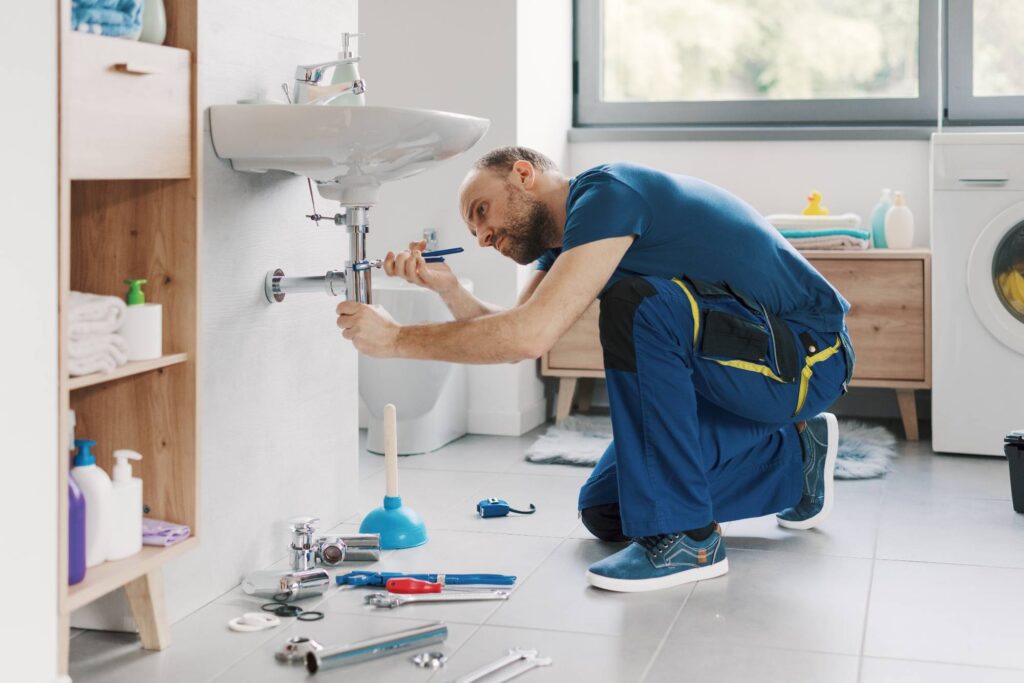
Plumbing problems can range from small annoyances to major crises. While a dripping faucet or a slowly draining sink can usually wait until business hours, certain issues demand immediate attention. That’s where emergency plumbing service comes in. When water is gushing uncontrollably, sewage is backing up, or your property is at risk of severe damage, quick professional help is not just convenient, it’s essential.
Not every plumbing issue requires calling a plumber at 2 a.m. However, several situations qualify as emergencies because they pose risks to your home, health, or safety. Let’s explore the most common ones.
One of the most frequent and damaging plumbing emergencies is a burst pipe. When a pipe bursts, water flows rapidly into your home, often soaking walls, ceilings, and floors in minutes. The sheer volume of water can cause thousands of dollars in damage if not addressed immediately. In cold climates like Chicago, burst pipes are especially common in winter when freezing temperatures cause pipes to expand and crack.
On the other hand, slow leaks—such as a small drip under the sink or a toilet tank leak—are typically not considered emergencies. While they should still be fixed promptly to avoid water waste, mold growth, and structural damage over time, they don’t pose the same immediate threat as a full-blown burst pipe.
The key distinction is urgency:
Few plumbing issues are as unpleasant—or as hazardous—as a sewer line backup. When sewage water begins to come up through drains, toilets, or showers, it creates serious health risks. Raw sewage contains harmful bacteria and pathogens that can contaminate your living space and cause illness.
Similarly, a toilet overflow that continues despite plunging or shutting off the water valve may signal a deeper issue in your sewer line. If water is spilling onto your floors and cannot be contained, this is definitely an emergency.
A sudden loss of running water is another situation that qualifies as an emergency. Water is essential for drinking, cooking, cleaning, and sanitation. If your household suddenly loses access to water and the issue isn’t related to a municipal outage, it could indicate a major leak, a broken main, or another serious plumbing failure.
Though less common, some plumbing emergencies involve gas-powered water heaters. If you smell natural gas (a sulfur or “rotten egg” odor) near your water heater or hear hissing, this may indicate a gas leak. This is a dangerous emergency requiring you to evacuate immediately, call your gas utility, and contact a 24/7 plumber who handles gas-related plumbing systems.
Plumbing emergencies don’t just disrupt your day—they can cause long-lasting damage and health hazards if ignored. Here’s why acting fast matters.
Flooding caused by burst pipes, overflows, or backups can wreak havoc in a matter of minutes. Water spreads quickly across flooring, seeps into drywall, and saturates insulation. Within 24 to 48 hours, untreated water damage can lead to mold and mildew growth, which is expensive to remediate and dangerous to your health.
Standing water can also compromise electrical systems, creating risks of shocks or fire. In multi-level homes, water from upper floors may damage ceilings, furniture, and even appliances below.
Delaying a response multiplies the costs. For example:
When sewage enters your home, it’s not just messy; it’s hazardous. Sewage contains bacteria, viruses, and parasites that can cause gastrointestinal illnesses and respiratory problems. Even a small amount of sewage exposure requires professional cleanup to ensure your home is safe to live in again.
Failing to call an emergency plumber quickly can also allow the problem to spread throughout your plumbing system, making repairs more complex and costly.
Even if a leak doesn’t appear catastrophic, water loss can add up quickly. A burst pipe can spill gallons of water per minute, while even a “minor” running toilet can waste hundreds of gallons a day. The longer you wait, the higher your utility bills climb—adding unnecessary financial strain.
Not all plumbing companies offer the same level of emergency support. When choosing a provider, look for qualities that ensure reliable, timely, and professional service.
While it’s important to act quickly in emergencies, not every plumbing issue requires immediate service. Here’s a quick guide to help you decide when to call right away and when to schedule a routine appointment.
Emergencies (Call Immediately):
Routine (Schedule for Later):
Plumbing emergencies are stressful, but knowing what qualifies as one—and acting quickly—can make all the difference. Burst pipes, sewer backups, and flooding situations all demand urgent attention, while routine issues like slow leaks or dripping faucets can wait until business hours. The key is to assess the urgency, recognize health and property risks, and contact a trusted emergency plumber when necessary.
When plumbing problems strike, you need more than just quick service; you need expertise, reliability, and a team that treats your home with care. That’s why homeowners across the greater Chicago area trust Right Away Plumbing for emergency plumbing service and routine maintenance.
You deserve to have a handy team of plumbers and HVAC experts who can install or repair any plumbing and HVAC system you need. At Right Away Plumbing, we guarantee excellent customer service 24/7 for all of your plumbing needs. Our technicians serve the greater Chicago area with honest, reliable, and affordable services, from pipe repair to tankless water heater installation.
Whether you’re having trouble with your sump pump or you need a new toilet installed, we can handle matters with professionalism and skill. We promise prompt and efficient service, including 24/7 emergency assistance! Our goal is to resolve all of your issues and get your home back to running smoothly.
Don’t wait for small issues to become disasters—contact us today for expert service you can rely on.