2093 Rand Road, Des Plaines, IL 60016
E-mail us: info@myrightaway.com
24 Hour Service - 7 Days a Week

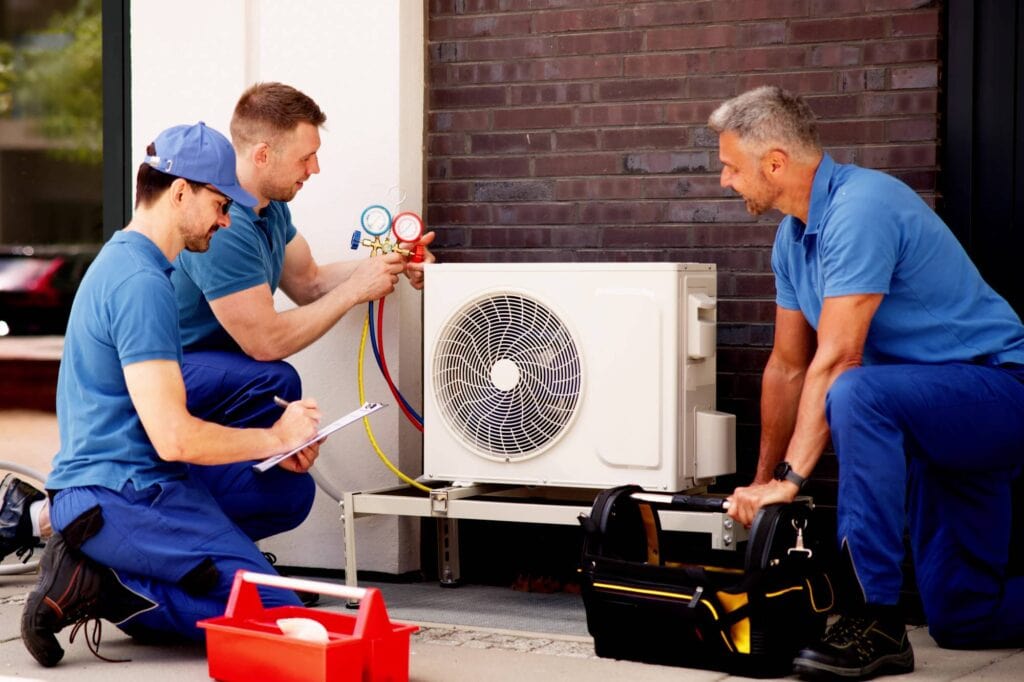
When homeowners ask, “How often should HVAC be serviced?” the best general answer is at least twice a year: once in the spring for your cooling system and once in the fall for your heating system. Your HVAC system works hard to keep your home comfortable through Chicago’s hot summers, freezing winters, and unpredictable seasonal changes. Regular service helps your system run efficiently, reduces the risk of surprise breakdowns, improves indoor air quality, and can extend the life of your heating and cooling equipment.
Many homeowners do not think about their HVAC system until something goes wrong. The air conditioner stops blowing cold air during a heat wave, the furnace struggles on the coldest night of the year, or energy bills suddenly rise without a clear reason. Routine maintenance is designed to prevent those stressful situations. By scheduling service before peak heating and cooling seasons, you give a trained technician the chance to inspect, clean, test, and fine-tune your system before it is under heavy demand.
Your HVAC system is one of the most important comfort systems in your home. It controls temperature, helps manage humidity, circulates air, and contributes to the overall health and safety of your indoor environment. Like any major appliance or mechanical system, it needs routine attention to perform properly.
Without regular maintenance, small issues can become larger and more expensive problems. A dirty filter can restrict airflow. A worn belt can affect performance. Loose electrical connections can create safety concerns. Low refrigerant levels can reduce cooling efficiency and strain the compressor. A dirty burner or clogged drain line can interfere with heating or cooling performance.
Routine HVAC service helps protect your home in several important ways:
When maintenance is skipped, your system may continue running, but it often has to work harder than necessary. That extra strain can increase monthly utility costs and shorten the lifespan of key components.
For most homes, HVAC systems should be serviced twice per year. The ideal schedule is:
This schedule gives each part of your HVAC system attention before the season when it will be used the most. Your cooling system should be checked before long stretches of hot, humid weather. Your heating system should be inspected before it needs to run daily during cold weather.
If your home has a heat pump, it may need service twice a year as well, since heat pumps often provide both heating and cooling. Because they work during more of the year than a standalone air conditioner or furnace, regular maintenance is especially important.
Some homes may benefit from more frequent service. You may want to schedule additional inspections if:
Twice-yearly service is a strong baseline, but the right schedule can depend on your home, your equipment, and your comfort needs.
A professional HVAC service appointment includes much more than a quick look at the thermostat. A trained technician inspects the system, tests important components, cleans areas that affect performance, and checks for signs of wear or damage.
During an air conditioning maintenance visit, a technician may:
During a heating maintenance visit, a technician may:
Every system is different, but the goal is the same: make sure your HVAC equipment is operating safely, efficiently, and reliably.
In addition to professional service, homeowners should regularly check and replace HVAC filters. For many homes, filters should be changed every 1 to 3 months. However, the right timing depends on your home and lifestyle.
You may need to change your filter more often if:
A clean filter helps air move properly through your system. When the filter is clogged, your HVAC equipment has to work harder to pull air through. This can reduce comfort, increase energy use, and place unnecessary strain on the blower motor and other components.
Checking your filter monthly is a smart habit. Even if it does not need to be replaced every month, you will know when it is getting dirty and can change it before it affects performance.
Even if you follow a regular maintenance schedule, it is important to pay attention to warning signs between appointments. HVAC systems often show symptoms before they fail completely.
Call a professional if you notice:
These issues may seem minor at first, but they can point to problems that need professional attention. Prompt service can help you avoid larger repairs and restore comfort faster.
Regular HVAC maintenance is not just about preventing breakdowns. It can also make your home more comfortable and efficient year-round.
When your system is clean and properly adjusted, it does not have to work as hard to heat or cool your home. Clean coils, proper airflow, accurate thermostat operation, and well-maintained components all support better efficiency. This can help reduce wasted energy and may lower monthly utility costs.
Many HVAC repairs start as small issues. A loose electrical connection, dirty component, clogged drain, or worn part may not cause an immediate breakdown, but it can lead to one over time. Routine service gives a technician the opportunity to catch and correct these problems early.
HVAC systems are a major investment. Regular maintenance helps reduce wear and tear, which can support a longer operating life. While no system lasts forever, a well-maintained unit is more likely to perform reliably for as long as possible.
A neglected system may struggle to distribute air evenly, remove humidity, or maintain the temperature you set on the thermostat. Maintenance helps your system deliver more consistent comfort throughout your home.
Your HVAC system circulates air through your home every day. If filters are dirty, coils are dusty, or ducts have airflow issues, indoor air quality may suffer. Regular service and filter changes can help reduce dust, allergens, and other airborne particles.
Knowing your HVAC system has been professionally inspected before extreme weather arrives can give you confidence. You are less likely to worry about your air conditioner failing during a summer heat wave or your furnace struggling during a winter cold snap.
Professional service is essential, but there are also simple steps homeowners can take to help keep HVAC systems in good condition.
Before and during the cooling season:
Your outdoor AC unit needs space for proper airflow. Keep plants, grass clippings, and debris away from the unit so it can release heat effectively.
Before and during heating season:
Heating equipment should always be taken seriously because safety is involved. If something seems wrong, it is better to call a professional promptly.
Yes, even newer HVAC systems should be serviced regularly. Some homeowners assume that new equipment does not need maintenance for the first few years, but that is not a good approach. New systems still collect dust, experience normal wear, and need inspections to stay in good condition.
Routine maintenance may also be required to keep warranty coverage active. Many manufacturers expect homeowners to maintain the system properly. Skipping service could create problems if a warranty claim is needed later.
Maintenance is not only for older systems. It is one of the best ways to protect a newer system from premature wear and performance issues.
Skipping HVAC maintenance may not cause immediate failure, but it can create problems over time. A system that is not serviced may become less efficient, less reliable, and more expensive to operate.
Possible consequences include:
Neglect can also make it harder to identify developing problems. By the time the system stops working, the repair may be more complicated and costly than it would have been with earlier attention.
The best time to schedule HVAC service is before you need the system the most. For cooling, schedule service in the spring. For heating, schedule service in the fall.
Waiting until the hottest or coldest part of the year can be risky. HVAC companies are often busier during extreme weather because more systems are breaking down. Scheduling early can help you avoid delays and ensure your system is ready when demand increases.
A good annual schedule looks like this:
If you missed the ideal window, it is still worth scheduling service. Late maintenance is better than no maintenance at all.
Comfort is important, but safety is another major reason to schedule HVAC maintenance. Furnaces and other heating systems must operate correctly to protect your home and family. During a heating inspection, a technician can check important safety components and look for signs of improper operation.
Electrical issues, blocked vents, ignition problems, gas connection concerns, or damaged components should never be ignored. Professional service helps identify these risks and gives you a chance to resolve them before they become more serious.
For air conditioning systems, maintenance can also help prevent water damage from clogged condensate drains, electrical problems, and system strain that may lead to component failure.
Most HVAC systems should be serviced twice a year. Schedule cooling maintenance in the spring and heating maintenance in the fall.
Annual maintenance is better than no maintenance, but twice-yearly service is usually recommended because your heating and cooling systems have different seasonal needs.
Most filters should be replaced every 1 to 3 months. Homes with pets, allergies, heavy system use, or extra dust may need more frequent filter changes.
Homeowners can replace filters, clear debris around outdoor units, and keep vents open. However, professional service is needed for inspections, electrical checks, refrigerant issues, safety testing, and deeper cleaning.
Spring is best for air conditioning maintenance, and fall is best for heating maintenance. These seasons prepare your system before heavy use begins.
It can help. A clean, well-maintained system usually runs more efficiently than a neglected one, which may reduce wasted energy and help control utility costs.
Often, yes. Older systems may benefit from closer monitoring because parts are more likely to wear out, and efficiency can decline with age.
Yes. Maintenance is preventive. A system can appear to work normally while still developing hidden issues that affect efficiency, safety, or reliability.
Call for repair if your system will not turn on, blows the wrong temperature, makes loud noises, leaks water, emits unusual odors, or cannot keep your home comfortable.
Professional technicians have the training, tools, and experience to inspect equipment safely, diagnose problems accurately, and recommend the right solutions for your home.
Regular HVAC service is one of the best ways to protect your comfort, your budget, and your home. Whether you need seasonal maintenance, emergency HVAC repair, plumbing service, or a new system installation, Right Away Plumbing is ready to help.
Right Away Plumbing provides expert plumbing and HVAC solutions for homeowners throughout the greater Chicago area. You deserve to have a handy team of plumbers and HVAC experts who can install or repair any plumbing and HVAC system you need. At Right Away Plumbing, customer service is available 24/7 for your plumbing needs, with honest, reliable, and affordable service from skilled technicians who pay attention to the details.
From pipe repair to tankless water heater installation, sump pump issues, toilet installation, HVAC service, and emergency assistance, the team handles every job with professionalism and care. If your home needs prompt, efficient service, trust Right Away Plumbing to help resolve the issue and get your home running smoothly again. Contact us today to schedule your HVAC or plumbing service.