2093 Rand Road, Des Plaines, IL 60016
E-mail us: info@myrightaway.com
24 Hour Service - 7 Days a Week

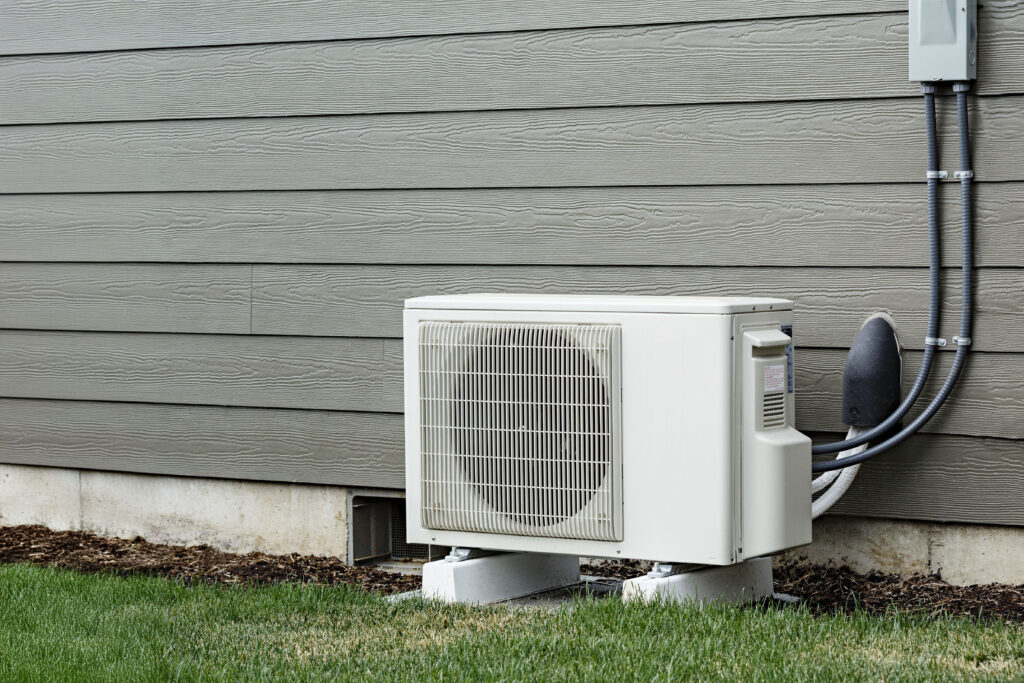
If your mini split not cooling properly has become a frustrating problem in your home, you are not alone. Mini split systems are known for their energy efficiency, quiet operation, and reliable comfort, but like any HVAC system, they can run into issues over time. When your unit is running, but the room still feels warm, the problem could be as simple as a dirty filter or as serious as a refrigerant leak, electrical malfunction, or failing compressor. Understanding the most common causes can help you know when a quick fix may be possible and when it is time to call an HVAC professional.
Mini splits are designed to provide targeted heating and cooling without traditional ductwork. They are popular in additions, bedrooms, basements, garages, home offices, and older homes where installing ductwork may not be practical. However, because these systems rely on proper airflow, refrigerant levels, sensor accuracy, and clean components, even a small issue can affect cooling performance. Below, we will explore why your mini split may not be cooling properly, what signs to look for, and how professional service can restore comfort to your home.
Before troubleshooting the issue, it helps to understand how a mini split works. A ductless mini split system typically includes an indoor air-handling unit and an outdoor condenser unit. The indoor unit pulls warm air from the room, moves it across an evaporator coil, and sends cooled air back into the space. Meanwhile, refrigerant transfers heat from indoors to outdoors.
When every component is working correctly, the system should cool the room efficiently and maintain the temperature set on the remote or wall controller. If any part of this process is interrupted, your mini split may blow warm air, cool unevenly, cycle too often, or fail to reach the desired temperature.
One of the most common reasons a mini split stops cooling well is a dirty air filter. Over time, dust, pet hair, pollen, and debris can collect on the filter and restrict airflow. When airflow is blocked, the system cannot pull in enough warm air or push out enough cool air.
Signs of a dirty filter may include:
Cleaning the filter is often one of the easiest maintenance tasks for homeowners. Many mini split filters are washable and reusable, but you should always follow the manufacturer’s instructions. In homes with pets, heavy dust, or frequent HVAC use, filters may need cleaning more often. If the filter has been neglected for a long time, the system may also need a deeper professional cleaning.
Sometimes the issue is not mechanical at all. Mini split systems have multiple operating modes, and it is easy to accidentally select the wrong one. If the system is set to fan mode, dry mode, heat mode, or auto mode, it may not cool the room the way you expect.
Check that your system is set to:
Also, make sure the remote control has fresh batteries and is communicating with the indoor unit. If the unit does not respond to commands, the problem may involve the remote, receiver, control board, or sensor.
Refrigerant is essential for cooling. It absorbs heat from inside your home and releases it outdoors. Mini split systems are sealed, which means refrigerant should not run low under normal conditions. If the refrigerant level is low, there is likely a leak somewhere in the system.
Common signs of a refrigerant problem include:
Refrigerant leaks should always be handled by a trained HVAC technician. Simply adding more refrigerant without finding and repairing the leak is not a proper long-term solution. A professional can locate the leak, repair it, test the system, and recharge it according to manufacturer specifications.
Your mini split relies on clean coils to transfer heat effectively. The indoor evaporator coil absorbs heat from the room, while the outdoor condenser coil releases heat outside. If either coil becomes covered in dirt, dust, grime, or debris, heat transfer becomes less efficient.
A dirty indoor coil may cause poor cooling, unpleasant odors, or ice buildup. A dirty outdoor coil may cause the system to overheat, struggle to cool, or shut down unexpectedly. Outdoor units can collect leaves, grass clippings, dirt, and other debris, especially if they are near landscaping or exposed areas.
Keeping the area around the outdoor unit clear is important. There should be enough space around the condenser for proper airflow. However, coil cleaning is often best left to professionals because the fins and components can be delicate.
Even if your filter and coils are clean, airflow problems can still prevent effective cooling. The indoor unit needs open space to distribute air throughout the room. If furniture, curtains, shelving, or other objects block the airflow, the room may not cool evenly.
Restricted airflow can also happen if the indoor fan is dirty or malfunctioning. Dust buildup on blower wheels can reduce performance and create noise. A failing fan motor can also cause weak or inconsistent airflow.
To improve airflow, make sure:
If airflow remains weak after basic cleaning, schedule service to inspect the blower assembly and fan motor.
A frozen indoor coil can prevent your mini split from cooling properly. Ice may form when airflow is restricted, refrigerant is low, or the coil temperature drops too much. Once ice builds up, the system cannot absorb heat correctly, and cooling performance drops quickly.
Signs of a frozen coil include visible ice, water dripping after the ice melts, weak airflow, and poor cooling. If you notice ice, turn the system off and allow it to thaw. Do not chip away at the ice, as this can damage the coil or refrigerant lines.
After the unit thaws, check the filter. If the filter is clean and the problem returns, call an HVAC technician. Repeated freezing is a sign that something needs professional attention.
Mini splits remove moisture from the air during the cooling process. That moisture collects as condensation and drains away through a condensate line. If the drain line becomes clogged, water may back up inside the unit and affect performance.
Drainage issues may cause:
Clogged condensate lines are especially common in humid conditions or when regular maintenance is skipped. A professional can clear the line, clean the drain pan, and check for proper drainage.
The outdoor condenser plays a major role in cooling. If the outdoor unit is not running correctly, the indoor unit may still blow air, but it will not be cool. Outdoor unit issues can involve electrical components, fan motors, capacitors, control boards, refrigerant lines, or compressor problems.
Common warning signs include:
Because outdoor unit problems can involve high-voltage electrical components and refrigerant, they should be diagnosed by a qualified HVAC technician.
Modern mini splits use electronic controls, sensors, communication wires, and circuit boards to operate properly. If there is a communication failure between the indoor and outdoor units, the system may stop cooling or display an error code.
Electrical issues may be caused by loose wiring, power surges, damaged boards, faulty sensors, or improper installation. If your mini split shows an error code, check your owner’s manual, but do not attempt electrical repairs on your own. Professional diagnosis is the safest way to identify the issue and prevent further damage.
If your mini split has never cooled properly, the issue may be related to sizing or installation. A unit that is too small for the space will run constantly and struggle to reach the set temperature. A unit that is too large may short cycle, which can lead to uneven temperatures and humidity problems.
Poor installation can also affect performance. Problems such as incorrect refrigerant line length, improper placement, poor drainage, bad wiring, or inadequate insulation can all reduce efficiency. A professional evaluation can determine whether the system is properly sized and installed for your home.
Mini splits need routine maintenance to stay efficient. Even though they are ductless, they still collect dust, debris, and buildup over time. Without regular cleaning and inspection, small problems can turn into larger repairs.
Routine maintenance may include:
Professional maintenance can improve cooling performance, lower energy costs, reduce breakdowns, and extend the life of your system.
Some mini split problems are simple enough to check on your own, such as confirming the mode setting or cleaning the filter. However, you should contact a professional if your system continues to struggle after basic troubleshooting.
Call an HVAC technician if you notice:
A trained professional can diagnose the root cause and recommend the right repair. Waiting too long may lead to more expensive damage, especially if the issue involves refrigerant, electrical components, or the compressor.
Your mini split may be running without cooling because of dirty filters, low refrigerant, incorrect settings, frozen coils, blocked airflow, or outdoor unit problems. Start by checking the mode and filter, then call a professional if the issue continues.
Most mini split filters should be cleaned every few weeks to every month, depending on usage, dust, pets, and indoor air quality. Always follow your system’s manufacturer guidelines.
Yes. Low refrigerant can prevent the system from absorbing and transferring heat properly. Since refrigerant should not run low in a sealed system, low levels usually mean there is a leak that needs professional repair.
Ice can form because of restricted airflow, a dirty filter, a dirty coil, or low refrigerant. Turn the system off to let it thaw, then schedule service if the issue returns.
A mini split may take some time to cool a hot room, but it should steadily lower the temperature. If it runs for hours without improvement, there may be an airflow, refrigerant, sizing, or mechanical issue.
You can handle basic tasks such as cleaning filters, checking settings, and clearing obstructions. Repairs involving refrigerant, wiring, sensors, motors, or internal components should be left to a licensed HVAC professional.
In a multi-zone system, uneven cooling may be caused by incorrect settings, dirty filters, sensor issues, refrigerant imbalance, or problems with a specific indoor unit. A technician can inspect each zone and identify the problem.
Regular maintenance is the best way to prevent problems. Clean filters, keep the outdoor unit clear, schedule professional tune-ups, and address small issues before they become major repairs.
When your mini split is not cooling the way it should, you deserve fast, reliable help from a team that understands your home comfort needs. We provide expert plumbing and HVAC solutions throughout the greater Chicago area, with honest, reliable, and affordable service you can count on.
You deserve to have a handy team of plumbers and HVAC experts who can install or repair any plumbing and HVAC system you need. At Right Away Plumbing, excellent customer service is available 24/7 for your plumbing needs, and our team is committed to prompt, efficient service when your home needs attention. From HVAC concerns and mini split issues to pipe repair, sump pump problems, tankless water heater installation, and toilet installation, our technicians handle the matter with professionalism, skill, and attention to detail.
Do not let poor cooling disrupt your comfort. Whether you need mini split repair, HVAC service, or dependable plumbing assistance, we are ready to help get your home back to running smoothly. Contact us today for personalized service, professional solutions, and 24/7 emergency assistance when you need it most.