2093 Rand Road, Des Plaines, IL 60016
E-mail us: info@myrightaway.com
24 Hour Service - 7 Days a Week

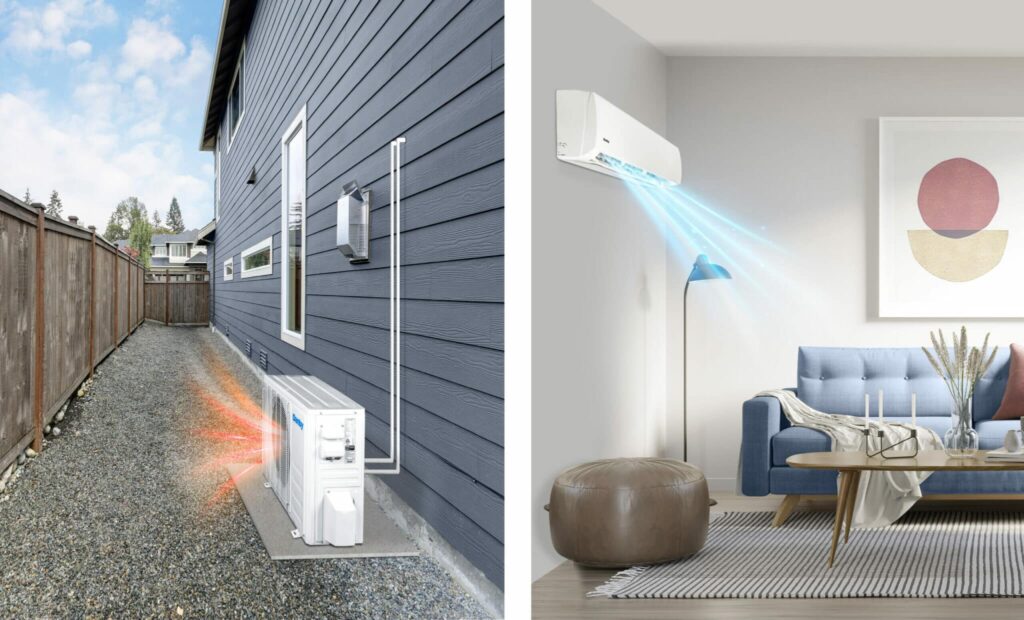
When your heat pump not working in cold weather becomes a frustrating reality, it can leave your home uncomfortable right when you need reliable heat the most. Heat pumps are designed to move heat from one place to another, and in the winter, they pull heat from the outdoor air and transfer it indoors. While modern heat pumps can perform well in cold temperatures, certain issues can cause them to struggle, run constantly, blow cool air, or stop heating altogether. Understanding why this happens can help you know when a simple adjustment may solve the problem and when it is time to call a professional HVAC technician.
A heat pump does not create heat the same way a furnace does. Instead, it transfers heat. Even when the air outside feels cold, there is usually still some heat energy available. Your heat pump extracts that heat using refrigerant, compresses it to raise the temperature, and distributes warm air throughout your home.
In mild winter weather, this process is usually very efficient. However, when outdoor temperatures drop significantly, your heat pump has to work harder to collect enough heat. If the system is aging, poorly maintained, incorrectly sized, or affected by ice, electrical problems, or refrigerant issues, performance can decline quickly.
Some decrease in efficiency during extreme cold is normal. However, a heat pump that cannot keep up, blows cold air for long periods, or will not turn on should be inspected.
Several problems can cause poor heat pump performance during winter. Some are related to weather conditions, while others point to mechanical or electrical issues.
A light layer of frost on the outdoor unit can be normal in cold weather. Heat pumps are built with a defrost cycle that melts frost from the outdoor coil. During this cycle, the system may temporarily switch modes to warm the outdoor coil, which can cause cooler air to come from the vents for a short time.
However, thick ice buildup is not normal. Ice can block airflow, strain the system, and prevent the heat pump from transferring heat properly.
Common causes of excessive ice include:
If your outdoor unit is encased in ice, do not chip away at it with sharp tools. This can damage the coil or fan blades. Instead, turn off the system and call a professional for diagnosis and repair.
Homeowners sometimes think their heat pump has failed when it is actually going through a normal defrost cycle. During defrost mode, you may notice:
This is usually normal and should not last long. If the system remains in defrost mode too long, enters defrost too often, or never seems to clear frost from the outdoor unit, there may be a problem with the defrost system.
Before assuming your heat pump needs repair, check the thermostat. A simple setting issue can make it seem like the system is not working.
Confirm that:
If your thermostat has an emergency heat setting, avoid using it unless necessary. Emergency heat relies on backup electric resistance heat or another secondary heat source, which can use much more energy. It is usually intended for temporary use when the heat pump is not working properly.
A clogged air filter is one of the most common causes of HVAC problems. When the filter is dirty, airflow becomes restricted. Your heat pump may have trouble distributing warm air, and the system may overheat, short cycle, or run longer than normal.
Dirty filters can cause:
Most homeowners should check the filter monthly during heavy heating and cooling seasons. Depending on your system, household size, pets, and indoor air quality needs, the filter may need to be replaced every one to three months.
Refrigerant is essential to heat transfer. If your heat pump has low refrigerant, it cannot absorb and move heat effectively. Low refrigerant is often caused by a leak and should always be handled by a trained HVAC technician.
Signs of low refrigerant may include:
Adding refrigerant without repairing the leak is not a lasting solution. A professional should locate the leak, repair it when possible, and recharge the system to the proper level.
Your outdoor unit needs open airflow to operate efficiently. During winter, snow, ice, leaves, branches, and other debris can collect around the unit and block airflow.
Keep the area around the unit clear by:
Never cover the outdoor unit while it is operating. Heat pumps need to pull air through the outdoor coil, and covering the unit can cause serious performance issues.
A heat pump must be properly sized for the home. If the system is too small, it may not be able to keep up during very cold weather. If it is too large, it may short cycle, which can reduce comfort and efficiency.
Age can also play a major role. As heat pumps get older, components wear down. Motors, fans, compressors, sensors, and electrical parts may become less reliable over time. If your heat pump is more than 10 to 15 years old and frequently needs repairs, replacement may be more cost-effective than continuing to fix the same system.
A professional HVAC technician can evaluate your current system and determine whether repair or replacement is the better option.
Many heat pump systems use auxiliary heat when outdoor temperatures drop too low or when the system needs help reaching the thermostat setting. Auxiliary heat may come from electric heat strips, a gas furnace in a dual-fuel system, or another backup heat source.
If your heat pump is running but your home is still cold, the auxiliary heat may not be turning on properly. This can be caused by:
Because auxiliary heat involves electrical components and sometimes gas equipment, diagnosis and repair should be handled by a qualified professional.
Heat pumps rely on multiple electrical components, including capacitors, contactors, relays, sensors, wiring, motors, and control boards. Cold weather can sometimes expose weaknesses in these parts, especially if the system has not been maintained.
Possible electrical issues include:
If your heat pump will not turn on at all, check the breaker once. If it trips again, do not keep resetting it. Repeated tripping can indicate a serious electrical issue that needs professional attention.
The compressor is one of the most important parts of a heat pump. It pressurizes the refrigerant and allows the system to move heat. If the compressor is failing, the system may blow cool air, make unusual noises, trip breakers, or fail to heat your home.
Compressor problems should be addressed quickly. In some cases, repairs may be possible. In other cases, especially with older systems, replacing the heat pump may be the smarter investment.
While many heat pump repairs require a professional, there are a few basic things homeowners can check safely.
Before scheduling service, you can:
These details can help your HVAC technician diagnose the issue faster.
You should call a professional if your heat pump is not heating properly and basic troubleshooting does not solve the problem. Professional service is especially important if you notice:
Prompt service can help prevent small problems from turning into expensive repairs.
Routine HVAC maintenance is one of the best ways to keep your heat pump working during cold weather. A professional tune-up can identify worn parts, airflow restrictions, refrigerant issues, and electrical concerns before they lead to a breakdown.
During maintenance, a technician may:
Scheduling maintenance before winter can improve comfort, reduce repair risks, and help your system operate more efficiently.
Your heat pump may blow cooler air briefly during defrost mode, which is normal. If it blows cold air continuously, the issue could be low refrigerant, a frozen outdoor coil, thermostat problems, compressor trouble, or failed auxiliary heat.
It can be normal for a heat pump to run longer during very cold weather because it has to work harder to heat your home. However, if it never reaches the thermostat setting or your home stays cold, you should schedule service.
Emergency heat should only be used when the heat pump is not functioning properly or when a technician recommends it. It can cost significantly more to run, so it is best treated as a temporary solution.
A light frost can be normal, but heavy ice buildup is not. Excessive ice may point to defrost system failure, low refrigerant, poor airflow, fan problems, or drainage issues.
It is generally better to avoid DIY thawing methods unless instructed by a professional. Hot water can refreeze, create slippery conditions, or damage components if used improperly. Call an HVAC technician if the unit is heavily iced over.
Most filters should be checked monthly and replaced every one to three months. Homes with pets, allergies, heavy system use, or poor indoor air quality may need more frequent filter changes.
If your system is newer and the issue is minor, repair may be best. If the heat pump is older, inefficient, frequently breaking down, or facing a major repair such as compressor failure, replacement may be the better long-term option.
A heat pump that stops working in cold weather can quickly affect your comfort, safety, and peace of mind. Whether your system is frozen, blowing cold air, struggling to keep up, or failing to turn on, professional help can make all the difference.
For dependable service in the greater Chicago area, turn to us at Right Away Plumbing, your expert plumbing and HVAC solutions team. You deserve to have a handy team of plumbers and HVAC experts who can install or repair any plumbing and HVAC system you need. At Right Away Plumbing, we guarantee excellent customer service 24/7 for all of your plumbing needs. Our technicians serve the greater Chicago area with honest, reliable, and affordable services, from pipe repair to tankless water heater installation.
Let our team pay attention to the details and provide you with the personalized service you deserve. Whether you are experiencing issues with your sump pump, need a new toilet installed, or require HVAC repair for a heat pump that will not keep your home warm, we can handle the matter with professionalism and skill. We promise prompt and efficient service, including 24/7 emergency assistance. Our goal is to resolve all of your issues and get your home back to running smoothly.
Contact us today to schedule plumbing or HVAC service and get reliable help when you need it most.