2093 Rand Road, Des Plaines, IL 60016
E-mail us: info@myrightaway.com
24 Hour Service - 7 Days a Week

Keeping your heating and cooling system in good condition starts with following the right HVAC seasonal maintenance tips throughout the year. Your HVAC system works hard in every season, whether it is keeping your home warm during a freezing Chicago winter or helping your family stay cool and comfortable during humid summer months. Without routine care, your system can lose efficiency, develop costly problems, and struggle to maintain consistent indoor comfort. Seasonal maintenance helps homeowners protect their equipment, reduce energy waste, improve indoor air quality, and catch small issues before they turn into major repairs.
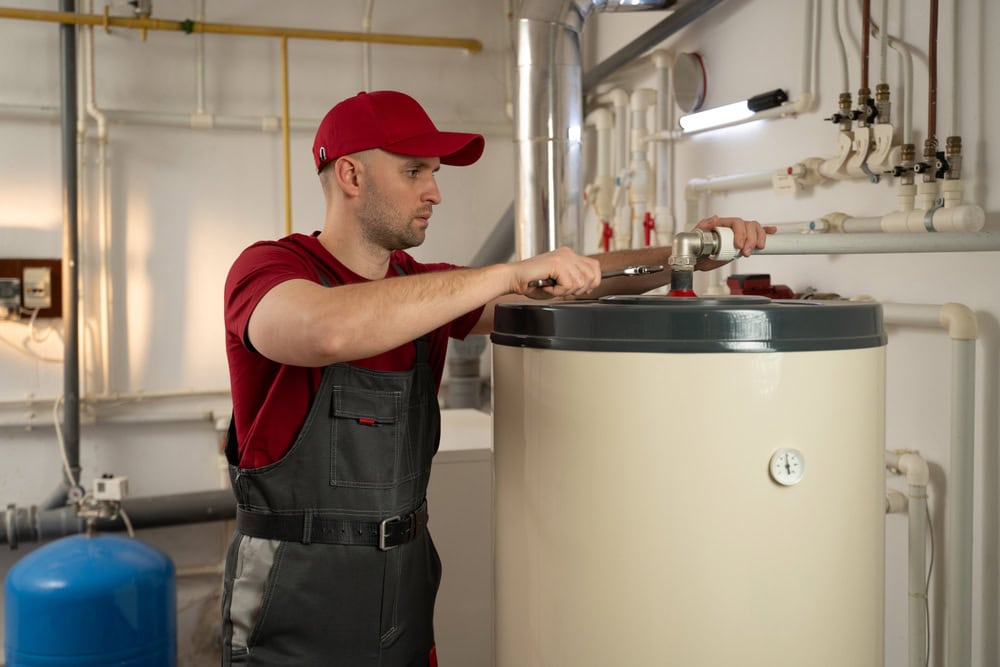
A well-maintained HVAC system does more than control temperature. It also supports better airflow, helps manage indoor humidity, and contributes to a healthier living environment. Since your heating and cooling equipment is one of the most important systems in your home, it deserves regular attention. The good news is that many maintenance steps are simple and practical, especially when paired with professional inspections from trained HVAC technicians.
Below are the best seasonal HVAC maintenance tips every homeowner should know.
Your HVAC system runs differently depending on the season. In the summer, your air conditioner may operate for long hours to keep up with the heat and humidity. In the winter, your furnace or heating system may work just as hard to maintain a safe and comfortable indoor temperature. Spring and fall are transitional seasons, making them ideal times to inspect, clean, and prepare your system before extreme weather arrives.
Seasonal HVAC maintenance matters because it can help:
When maintenance is ignored, dust, dirt, worn parts, airflow restrictions, and hidden mechanical issues can force your system to work harder than necessary. Over time, that extra strain can lead to higher energy costs, uneven heating or cooling, and premature equipment failure.
Spring is the perfect time to get your cooling system ready before hot weather arrives. After months of limited use, your air conditioner needs attention to make sure it is clean, efficient, and ready for summer demand.
One of the easiest and most important HVAC maintenance tasks is changing your air filter. A dirty filter restricts airflow, forcing your system to work harder. It can also allow dust, pollen, and other particles to circulate through your home.
Most homeowners should check the filter every month and replace it every one to three months, depending on the type of filter, household size, pets, allergies, and system usage. During peak heating and cooling seasons, filters may need to be replaced more often.
Your outdoor condenser unit can collect leaves, dirt, grass clippings, and other debris during the fall and winter. In spring, walk around the unit and make sure there is at least two feet of clearance on all sides. Trim back bushes, remove debris, and avoid storing items near the unit.
Good airflow around the condenser helps your air conditioner release heat properly. Restricted airflow can reduce cooling efficiency and increase wear on the system.
Before summer begins, schedule a professional cooling system inspection. A technician can check refrigerant levels, test electrical connections, inspect the evaporator and condenser coils, clean key components, test thermostat operation, and look for signs of wear or damage.
Professional maintenance helps ensure your air conditioner is operating safely and efficiently before you rely on it every day.
Spring is a good time to review your thermostat settings. If you have a programmable or smart thermostat, set cooling schedules that match your daily routine. Avoid setting the thermostat too low, since this can increase energy use without cooling your home faster.
A smart thermostat can help you save energy by automatically adjusting temperatures when you are asleep or away from home.
During the summer, your cooling system may be under heavy demand. Regular maintenance helps prevent breakdowns during the hottest days of the year.
Blocked vents can cause uneven cooling and restrict airflow. Make sure furniture, rugs, curtains, and household items are not covering supply or return vents. Keeping vents open and clear allows your HVAC system to distribute cool air evenly throughout your home.
Even in rooms you do not use often, avoid closing too many vents. Closing vents can increase pressure inside your ductwork and place unnecessary strain on your system.
Pay attention to how your air conditioner performs during summer. Signs of possible trouble include:
If you notice any of these warning signs, contact an HVAC professional promptly. Continuing to run a struggling system can make the problem worse.
Ceiling fans can help improve comfort by circulating cool air. In summer, set ceiling fans to rotate counterclockwise to create a cooling breeze. Fans do not actually lower the temperature, so turn them off when you leave the room to avoid wasting electricity.
Using fans along with your air conditioner may allow you to set the thermostat a few degrees higher while still feeling comfortable.
Your thermostat should be located away from direct sunlight, lamps, electronics, kitchen appliances, and other heat sources. If the thermostat senses extra heat, it may cause your air conditioner to run longer than necessary.
If your thermostat seems to read temperatures incorrectly, a technician can inspect its placement, calibration, and wiring.
Fall is the ideal time to prepare your heating system before cold weather arrives. A little preparation can help your furnace or heat pump operate reliably throughout the winter.
Your filter should be checked again in the fall, especially after a long summer of air conditioner use. Replacing a dirty filter before heating season helps support proper airflow and reduces strain on your furnace or heat pump.
Clean airflow is especially important during winter, when homes are often closed up tightly and indoor air may become dry or stale.
Do not wait until the first freezing day to test your heat. Turn your heating system on early in the season and make sure warm air flows from the vents. It is normal to notice a slight burning smell when the furnace runs for the first time after sitting unused, but the smell should go away quickly.
If you notice strong odors, loud noises, weak airflow, or no heat, schedule service before winter weather arrives.
A professional heating tune-up is one of the most important fall HVAC maintenance tasks. During an inspection, a technician can check burners, heat exchangers, ignition systems, electrical components, blower motors, belts, safety controls, and thermostat operation.
For gas furnaces, safety is especially important. A cracked heat exchanger or poor combustion can create serious hazards. Professional maintenance helps identify potential concerns before they put your home at risk.
If your home uses gas-burning appliances, carbon monoxide detectors are essential. Fall is a good time to test each detector and replace batteries if needed. Carbon monoxide is colorless and odorless, so working detectors are a critical safety measure.
Place detectors near sleeping areas and follow the manufacturer’s instructions for testing and replacement.
Winter can be especially demanding on your heating system. Regular attention helps your system operate efficiently and safely.
Make sure the space around your furnace, boiler, or indoor HVAC equipment is clean and free of clutter. Do not store boxes, cleaning products, paint, paper, or flammable materials near heating equipment.
Clear access also helps technicians inspect and repair your system more easily if service is needed.
Cold spots, drafts, and uneven temperatures can indicate airflow problems, duct leaks, insulation issues, or equipment concerns. If some rooms are much colder than others, check that vents are open and unobstructed.
If the issue continues, an HVAC technician can evaluate your ductwork, blower performance, thermostat, and system capacity.
Rattling, banging, grinding, squealing, or humming sounds should not be ignored. Some noises may point to loose parts, worn belts, motor problems, ignition issues, or airflow restrictions. Addressing unusual sounds early can help prevent more expensive repairs.
Winter air can become very dry, especially when your heating system runs often. Low humidity can cause dry skin, irritated sinuses, static electricity, and damage to wood furniture or flooring. A whole-home humidifier may help keep indoor humidity at a more comfortable level.
However, too much humidity can lead to condensation, mold growth, and indoor air quality issues. A professional can help you choose the right humidity solution for your home.
Some HVAC maintenance steps are important in every season. These habits help your system perform better all year long.
Air filter maintenance is not just a seasonal task. Check your filter monthly and replace it as needed. Homes with pets, smokers, allergy concerns, or heavy HVAC use may require more frequent filter changes.
Your ductwork plays a major role in comfort and efficiency. Leaky, dirty, or poorly insulated ducts can waste conditioned air and reduce system performance. If you notice dust buildup, weak airflow, or inconsistent temperatures, duct inspection may be worthwhile.
A sudden increase in utility bills can be a sign that your HVAC system is working harder than it should. While energy costs can change seasonally, unexplained spikes may point to dirty components, failing parts, duct leaks, thermostat issues, or aging equipment.
Dust and dirt are common enemies of HVAC efficiency. Keep indoor vents clean, vacuum around registers, and make sure outdoor units are free from leaves, branches, grass, and debris.
Never use a pressure washer on your outdoor AC unit. High pressure can damage delicate fins and components. If coils need deeper cleaning, contact an HVAC technician.
While homeowners can handle basic maintenance, many tasks should be left to licensed professionals. Call an HVAC expert if you notice:
Professional service is also recommended before each major heating and cooling season. Ideally, schedule AC maintenance in spring and heating maintenance in fall.
Even well-intentioned homeowners can make mistakes that affect HVAC performance. Avoid these common issues:
Preventive maintenance is usually easier and more affordable than emergency repair. By staying proactive, you can help your system run more reliably and efficiently.
HVAC equipment is a significant investment. Like any major home system, it lasts longer when it is properly maintained. Seasonal service reduces stress on motors, fans, coils, electrical parts, and other components. It also helps your system operate closer to its intended efficiency level.
When small problems are caught early, they are often easier to fix. For example, a worn belt, dirty coil, or loose electrical connection may be simple to address during a tune-up. If ignored, those same issues can lead to system breakdowns or larger component failures.
Routine maintenance can also help homeowners plan for future replacement. A trusted technician can tell you when your system is aging, losing efficiency, or becoming more expensive to repair. That information helps you make informed decisions instead of facing a surprise emergency.
Most homeowners should schedule professional HVAC maintenance twice a year. Schedule cooling maintenance in spring and heating maintenance in fall.
Check your filter monthly and replace it every one to three months. You may need more frequent changes if you have pets, allergies, or heavy system use.
Yes. A clean, properly maintained HVAC system usually runs more efficiently, which can help reduce energy waste and lower monthly utility costs.
Skipping maintenance can lead to poor airflow, higher energy bills, reduced comfort, more frequent repairs, and a shorter system lifespan.
Yes. Even newer systems need regular maintenance to stay efficient, protect warranties, and catch small issues before they become serious problems.
Homeowners can replace filters, keep vents clear, clean around outdoor units, monitor thermostat settings, and watch for warning signs. Professional inspections are still important.
Call a technician if your system stops working, makes unusual noises, produces strange smells, leaks water, cycles frequently, or struggles to heat or cool your home.
Yes. Clean filters, proper airflow, duct inspections, and well-maintained equipment can help reduce dust, allergens, and other airborne particles in your home.
Seasonal HVAC maintenance is one of the best ways to protect your comfort, your energy budget, and your home’s most important systems. Whether you need routine HVAC service, emergency repair, or help with a plumbing issue, Right Away Plumbing is ready to help.
We provide expert plumbing and HVAC solutions for homeowners throughout the greater Chicago area. You deserve to have a handy team of plumbers and HVAC experts who can install or repair any plumbing and HVAC system you need. At Right Away Plumbing, we guarantee excellent customer service 24/7 for all of your plumbing needs. Our technicians serve the greater Chicago area with honest, reliable, and affordable services, from pipe repair to tankless water heater installation.
Let our team pay attention to the details and provide you with the personalized service you deserve. Whether you are experiencing issues with your sump pump or need a new toilet installed, we can handle the matter with professionalism and skill. We promise prompt and efficient service, including 24/7 emergency assistance. Our goal is to resolve all of your issues and get your home back to running smoothly.
Contact us today to schedule reliable plumbing or HVAC service and get the professional care your home deserves.