2093 Rand Road, Des Plaines, IL 60016
E-mail us: info@myrightaway.com
24 Hour Service - 7 Days a Week

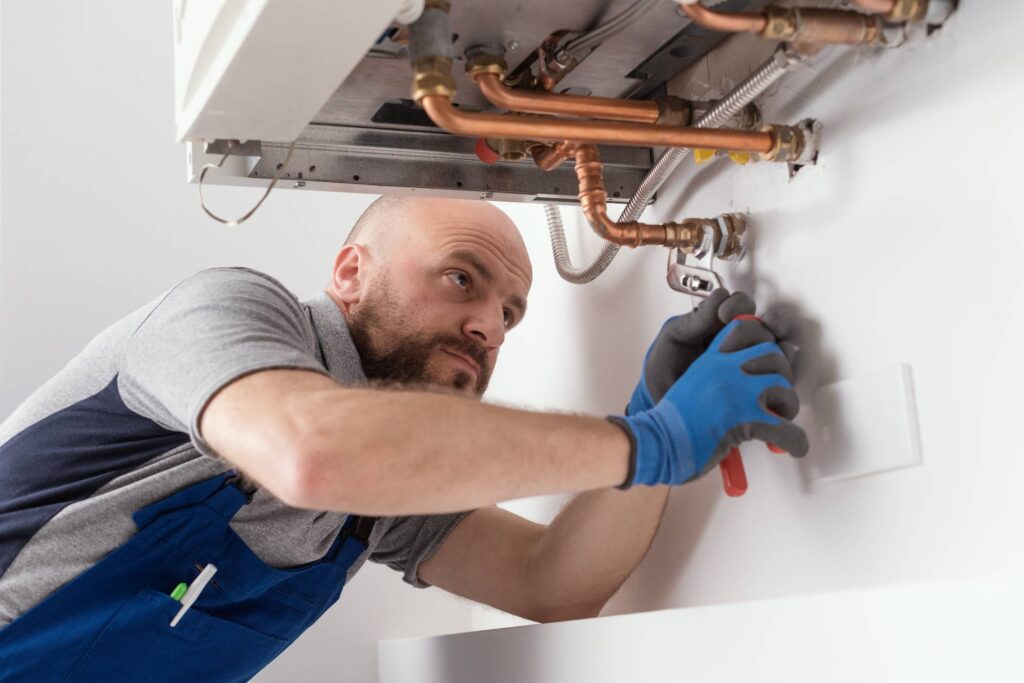
A reliable hot water supply is one of the most essential comforts in any home. Whether you are taking a shower, washing dishes, or running your laundry, your water heater works behind the scenes to keep your routine running smoothly. Yet even the most dependable units wear down over time. Understanding the most common water heater failure symptoms can help you catch issues early, prevent costly emergencies, and make informed decisions about repairs or replacement.
When your water heater begins to fail, it often gives off several warning signs. Recognizing these indicators early can save you from unexpected breakdowns and prevent property damage from leaks or tank ruptures. While age is often a contributing factor, performance issues and subtle changes to your water are equally important to watch for.
One of the earliest red flags of water heater trouble is unusual noise. You may begin to hear popping, rumbling, crackling, or hissing sounds coming from the tank. Sediment buildup at the bottom of the tank is the most common culprit. As minerals accumulate, they harden and trap pockets of air or steam. When the burner heats the water, these trapped pockets cause popping or rumbling. Excess sediment also forces the heater to work harder, reducing efficiency and shortening its lifespan.
Leaks around the base of your water heater are another sign that should never be ignored. Even a small puddle can signal a serious internal issue. Over time, tanks can corrode from the inside out, leading to cracks or weakened seams. If you see moisture on the floor, corrosion on the tank, or drips from connecting pipes, immediate action is essential. Left unchecked, leaks can worsen and lead to tank failure, flooding, and significant water damage.
If you notice rusty or discolored water coming from your faucets, your water heater may be deteriorating internally. Rust-colored water usually indicates corrosion inside the tank, particularly with older steel units. While this issue can sometimes be linked to your home’s plumbing, persistent rusty water when using hot water is a strong indicator of tank corrosion.
Temperature fluctuations are another common issue. If your water swings rapidly from hot to lukewarm or you constantly run out of hot water, your system might be struggling. Aging heating elements or a failing thermostat can cause inconsistent temperatures. Sediment buildup can also prevent the heating element from working efficiently, resulting in lukewarm water or long recovery times between uses.
Even the most well-maintained water heaters cannot last forever. Understanding the reasons behind water heater failure can help homeowners anticipate problems and protect their investment.
One major factor is age. Most traditional tank-style water heaters last between 8 and 12 years, depending on maintenance and water quality. As the tank ages, metal parts naturally weaken and become more vulnerable to corrosion. This corrosion is caused by constant exposure to water and minerals. Hard water contributes to faster deterioration because it contains high levels of calcium and magnesium.
Sediment buildup is another common reason water heaters fail. Over time, minerals in the water settle at the bottom of the tank. This layer of sediment acts as insulation, making it harder for the heating element to warm the water. As a result, the heater must use more energy and experience increased wear. Sediment can also cause overheating and damage the tank’s lining, which leads to cracking, leaks, and inefficiency.
Faulty components play a major role as well. Thermostats, heating elements, pressure relief valves, and anode rods all wear down naturally. The anode rod, in particular, protects the tank by attracting corrosive minerals. When the anode rod becomes fully deteriorated, corrosion begins attacking the tank itself. Routine maintenance can extend the life of these components, but eventually replacement is unavoidable.
Water pressure problems can accelerate water heater failure. Excessively high pressure stresses the tank and increases the risk of leaks or bursts. A malfunctioning pressure relief valve can also create dangerous conditions by preventing the tank from releasing excess pressure.
Finally, improper installation or poor maintenance can reduce a water heater’s lifespan. If the unit is not flushed annually or inspected regularly, sediment and corrosion can worsen quickly. Homeowners who skip maintenance may find that their systems fail years earlier than expected.
If your water heater stops working or begins showing signs of deterioration, there are steps you can take to minimize damage, diagnose the issue, and determine whether repair or replacement is the best path forward.
First, check for visible leaks or standing water around the tank. If you find any, shut off the water supply immediately to prevent flooding. Locating the cold-water shutoff valve and turning it to the off position will stop additional water from entering the tank. If you suspect an electrical issue, turn off the power supply at the breaker box. For gas water heaters, turn the gas control valve to the off position for safety.
Next, listen for noises or note any performance issues, such as a lack of hot water or inconsistent temperatures. These details can help a professional diagnose the underlying problem more quickly. Avoid attempting repairs on your own unless you are trained, as working with pressurized tanks, gas lines, and electrical components can be dangerous.
After securing the area and taking basic safety steps, call a licensed plumber. A professional technician can inspect the unit, identify the issue, and advise whether repair or replacement is the most cost-effective solution.
While many water heater problems can be repaired, there are times when replacement is the smarter choice. If your unit is over 10 years old and showing major water heater failure symptoms, the likelihood of breakdown increases significantly. Replacement can save money in the long run by preventing repeated repair bills and boosting energy efficiency.
If the tank is leaking, replacement is almost always necessary. A leaking tank cannot be repaired because the damage is structural. Corrosion, splits, or cracks indicate the tank has reached the end of its life. Continuing to operate a leaking tank is dangerous and may lead to sudden tank failure.
If your hot water supply is consistently insufficient or slow to recover, upgrading to a larger or more efficient unit may be beneficial. Modern water heaters, including tankless models, offer improved energy efficiency and better long-term reliability.
If repair costs approach or exceed half the cost of a new unit, replacement is generally recommended. A newer unit will provide better performance, lower utility bills, and fewer repairs.
Finally, if you want to reduce energy usage or adopt a more eco-friendly option, replacement provides an opportunity to upgrade to a high-efficiency or tankless system.
Your water heater is a critical part of your home’s comfort and functionality. When it begins to show signs of age or wear, acting quickly can prevent expensive repairs and unexpected breakdowns. If you are seeing water heater failure symptoms or suspect your system is struggling, reach out to the experts at Right Away Plumbing. You deserve to have a handy team of plumbers and HVAC experts who can install or repair any plumbing and HVAC system you need. At Right Away Plumbing, we guarantee excellent customer service 24/7 for all of your plumbing needs. Our technicians serve the greater Chicago area with honest, reliable, and affordable services, from pipe repair to tankless water heater installation. Let our team pay attention to the details and provide you with the personalized service you deserve. Whether you are experiencing issues with your sump pump or need a new toilet installed, we can handle the matter with professionalism and skill. We promise prompt and efficient service, including 24/7 emergency assistance. Our goal is to resolve all of your issues and get your home back to running smoothly.