2093 Rand Road, Des Plaines, IL 60016
E-mail us: info@myrightaway.com
24 Hour Service - 7 Days a Week

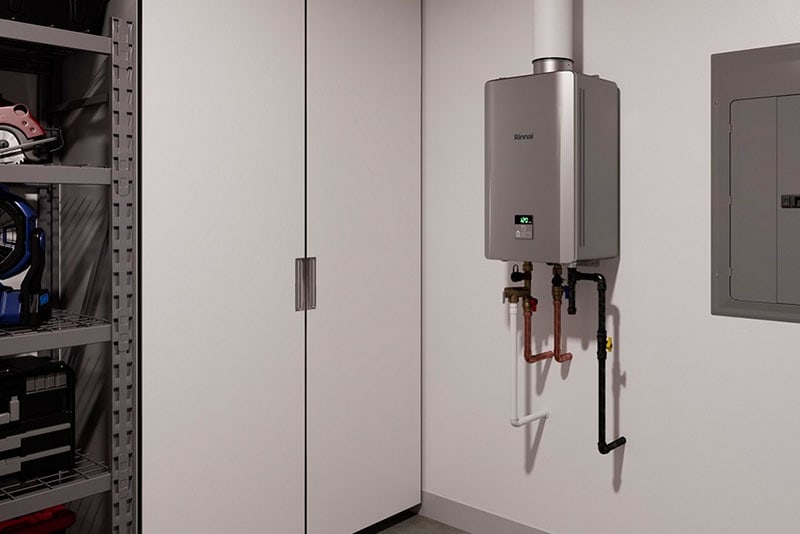
Choosing the right water heater for your home is a decision that affects your comfort, utility bills, and long-term investment in your plumbing system. Homeowners today are often weighing the benefits of a traditional tank-style unit against a modern tankless option. The debate around tank vs tankless water heater systems has grown as energy efficiency, space savings, and on-demand hot water become higher priorities for households. Understanding how these systems compare in cost, efficiency, lifespan, and installation can help you determine whether a tankless water heater is truly worth it for your home.
Water heaters are often out of sight and out of mind until something goes wrong. However, replacing or upgrading your system is an opportunity to improve performance and efficiency throughout your home. Below, we break down everything you need to know to make an informed decision.
Traditional tank water heaters store a set amount of hot water, usually between 30 and 80 gallons, and keep it heated at all times. When you turn on a faucet or appliance, hot water is pulled from the tank and replaced with cold water that must then be reheated. Tankless water heaters, also known as on-demand systems, heat water only when it is needed. Instead of storing hot water, they use powerful heating elements or gas burners to warm water as it flows through the unit.
The biggest functional difference between these systems is availability. Tank water heaters can run out of hot water if demand exceeds the tank capacity. Tankless systems provide a continuous supply of hot water as long as the unit can keep up with the flow rate.
Key differences include:
Both systems are reliable when properly maintained, but their performance characteristics suit different household needs.
Energy efficiency is one of the most compelling reasons homeowners consider tankless water heaters. Traditional tank units lose energy through standby heat loss, which occurs when stored hot water cools over time and must be reheated. This happens even when no one is using hot water.
Tankless water heaters eliminate standby heat loss by heating water only when it is required. This design can lead to noticeable energy savings, especially in homes with moderate or intermittent hot water usage.
Efficiency considerations include:
While energy savings are real, the actual reduction in utility bills depends on household size, usage habits, and fuel type.
Another important factor in the tank vs tankless water heater discussion is lifespan. Traditional tank water heaters generally last between 8 and 12 years. Over time, sediment buildup inside the tank can reduce efficiency and eventually cause corrosion or leaks.
Tankless water heaters are designed with longevity in mind and often last 20 years or more. Their components are less exposed to constant pressure and heat, and many parts are replaceable, which can extend the overall life of the system.
Maintenance differences include:
Although tankless systems have a longer life expectancy, neglecting maintenance can reduce efficiency and lead to costly repairs.
Tankless water heaters offer several advantages, but they are not the right solution for every home. Understanding both the benefits and drawbacks helps set realistic expectations.
Pros of tankless water heaters:
Cons of tankless water heaters:
For many homeowners, the appeal of endless hot water and long-term savings outweighs the initial expense. For others, especially those with limited budgets or low hot water usage, a traditional tank system may still make more sense.
Cost is often the deciding factor when choosing between a tank and a tankless water heater. Traditional tank water heaters are generally less expensive to purchase and install. They typically cost less upfront and can often be swapped out with minimal changes to existing plumbing or electrical systems.
Tankless water heaters have a higher initial cost due to the complexity of the system and installation. In many cases, homes require upgrades to gas lines, venting, or electrical panels to support the unit.
Cost considerations include:
When evaluating cost, it is important to look beyond the purchase price. Long-term operating costs, maintenance, and lifespan all play a role in determining overall value.
Not every home is an ideal candidate for a tankless water heater. However, there are certain situations where making the switch is especially beneficial.
You may want to consider switching if:
Conversely, sticking with a tank water heater may be better if your household has low hot water demand, your budget is limited, or your home requires extensive upgrades to support a tankless system.
So, is a tankless water heater worth it? The answer depends on your household needs, budget, and long-term plans. Tankless systems offer clear advantages in energy efficiency, lifespan, and convenience, but they also come with higher upfront costs and installation considerations. Traditional tank water heaters remain a reliable and cost-effective option for many homes.
Making the right choice requires professional guidance and a thorough evaluation of your plumbing and HVAC systems. A trusted expert can help you assess your hot water usage, energy goals, and installation requirements to determine the best solution.
If you are considering upgrading your water heater or need help maintaining your current system, Right Away Plumbing is here to help. As your expert plumbing and HVAC solutions provider, Right Away Plumbing delivers excellent customer service 24/7 for all of your plumbing needs. Our technicians serve the greater Chicago area with honest, reliable, and affordable services, from pipe repair to tankless water heater installation. You deserve to have a handy team of plumbers and HVAC experts who can install or repair any plumbing and HVAC system you need. Let our team pay attention to the details and provide you with the personalized service you deserve. Whether you are experiencing issues with your sump pump or need a new toilet installed, we handle every job with professionalism and skill. We promise prompt and efficient service, including 24/7 emergency assistance. Our goal is to resolve all of your issues and get your home back to running smoothly. Contact us to schedule your service today and experience the Right Away difference.