2093 Rand Road, Des Plaines, IL 60016
E-mail us: info@myrightaway.com
24 Hour Service - 7 Days a Week

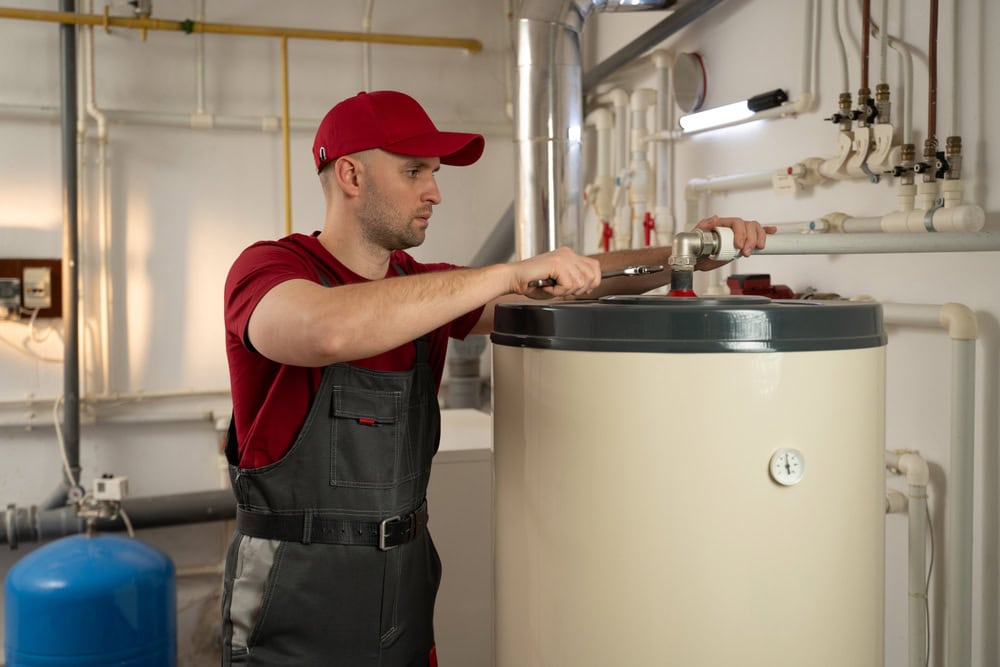
Maintaining the right water pressure in your home is essential for comfort, safety, and the long term health of your plumbing system. Many homeowners do not realize that excessive water pressure can quietly cause damage behind walls, under floors, and inside appliances long before a major plumbing failure occurs. One of the most effective ways to control this risk is through proper water pressure regulator installation, which helps keep pressure levels within a safe and consistent range. Understanding the warning signs that your home may need a water pressure regulator can help you avoid costly repairs and protect your plumbing investment.
A water pressure regulator is a valve installed on your main water line that reduces incoming water pressure from the municipal supply to a safe level for residential plumbing. City water pressure is often much higher than what a home plumbing system is designed to handle. While strong pressure may feel convenient in the shower, anything above recommended levels can put unnecessary stress on pipes, fixtures, and appliances.
Most homes function best with water pressure between 40 and 60 pounds per square inch. When pressure regularly exceeds this range, the risk of leaks, pipe damage, and premature wear increases significantly. A properly functioning regulator ensures that water enters your home at a controlled, stable pressure, even when municipal supply pressure fluctuates.
Many homeowners assume that water pressure problems always mean pressure is too low. In reality, high water pressure is often the more dangerous issue because it can go unnoticed for years. Municipal water systems frequently deliver water at pressures exceeding 80 pounds per square inch, especially in densely populated areas or homes located downhill from pumping stations.
Without a regulator, your plumbing system absorbs this force every time you turn on a faucet, run a dishwasher, or flush a toilet. Over time, this stress adds up, leading to avoidable plumbing failures that can disrupt your home and budget.
One of the clearest signs that your home may need a water pressure regulator is recurring plumbing leaks. High pressure accelerates wear on pipe joints, fittings, and seals, causing them to fail sooner than expected. If you find yourself calling for pipe repairs more often than seems reasonable, excessive pressure may be the root cause.
Common leak-related warning signs include:
When pressure is consistently too high, even high-quality plumbing materials struggle to hold up. Installing a regulator can dramatically reduce these recurring issues.
Do your pipes make loud banging, knocking, or vibrating noises when you shut off a faucet or appliance? This phenomenon, often referred to as water hammer, is frequently associated with excessive water pressure. When fast-moving water suddenly stops, it creates a shockwave that slams against pipe walls.
While water hammer can sometimes be mitigated with air chambers or arrestors, high pressure often worsens the problem. If noisy pipes are a regular occurrence in your home, it may indicate that your system is under too much stress and would benefit from pressure regulation.
High water pressure not only affects pipes. It can significantly shorten the lifespan of water-using appliances throughout your home. Dishwashers, washing machines, ice makers, and water heaters are all designed to operate within specific pressure ranges.
When pressure is too high, internal components wear out faster, leading to more frequent breakdowns and replacements. Signs of pressure-related appliance damage include:
A water pressure regulator protects these expensive appliances by ensuring they operate under safe conditions, ultimately saving you money.
Faucets and toilets rely on rubber seals, gaskets, and valves to function properly. Excessive pressure puts constant strain on these small components, causing them to wear out faster. If you notice faucets that drip shortly after being repaired or toilets that run continuously despite new parts, high pressure could be the underlying issue.
While replacing individual components may offer temporary relief, the problem often persists until the pressure itself is addressed. Regulating pressure helps fixtures last longer and operate more reliably.
Flexible supply lines connect your sinks, toilets, and appliances to the main water supply. These lines are especially vulnerable to high pressure because they are not as rigid as hard pipes. Over time, excessive pressure can cause them to bulge, weaken, or burst without warning.
A burst supply line can release a significant amount of water in a short time, leading to severe water damage. If you notice bulging hoses or have experienced sudden supply line failures, it is a strong indication that your water pressure is too high.
The most definitive way to determine whether your home needs a water pressure regulator is by measuring your water pressure. A simple pressure gauge can be attached to an outdoor spigot or laundry hookup. If readings consistently exceed 60 pounds per square inch, and especially if they rise above 80, your home is at risk.
It is also important to note that pressure can fluctuate throughout the day. Pressure often increases at night when overall demand is lower. A regulator helps keep pressure stable regardless of these changes.
In many areas, plumbing codes require the installation of a water pressure regulator if incoming pressure exceeds a certain threshold. These regulations exist to protect homes from damage and ensure plumbing systems operate safely.
If your home does not already have a regulator and your municipal pressure is high, you may be out of compliance with current codes. A licensed plumber can assess your system and recommend whether installation is necessary to meet local standards.
Homes with older plumbing systems are particularly vulnerable to high water pressure. Aging pipes may already have weakened joints or corrosion, making them less capable of handling excessive force. Even if your home has not yet experienced major issues, unregulated pressure can accelerate deterioration.
Installing a water pressure regulator in an older home is a proactive step that can prevent sudden failures and extend the life of your existing plumbing.
While the concept of a water pressure regulator may seem straightforward, proper installation is critical for effectiveness and safety. The regulator must be correctly sized, installed in the right location, and adjusted to the appropriate pressure level.
Professional plumbers ensure:
Improper installation can lead to inconsistent pressure, leaks, or reduced water flow, which defeats the purpose of the regulator.
Installing a water pressure regulator is not just about solving current problems. It is a preventive measure that protects your entire plumbing system from future damage. By reducing stress on pipes, fixtures, and appliances, you minimize the risk of emergencies and extend the lifespan of your home’s infrastructure.
Homeowners who invest in pressure regulation often experience fewer repairs, lower maintenance costs, and greater peace of mind knowing their plumbing system is operating safely.
If you notice any of the warning signs discussed above, it is wise to consult a professional plumber sooner rather than later. Early intervention can prevent minor issues from escalating into costly repairs or water damage.
A professional inspection can determine:
Addressing pressure issues promptly is one of the smartest steps you can take as a homeowner.
If you suspect your home may need a water pressure regulator or if you are experiencing ongoing plumbing issues, trust the experts at Right Away Plumbing. You deserve to have a handy team of plumbers and HVAC experts who can install or repair any plumbing and HVAC system you need. At Right Away Plumbing, we guarantee excellent customer service 24/7 for all of your plumbing needs. Our technicians serve the greater Chicago area with honest, reliable, and affordable services, from pipe repair to tankless water heater installation. Let our team pay attention to the details and provide you with the personalized service you deserve. Whether you’re experiencing issues with your sump pump or need a new toilet installed, we can handle the matter with professionalism and skill. We promise prompt and efficient service, including 24/7 emergency assistance. Our goal is to resolve all of your issues and get your home back to running smoothly. Contact us today to schedule your consultation and protect your home with expert plumbing solutions you can rely on.