2093 Rand Road, Des Plaines, IL 60016
E-mail us: info@myrightaway.com
24 Hour Service - 7 Days a Week

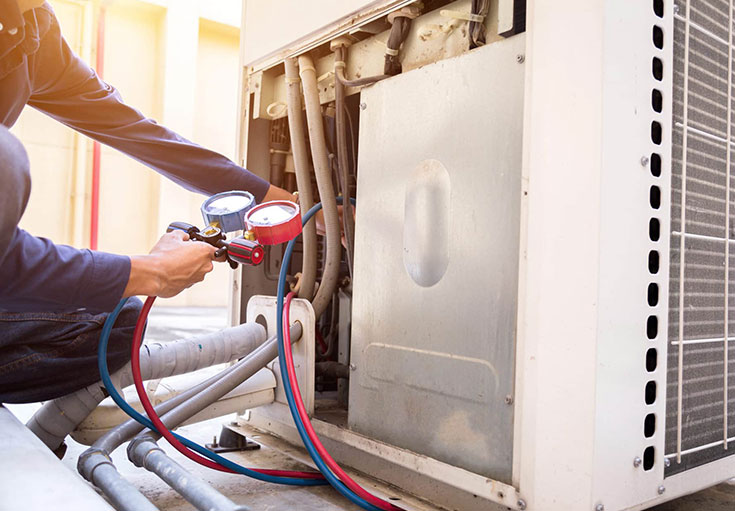
If you have ever dealt with an unexpected HVAC breakdown, you already know how quickly comfort can turn into frustration. One day everything is working perfectly, and the next, your system is struggling to keep up or stops altogether. The reality is that most of these issues do not happen overnight. They build up over time due to wear, dirt, and small problems that go unnoticed.
That is where a well-planned HVAC maintenance checklist comes in. Regular maintenance is not just about preventing breakdowns. It is about improving efficiency, extending the life of your system, and ensuring your home stays comfortable year-round.
As a team that services HVAC systems every day, we have seen firsthand how much of a difference routine care can make. Let’s walk through what should be included in a proper HVAC maintenance checklist and why each step matters.
Your HVAC system is one of the hardest-working components in your home. It runs through extreme temperatures, cycles on and off constantly, and relies on multiple parts working together seamlessly.
Without regular maintenance, you may experience:
Following a structured HVAC maintenance checklist helps catch small issues early and keeps your system running as efficiently as possible.
One of the simplest yet most important steps on any HVAC maintenance checklist is checking the air filter.
A dirty air filter restricts airflow, forcing your system to work harder. This can lead to:
If you have pets or allergies, you may need to replace filters more frequently.
Your thermostat controls how your system operates, so it needs to be accurate and responsive.
An inaccurate thermostat can cause your system to run longer than necessary or not enough, leading to discomfort and wasted energy.
Airflow throughout your home depends on clean and unobstructed vents.
Blocked or dirty vents can lead to uneven temperatures and strain on your system.
Your duct system carries air throughout your home, and any issues can affect performance.
While a full duct inspection may require professional help, you can:
Professional sealing and inspection may be needed for larger issues.
Your outdoor condenser unit plays a major role in cooling your home.
Restricted airflow around the outdoor unit can reduce efficiency and cause overheating.
Refrigerant is essential for cooling your home. If levels are low, your system cannot function properly.
Refrigerant checks and refills should always be handled by a professional, as they require specialized tools and expertise.
Your HVAC system relies on multiple electrical parts to operate safely and efficiently.
Electrical issues can lead to system failure or even safety hazards if not addressed.
Both the evaporator and condenser coils play a critical role in heat transfer.
Dirty coils reduce your system’s ability to cool or heat effectively.
Clean coils improve efficiency and help prevent system strain.
Your HVAC system removes moisture from the air, and that moisture needs somewhere to go.
Clogged drain lines can lead to water damage and increased humidity levels inside your home.
A key part of any HVAC maintenance checklist is simply observing how the system operates.
Changes in performance often signal underlying issues that need attention.
Your HVAC system works differently depending on the time of year, so maintenance should be adjusted accordingly.
Seasonal preparation helps your system handle increased demand.
While many items on an HVAC maintenance checklist can be handled by homeowners, some tasks require professional expertise.
Professional maintenance helps ensure nothing is overlooked and that your system is operating at peak performance.
Even with the best intentions, it is easy to overlook important aspects of maintenance.
Avoid these common mistakes:
Staying consistent with your HVAC maintenance checklist helps prevent these issues from becoming bigger problems.
What is an HVAC maintenance checklist?
An HVAC maintenance checklist is a step-by-step list of tasks used to inspect, clean, and maintain your heating and cooling system. It helps ensure your system runs efficiently, prevents breakdowns, and extends its lifespan.
Why is regular HVAC maintenance important?
Regular HVAC maintenance improves energy efficiency, reduces repair costs, prevents unexpected breakdowns, and helps maintain consistent indoor comfort throughout the year.
How often should HVAC maintenance be performed?
Basic maintenance tasks like checking filters should be done monthly, while a full system inspection should be completed at least once or twice a year, typically before summer and winter seasons.
What is the most important part of HVAC maintenance?
Changing or cleaning the air filter is one of the most important steps. A dirty filter restricts airflow, reduces efficiency, and can lead to system strain and higher energy bills.
Can I perform HVAC maintenance myself?
Yes, homeowners can handle basic tasks like replacing filters, cleaning vents, and clearing debris around the outdoor unit. However, more complex tasks like refrigerant checks and electrical inspections should be handled by professionals.
How do I know if my HVAC system needs maintenance?
Common signs include uneven temperatures, weak airflow, unusual noises, higher energy bills, or the system running longer than usual.
What happens if I skip HVAC maintenance?
Skipping maintenance can lead to reduced efficiency, higher energy costs, increased wear on components, and a higher risk of system failure or costly repairs.
How often should I replace my HVAC air filter?
Air filters should typically be replaced every 1 to 3 months, depending on usage, pets, and indoor air quality needs.
Why is my HVAC system not cooling or heating evenly?
Uneven temperatures are often caused by blocked vents, dirty filters, ductwork leaks, or airflow restrictions within the system.
What does HVAC preventive maintenance include?
Preventive maintenance includes:
Should HVAC maintenance be done before summer or winter?
Yes, seasonal maintenance is critical. Cooling systems should be checked before summer, and heating systems should be inspected before winter to ensure peak performance during high-demand periods.
How do dirty coils affect HVAC performance?
Dirty coils reduce the system’s ability to transfer heat, which decreases efficiency, increases energy usage, and can lead to system strain or freezing issues.
Can clogged drain lines cause HVAC problems?
Yes, clogged drain lines can lead to water leaks, increased humidity, and potential water damage inside your home.
How long does an HVAC system last with proper maintenance?
With consistent maintenance, most HVAC systems can last 10 to 15 years or longer, depending on usage and system quality.
When should I call a professional for HVAC maintenance?
You should call a professional if you notice performance issues, suspect refrigerant problems, hear unusual noises, or want a full system inspection to ensure everything is operating safely and efficiently.
Your HVAC system is an essential part of your home’s comfort, and taking care of it does not have to be complicated. By following a comprehensive HVAC maintenance checklist, you can keep your system running efficiently, reduce the risk of unexpected breakdowns, and extend its lifespan. Small, consistent steps like changing filters, checking airflow, and scheduling professional inspections go a long way in maintaining a reliable system.
At Right Away Plumbing and HVAC, we understand how important it is to keep your home comfortable in every season. Our team brings hands-on experience, responsive service, and a commitment to doing the job right. Whether you need routine maintenance, system diagnostics, or repairs, we are here to help you stay ahead of potential issues and keep everything running smoothly.
If you are ready to take the guesswork out of HVAC maintenance or want a professional to handle it for you, visithttps://myrightaway.com/ to schedule service or learn more about our HVAC solutions. Let’s make sure your system is prepared to perform when you need it most.