2093 Rand Road, Des Plaines, IL 60016
E-mail us: info@myrightaway.com
24 Hour Service - 7 Days a Week

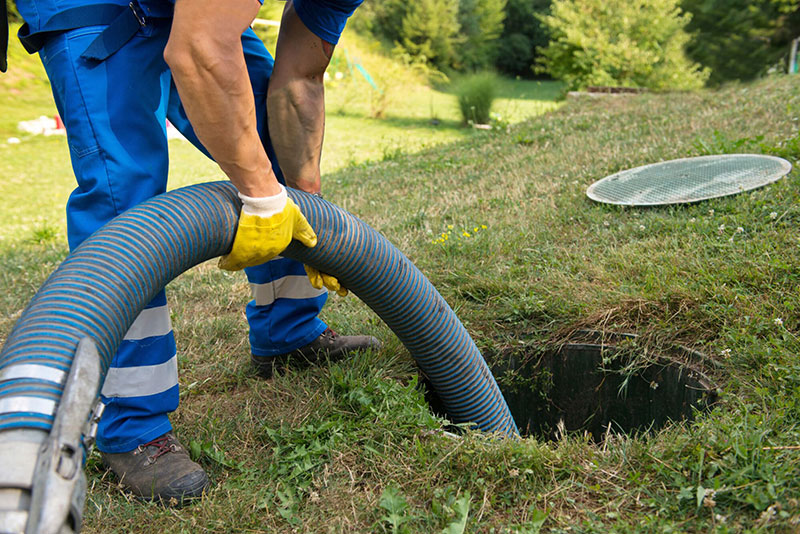
A sewer line failure is one of the most disruptive plumbing problems a homeowner can face. When underground pipes weaken or break, sewage can back up into your home, damage landscaping, and lead to costly emergency repairs. Understanding sewer line collapse signs early can help you address issues before they become catastrophic.
Sewer lines rarely collapse without giving homeowners some form of advance warning. Unfortunately, many signs are subtle and easy to dismiss, leading to more extensive damage by the time professionals are called. Paying attention to how your plumbing system behaves can save you thousands in repairs.
Several early indicators can signal that your sewer line is under stress, deteriorating, or at risk of collapse. While these issues may seem minor at first, they often point to deeper structural problems underground.
Slow Drains Throughout the Home: A single slow drain often means a clog, but when multiple fixtures drain slowly at the same time, it suggests a blockage or pipe damage deeper in the main sewer line. Homeowners sometimes try chemical cleaners or snake tools, but these solutions only treat surface-level issues and may even worsen fragile pipes.
Persistent Gurgling Sounds: When air cannot flow properly through the sewer line due to blockages or cracks, gurgling noises occur in sinks, showers, or toilets. This sound signals ventilation problems inside the sewer system and should never be ignored.
Frequent Toilet Backups: Toilets are the first fixtures to show stress when a sewer line is weakening. If your toilet backs up without an obvious cause, the problem may be developing underground, especially if plunging provides only temporary relief.
Unpleasant Odors Indoors or Outdoors: Sewer gases escaping from cracks, loose joints, or collapsed pipe sections often create foul smells around drains or in the yard. Even faint odors can indicate a breach that needs professional inspection.
Sudden Patches of Extra Green Grass: A collapsed or cracked sewer line can leak wastewater into the soil, which acts as fertilizer. If certain areas of your lawn appear unusually lush or green, underground leakage may be the cause.
Sinkholes or Soft, Sunken Ground: When soil shifts after a sewer line breaks, it can create soft spots in your yard, depressions, or even small sinkholes. This is a major warning sign that the pipe may have collapsed or is extremely close to failure.
If you notice any of these indicators, it is important to schedule a camera inspection before the problem progresses. Early action can significantly reduce repair costs and prevent health hazards.
A sewer line can collapse for several reasons, and often multiple factors work together over many years before the pipe finally gives way. Below are the primary causes that homeowners should understand to better protect their property.
Underground pipes rely on stable soil and an intact pipe structure to remain functional. When soil conditions or nearby landscaping change, sewer lines can undergo intense pressure.
Tree Root Intrusion: Tree roots naturally seek out moisture and nutrients. Sewer lines offer both, making them a magnet for root systems. Small cracks in the pipe release vapor that attracts nearby roots. Once inside, the roots expand, apply pressure from within, and eventually cause the pipe to break or collapse completely.
Ground Movement and Soil Erosion: Soil shifts occur for many reasons, including groundwater fluctuations, seasonal freeze and thaw cycles, and nearby construction. When soil expands or contracts, it pushes against sewer pipes. Over time, this pressure weakens the structure of the pipe, especially if the pipe material is aging or already compromised.
Heavy Surface Loads: Vehicles parked over sewer lines, large construction equipment, or improperly supported patios can cause the soil to compact. When the soil compresses, it places pressure on buried pipes, which may crack or collapse under the weight.
Aging or Corroded Pipes: Older homes may have sewer lines made from clay, cast iron, or Orangeburg fiber conduit. These materials deteriorate faster than modern PVC piping. Clay pipes can crack easily, cast iron corrodes over time, and Orangeburg pipes, made from tar paper, can deform or disintegrate under pressure.
Improper Installation: Sewer lines must maintain proper slope, secure connections, and appropriate backfill methods. Poor installation allows weak points to form along the pipe, making collapse more likely.
Blockages That Add Pressure: A severe blockage caused by grease buildup, flushed non-degradable items, or foreign objects can prevent wastewater from flowing properly. When pressure builds behind the clog, it can strain fragile pipes until they break.
Extreme Temperature Changes: Rapid temperature fluctuations cause soil expansion and contraction. This ongoing movement stresses underground pipes, especially older ones. Over years of exposure, cracks form, joints weaken, and collapse eventually occurs.
Sewer lines often fail because homeowners cannot easily see what is happening underground. However, with routine inspections and awareness of warning signs, many collapses can be prevented.
Once a sewer line collapses, the repair process depends on the severity of damage, pipe material, and accessibility. Not all solutions require excavation, but collapsed sections often demand more extensive intervention. The following methods are commonly recommended by professional plumbers.
Traditional Sewer Line Excavation: When a pipe has completely collapsed or disintegrated, excavation is often required. This method involves digging a trench to remove and replace the damaged section. While more disruptive, it provides long-term reliability and is typically necessary when the pipe cannot support trenchless repair methods.
Trenchless Pipe Lining (Cured In Place Pipe): If the pipe has cracks but remains structurally intact and not fully collapsed, a trenchless pipe lining system may be suitable. A flexible epoxy-soaked liner is inserted into the pipe, then expanded to create a strong, seamless inner layer. This method preserves landscaping and requires only small access points.
Trenchless Pipe Bursting: Pipe bursting is used when a pipe is too damaged for lining but still passable enough for cable insertion. A bursting head is pulled through the old pipe, breaking it apart while simultaneously positioning a new pipe in its place. This method avoids major digging and is ideal for long pipe replacements.
Spot Repairs: Limited damage can sometimes be addressed through localized excavation to repair or replace a short section of pipe. This is more affordable but only works when inspections show that the rest of the sewer line is still in good condition.
Hydro Jetting for Pre-Collapse Blockages: If a line has not yet collapsed but shows signs of severe blockage, hydro jetting can remove debris, roots, and buildup. This restores flow and may prevent further strain on the pipe.
Camera Inspections to Guide Repairs: Professional plumbers use sewer cameras to identify the exact location and type of damage. This allows for targeted repairs and ensures that the right method is used to achieve a long-lasting fix.
A sewer line collapse is not a DIY problem. You should contact a plumbing specialist as soon as you notice persistent clogs, unexplained odors, water pooling in your yard, or any of the earlier warning signs. Professional plumbers have the tools, training, and equipment needed to diagnose the issue accurately and provide effective solutions before additional structural or health-related risks arise.
Ignoring symptoms can allow the problem to escalate, leading to sewage backups, mold growth, foundation damage, and higher repair costs. A licensed technician can perform a thorough assessment, explain your repair options, and help you choose the best solution for your home.
If you suspect your sewer line may be damaged or want to schedule a preventive inspection, trust the experts at Right Away Plumbing. You deserve a skilled and dependable team that can install or repair any plumbing or HVAC system with precision. At Right Away Plumbing, we guarantee exceptional customer service 24 hours a day for all your plumbing needs. Our technicians proudly serve the greater Chicago area with honest, affordable, and reliable services, from trenchless pipe repair to tankless water heater installation. Whether you need help with a sump pump, a clogged sewer line, or a new toilet installation, our team will handle the job with care and expertise. We provide prompt and efficient service, including 24/7 emergency repairs, to get your home running smoothly as quickly as possible. Contact us today and experience the personalized service you deserve.