2093 Rand Road, Des Plaines, IL 60016
E-mail us: info@myrightaway.com
24 Hour Service - 7 Days a Week

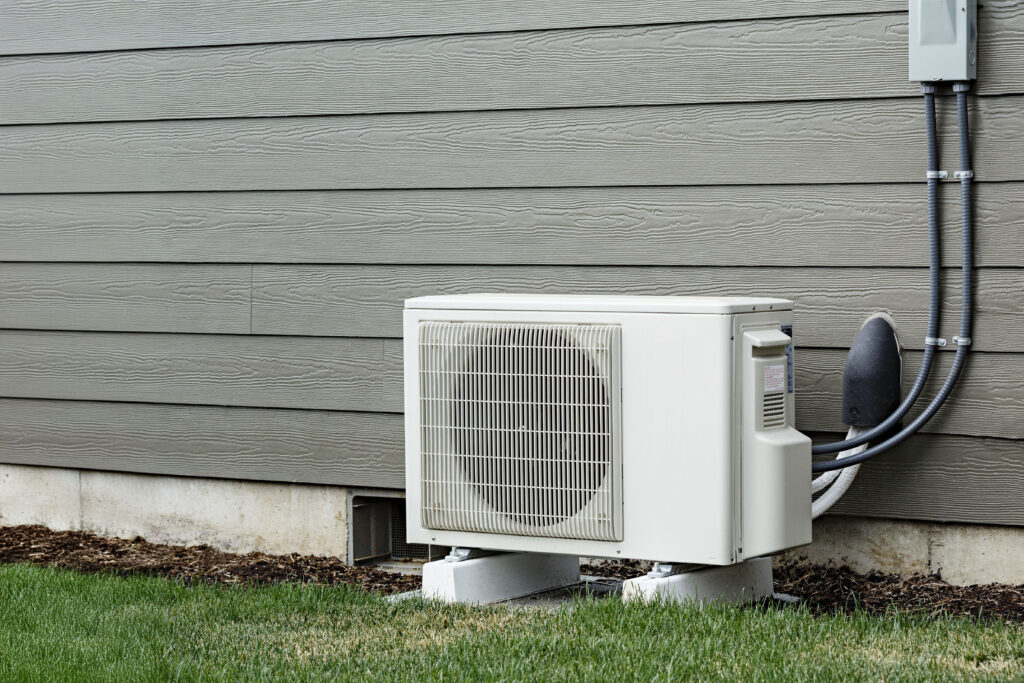
Installing a ductless mini split system is one of the most efficient ways to heat and cool your home. Whether you’re adding comfort to a new addition, updating an older property, or replacing a worn-out HVAC system, understanding the factors behind mini split installation cost is essential for planning your budget.
The total cost depends on multiple elements, including unit count, line set length, electrical upgrades, and mounting complexity.
A mini split system includes an outdoor compressor and one or more indoor air-handling units. Installation costs can vary widely depending on the type of system, your home layout, and installation requirements. On average, homeowners can expect to pay between $3,000 and $10,000 for a full installation. Let’s explore the primary elements that influence pricing.
The number of indoor air handlers has the greatest impact on cost. Each zone in your home that requires heating and cooling needs its own air handler.
A single-zone mini split system, designed to serve one room or area, typically costs less to install than a multi-zone system that covers several rooms. Every additional indoor unit requires more refrigerant lines, electrical connections, and mounting labor.
Adding a second or third indoor unit could raise your installation cost by $1,000 to $2,000 per zone, depending on the layout and complexity.
Systems with higher SEER (Seasonal Energy Efficiency Ratio) and HSPF (Heating Seasonal Performance Factor) ratings generally cost more upfront but provide better long-term energy savings. Premium models with inverter technology or advanced filtration systems come at a higher price, but they deliver quieter performance and superior comfort.
Labor rates vary by region, and urban areas like Chicago tend to have higher installation costs compared to smaller towns. Accessibility also matters. If the refrigerant lines must pass through thick walls, multiple floors, or require special brackets, the labor cost can increase significantly.
One often-overlooked factor in mini split installation cost is the refrigerant line set length.
The line set connects your indoor and outdoor units and carries refrigerant, power, and condensate between them. Standard installations include up to 15 feet of line set per indoor unit. If your home requires longer runs, for example, if the outdoor condenser must be placed farther away, the extra materials and labor can add $25 to $50 per additional foot.
Proper outdoor unit placement also affects pricing. Mounting the condenser on a roof, balcony, or elevated pad may require extra supports or structural modifications. Multi-story homes often need specialized routing through walls or ceilings, which increases labor time and complexity.
Choosing between single-zone and multi-zone systems is one of the first decisions you’ll face, and it directly influences installation cost.
A single-zone system includes one indoor and one outdoor unit. It’s ideal for smaller spaces like a single room, garage, basement, or office.
Installation for a single-zone setup typically ranges from $2,500 to $5,000, depending on the brand, capacity, and line set length. Because the wiring, line set, and labor are contained in one area, the cost remains relatively modest.
Multi-zone systems can serve two to eight zones using one outdoor compressor, making them perfect for whole-home comfort. However, each added indoor unit increases the project cost.
Each additional air handler involves refrigerant lines, condensate drains, and electrical connections, all of which add labor and material expenses.
Multi-zone systems also require detailed load calculations to ensure efficient performance. The outdoor unit must be powerful enough to handle multiple indoor heads, which often increases the equipment price as well.
The style of your indoor air handler can significantly influence installation cost.
Wall-mounted units are the most common and affordable. They’re easy to install and maintain, making them ideal for most residential setups. These are typically included in standard installation estimates.
Ceiling cassette units, however, offer a more discreet look, mounting flush with the ceiling. They require more complex installation, including cutting into ceiling joists, reinforcing structural supports, and routing refrigerant lines through attic or crawl spaces. Expect to pay $500 to $1,000 more per unit for ceiling cassette installation compared to wall-mounted options.
Floor-mounted and recessed ducted air handlers are also available, but tend to cost more due to increased labor and materials.
Electrical and structural requirements are critical but often overlooked when budgeting for mini split installation cost. A modern system needs a dedicated power source, safe wiring, and sometimes a panel upgrade.
Mini split systems typically run on 240 volts and require a dedicated circuit. If your electrical panel lacks open breaker slots or sufficient capacity, you may need an upgrade.
Each indoor unit also requires a low-voltage communication line to the outdoor condenser. If installers must route cables through finished walls or ceilings, labor costs rise.
Outdoor units also require weatherproof disconnect switches and conduit protection, especially where local building codes demand extra safety measures. These can add both material and labor fees.
Always ensure your electrical work is done by a licensed professional to comply with code and maintain equipment warranties.
Mounting options also impact installation costs.
Wall-mounted units need secure studs or brackets, while outdoor condensers usually sit on a level concrete pad or raised stand. In some cases, installers must pour a new pad or reinforce the existing one for stability.
Ceiling cassette systems may require additional framing between joists to support the unit’s weight.
Every indoor unit produces condensate during cooling. If gravity drainage isn’t possible, your installer may need to install a condensate pump, which adds $200 to $500 to the project. Proper drainage prevents leaks, water damage, and mold issues, ensuring your system operates safely and efficiently.
When weighing your HVAC options, it’s helpful to compare the mini split installation cost to traditional central HVAC systems.
A typical central air system costs between $6,000 and $12,000 to install. If your home lacks existing ductwork, expect an additional $2,000 to $5,000 for new ducts.
Central systems are effective for whole-home comfort, but they cool and heat every room equally, even unoccupied ones, leading to potential energy waste.
Mini splits eliminate the need for ducts, making them ideal for older homes, additions, or retrofits. Although the upfront cost per zone is higher, mini splits offer superior energy efficiency and temperature control.
They allow you to heat or cool only the rooms you’re using, reducing energy bills over time.
Mini splits typically have higher SEER ratings than central systems, often ranging from 18 to 30+. Their zoned climate control means less energy waste, improved comfort, and lower monthly utility costs.
While a central HVAC system may have a lower upfront cost in ducted homes, mini splits frequently deliver better lifetime savings due to efficiency and targeted operation.
By understanding what determines mini split installation cost, you can make better decisions for your budget and comfort goals. The key factors include:
Always request detailed quotes from licensed HVAC professionals and ask for itemized pricing that includes equipment, labor, electrical work, and any potential add-ons.
When it’s time to upgrade your home comfort, trust Right Away Plumbing to handle your project with precision and care.
You deserve to have a handy team of plumbers and HVAC experts who can install or repair any system you need. At Right Away Plumbing, we guarantee excellent customer service 24/7 for all your plumbing and HVAC needs.
Our technicians serve the greater Chicago area with honest, reliable, and affordable services, from pipe repair to tankless water heater installation. We pay attention to the details and provide the personalized service you deserve.
Whether you’re dealing with a sump pump issue, need a new toilet installed, or want a mini split system professionally mounted, we can handle it with skill and professionalism.
We promise prompt, efficient service, including 24/7 emergency assistance, so your home runs smoothly again.
Contact us today to schedule your mini split installation or plumbing service. Experience the peace of mind that comes from working with Chicago’s most dependable HVAC and plumbing experts: Right Away Plumbing.