2093 Rand Road, Des Plaines, IL 60016
E-mail us: info@myrightaway.com
24 Hour Service - 7 Days a Week

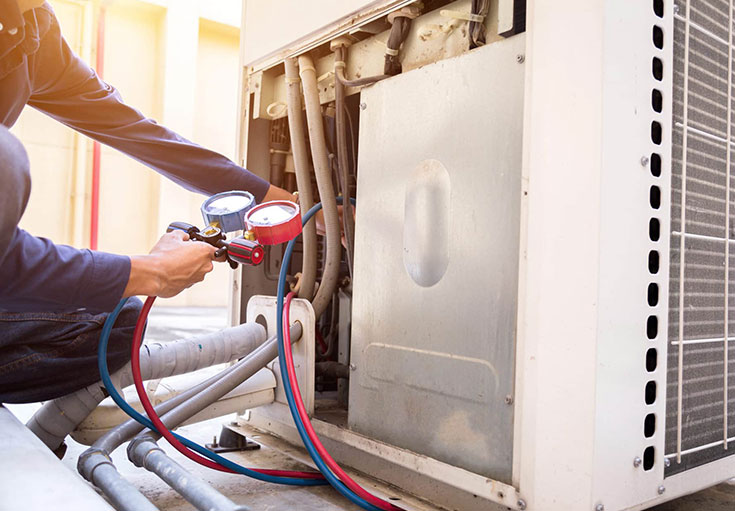
Managing a commercial property means maintaining complex systems that keep the building comfortable, safe, and efficient. One of the most important systems is the heating, ventilation, and air conditioning (HVAC) system. Unlike residential units, these setups are much larger and more intricate, serving entire office buildings, warehouses, retail spaces, and industrial facilities. Commercial HVAC repair involves more than simply changing filters or topping off refrigerant. It requires skilled technicians who understand how to service rooftop units, chillers, ductwork, and control systems. This blog will explore what commercial HVAC repair includes, the difference between routine maintenance and emergency repairs, and how specialized diagnostics help ensure optimal system performance.
Commercial HVAC repair services encompass a wide range of system components designed to regulate air temperature, humidity, and quality across expansive spaces. While specific tasks vary based on system design and building requirements, most commercial HVAC systems include rooftop units, air handlers, chillers, boilers, and extensive duct networks. The goal of repair services is to ensure that all these components operate in sync to provide consistent indoor comfort while keeping energy costs manageable.
Rooftop units (RTUs) are the backbone of many commercial HVAC systems. They handle both heating and cooling functions and often serve multiple zones within a building. Over time, mechanical components like belts and motors can wear down from constant operation. A technician performing commercial HVAC repair will inspect these components regularly, looking for signs of cracking, fraying, or misalignment in the belts. When belts loosen or break, airflow efficiency drops dramatically, straining the system and increasing energy consumption. Likewise, motor bearings can fail due to age or lack of lubrication, resulting in noisy operation or complete motor failure. Replacing worn belts and motors promptly helps prevent costly system downtime and ensures continuous, reliable performance.
Beyond replacement, technicians also check for proper belt tension, verify motor amperage draws, and calibrate blower speeds to meet manufacturer specifications. Keeping these components in good condition reduces wear on the entire system and contributes to smoother, quieter operation.
Chillers are commonly used in large buildings where traditional split systems aren’t sufficient to handle cooling loads. These systems circulate refrigerant through coils to absorb and remove heat, making refrigerant charge and integrity critical to proper function. A refrigerant leak can cause temperature fluctuations, inefficient cooling, or even system failure. Detecting leaks in large chillers is a complex process that requires advanced tools and experience.
During a commercial HVAC repair service, technicians use electronic leak detectors, UV dyes, and pressure tests to pinpoint the source of leaks. Once located, the damaged sections of piping, seals, or valves are repaired or replaced. Technicians also verify that the refrigerant charge matches system requirements. Undercharging leads to poor cooling performance, while overcharging can increase compressor wear and energy usage. Additionally, because refrigerants are regulated by environmental standards, proper handling and disposal during repairs are essential. Certified HVAC professionals ensure all refrigerant-related work is done in compliance with EPA regulations.
Efficient airflow is the foundation of a well-functioning HVAC system. Even with perfectly working equipment, poorly maintained ductwork can reduce system efficiency by 20% or more. During commercial HVAC repair and maintenance visits, technicians inspect ducts for blockages, loose connections, leaks, and insulation failures. Dust, debris, or damaged ducts can cause uneven heating and cooling, making certain areas uncomfortable while overburdening the equipment.
Airflow balancing involves measuring air velocity and volume at various vents and registers throughout the building. Technicians use specialized tools like anemometers and manometers to assess performance and make necessary adjustments. Sealing duct leaks, cleaning buildup, and recalibrating dampers ensure even air distribution and maintain consistent temperatures across all zones. Regular ductwork inspection also helps improve indoor air quality by preventing contaminants from circulating through the system.
A well-planned maintenance schedule is the best way to avoid emergency breakdowns and extend the lifespan of commercial HVAC systems. However, even with proper upkeep, unexpected failures can occur. Understanding the distinction between routine maintenance and emergency repairs is key to managing both system performance and operational costs.
Scheduled Maintenance: Routine maintenance is proactive and preventive. It typically occurs quarterly, semi-annually, or annually, depending on the building’s usage and environmental conditions. Common maintenance tasks include cleaning coils, replacing filters, checking refrigerant levels, lubricating moving parts, tightening electrical connections, and calibrating thermostats or control systems. Maintenance visits also include detailed system inspections that help identify early warning signs of wear or inefficiency. Addressing these minor issues before they escalate helps avoid expensive repairs and unplanned downtime.
Emergency Repairs: Despite preventive efforts, emergencies can happen when systems experience mechanical or electrical failure. This can include compressor burnout, motor failure, thermostat malfunctions, or electrical short circuits. When such issues arise, emergency HVAC repair services provide rapid response to minimize disruptions. Technicians prioritize critical areas such as hospitals, restaurants, data centers, and manufacturing plants where HVAC downtime could result in safety risks or significant business losses.
An experienced commercial HVAC repair provider offers 24/7 emergency service to handle these situations. The ability to quickly diagnose and repair problems, often with on-hand replacement parts, ensures that operations can resume promptly with minimal impact.
Commercial HVAC systems rely heavily on advanced control technology and large-scale mechanical equipment that demand precision diagnostics. Specialized testing ensures optimal performance, identifies hidden inefficiencies, and helps verify that all components are synchronized for maximum reliability.
Technicians use digital tools and software to perform in-depth diagnostics, including airflow analysis, pressure testing, thermal imaging, and energy consumption monitoring. These methods not only detect existing faults but also reveal potential system optimizations that can reduce energy costs and improve comfort.
System Performance Testing: Modern HVAC systems often feature variable frequency drives (VFDs), programmable thermostats, and building automation systems (BAS). Technicians evaluate these controls to confirm proper communication between components, ensuring the system responds appropriately to load demands. Testing also includes verifying temperature differentials, measuring voltage and amperage, and checking compressor operation cycles.
Thermal Imaging and Electrical Diagnostics: Infrared thermal cameras detect temperature variations across coils, electrical panels, and motors. These scans reveal hot spots that could indicate issues such as poor insulation, electrical resistance, or airflow obstructions. Electrical diagnostics ensure that wiring, capacitors, and contactors are in good condition and not contributing to system inefficiencies or hazards.
Vibration and Noise Analysis: For large facilities with mechanical rooms or rooftop units, vibration testing helps detect early signs of bearing wear or misaligned fan assemblies. Excessive vibration often precedes mechanical failure, so identifying it early allows for preventive action that avoids costly equipment replacement.
In-depth diagnostics often identify subtle issues within rooftop units that standard visual inspections might miss. Vibration sensors and motor analyzers can measure motor health and performance efficiency, while airflow sensors ensure balanced delivery to all building zones. When repairs are necessary, technicians replace or upgrade components with precision, ensuring proper alignment and calibration to maintain energy efficiency.
In addition to visual and electronic leak detection, advanced diagnostic systems can monitor refrigerant charge levels remotely. Building automation software alerts technicians when refrigerant pressures deviate from normal ranges, allowing prompt response before a full system failure occurs. These monitoring systems are invaluable in high-demand environments like hospitals or data centers where cooling consistency is critical.
Advanced duct diagnostics use airflow modeling and pressure mapping to create a complete picture of system performance. This allows technicians to correct design flaws or aging duct issues that might be compromising efficiency. Even minor ductwork imbalances can increase energy use, so proper calibration and sealing are crucial for maintaining consistent building comfort.
Commercial HVAC repair should always be handled by licensed professionals who specialize in large-scale systems. Choosing a reputable company ensures that technicians are trained in complex diagnostics, safety standards, and industry best practices. They bring the necessary experience to service all brands and models of commercial HVAC equipment while minimizing disruption to your operations.
A reliable service provider also offers maintenance agreements that include scheduled inspections, priority emergency service, and detailed reporting on system condition and performance. This transparency helps building managers budget for repairs and replacements while ensuring compliance with local regulations and warranty requirements.
Regular communication between the service provider and facility management team allows for proactive adjustments that maintain system efficiency and occupant comfort throughout the year.
Your commercial building deserves expert attention from professionals who understand the intricacies of large-scale HVAC systems. If you’re searching for trusted and affordable commercial HVAC repair in the greater Chicago area, contact us to schedule your service today.
You deserve to have a handy team of plumbers and HVAC experts who can install or repair any plumbing and HVAC system you need. At Right Away Plumbing, we guarantee excellent customer service 24/7 for all of your plumbing needs. Our technicians serve the greater Chicago area with honest, reliable, and affordable services, from pipe repair to tankless water heater installation. Let our team pay attention to the details and provide you with the personalized service you deserve. Whether you’re experiencing issues with your sump pump or need a new toilet installed, we can handle the matter with professionalism and skill. We promise prompt and efficient service, including 24/7 emergency assistance. Our goal is to resolve all of your issues and get your home or business back to running smoothly.