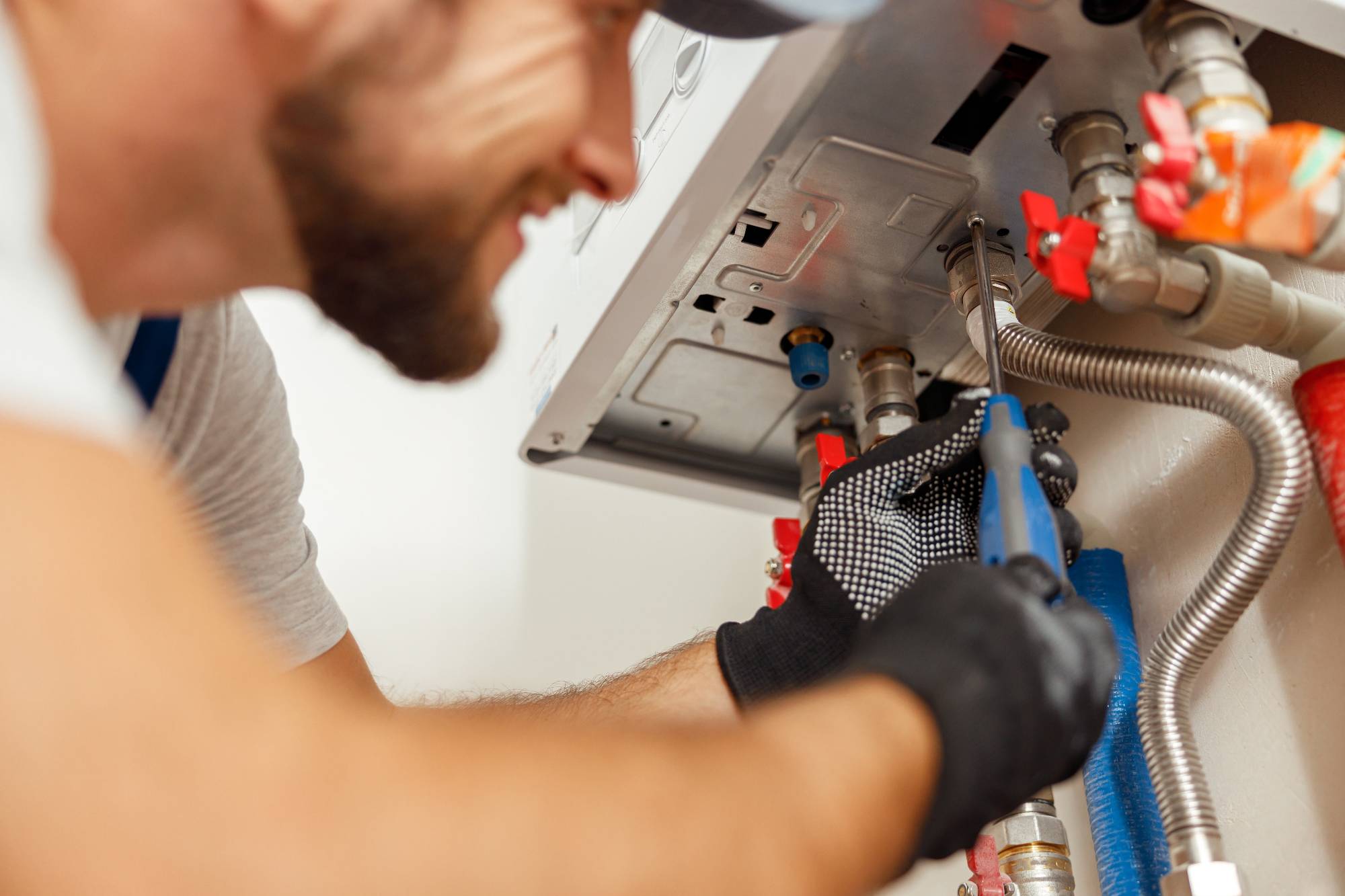
Boiler installation in Chicago homes is an essential process that ensures residents stay warm and comfortable during the city’s notoriously harsh winters. Given Chicago’s freezing temperatures, snow-laden days, and constant need for reliable heating, installing a boiler system isn’t just a convenience—it’s a necessity. From selecting the right boiler to ensuring it complies with city-specific codes and standards, professional installation is crucial.
Below, we’ll walk you through everything involved in the process—from the initial assessment to safety compliance—to help you understand how professionals carry out boiler installation in Chicago.
Initial Assessment for Boiler Installation Projects in Chicago
Before any wrenches are turned or copper pipes soldered, Chicago HVAC professionals begin every boiler installation with a comprehensive in-home assessment. This ensures the new system will be appropriately sized, safely installed, and energy-efficient.
Choosing the Right Boiler Type and Capacity
Selecting the proper boiler system begins with evaluating your home’s size, insulation, layout, and existing infrastructure. In Chicago homes, you’ll typically see three common types of boilers:
- Combi Boilers: These compact systems provide hot water and heating in one unit—perfect for smaller homes or condos.
- System Boilers: These work with a separate cylinder for hot water storage but no tanks in the loft, making them ideal for medium-sized homes.
- Conventional Boilers: Also known as regular or heat-only boilers, these are best suited for larger homes with high hot water demand.
Professional installers in Chicago use a Manual J load calculation or similar methodology to determine the precise BTU (British Thermal Unit) capacity required for optimal efficiency. An undersized unit may struggle in winter, while an oversized unit can cause short cycling, increasing wear and tear.
Step-by-Step Boiler Installation Process in Chicago
Once the boiler system and capacity have been determined, the actual installation can begin. This process involves a sequence of critical steps that licensed professionals follow to ensure both performance and safety.
- System Disconnection and Removal
The existing boiler and associated piping are carefully disconnected and removed. Proper disposal is managed per local EPA and city waste regulations.
- Boiler Positioning and Mounting
Whether wall-mounted or floor-standing, the new boiler must be securely installed with ample clearance around it for maintenance and ventilation. Placement is critical, especially in tight urban spaces typical of Chicago basements.
- Connecting the Piping
New copper or PEX piping is connected to the boiler for central heating and hot water. Installers will ensure that flow and return pipes are correctly sized and that radiators are balanced for even heat distribution.
- Electrical Connections
A qualified electrician or HVAC technician connects the boiler to the home’s electrical panel, ensuring compatibility with thermostats, zone controls, and safety cut-offs.
- Control System Configuration
Smart thermostats, wireless zone controls, and timers are often added for energy efficiency. Technicians configure these systems to match the homeowners’ comfort preferences.
- Filling and Bleeding the System
The system is filled with water, and all air is bled from the radiators and piping. Air in the system can severely reduce efficiency and lead to corrosion over time.
- System Startup and Commissioning
Once connected and pressurized, the boiler is powered up. Technicians monitor its performance over several cycles, adjusting temperature settings, pump speeds, and safety valves as needed.
Safety and Compliance in Boiler Installation in Chicago
Chicago has stringent building codes and safety regulations that govern boiler installations. Failure to comply can result in fines, poor system performance, or dangerous malfunctions.
Venting and Flue Installation Requirements
One of the most vital safety considerations in boiler installation is proper venting. Boilers generate combustion gases—primarily carbon dioxide and water vapor, but potentially dangerous carbon monoxide if not vented correctly.
There are two main types of venting systems in Chicago:
- Direct Vent (Sealed Combustion): These pull air from outside and exhaust flue gases directly outdoors. Ideal for tight Chicago homes with little interior ventilation.
- Power Vent: These use an electric fan to expel gases through PVC or metal ductwork. They require strategic placement away from doors, windows, or HVAC intakes.
City codes dictate the size, slope, material, and termination location of flue pipes. Installers must ensure there are no obstructions or potential points for gas leaks.
Pressure Testing and Leak Inspections
After installation, the boiler system is subject to a series of pressure and leak tests. Here’s what’s involved:
- Hydrostatic Pressure Testing
The system is filled with water and pressurized beyond normal operating levels to check for any leaks or weaknesses in joints and valves.
- Gas Leak Detection
Professionals use electronic detectors and soap solutions to check for leaks in the gas supply line. Any leak, no matter how small, must be addressed immediately.
- Carbon Monoxide Testing
Combustion gases are analyzed using a combustion analyzer. This test ensures the boiler is burning fuel cleanly and safely, keeping CO emissions well within safe thresholds.
- Draft Testing
In homes with chimneys or flue stacks, draft testing ensures that exhaust gases are properly vented and that no back-drafting occurs—where gases re-enter the home.
Final Inspections and Paperwork
Before calling the job complete, installers in Chicago will conduct a final walkthrough with the homeowner, provide usage instructions, and offer maintenance advice.
They’ll also:
- File permits and approvals with the city
- Register the system warranty
- Provide documentation for the inspection department
Why Professional Installation Matters in Chicago
Chicago’s climate isn’t the only reason to go with a licensed and experienced boiler installer. City codes, gas utility regulations, and high-rise zoning rules can all impact how a boiler system is installed and maintained.
Hiring professionals ensures:
- Energy Efficiency: A properly sized and installed boiler can reduce energy costs by up to 30%.
- Long-Term Durability: Boilers installed to manufacturer and local standards last longer with fewer breakdowns.
- Home Safety: With combustion appliances, precision is non-negotiable—especially when it comes to gas and carbon monoxide.
- Insurance and Resale Compliance: Many insurance policies and property transfers in Chicago require professionally installed heating systems with supporting documentation.
Get Expert Boiler Installation with Right Away Plumbing
If you’re considering boiler installation in Chicago, look no further than Right Away Plumbing—your trusted experts for HVAC and plumbing solutions.
At Right Away Plumbing, we understand the importance of having a reliable heating system to keep your Chicago home comfortable through the bitter winters. Whether you’re replacing an old boiler or installing one in a new construction, our experienced team is ready to help.
We offer:
- Expert Advice on Boiler Type and Size
- Code-Compliant Venting and Safety Systems
- Precise Pressure Testing and CO Inspections
- Smart Thermostat Integration
- 24/7 Emergency Services
Our technicians provide honest, reliable, and affordable services across the greater Chicago area—from boiler installation to sump pump repair. We treat every home as if it were our own, paying attention to the details that matter.
You deserve a team that’s available when you need them most. That’s why we’re always ready to help—day or night.
Call us today to schedule your boiler installation.
Let us take care of your home’s heating and plumbing needs with professionalism, skill, and unbeatable customer service. Whether it’s a routine upgrade or an emergency call, we’re here to get your home back to running smoothly—Right Away!