
How a New AC System Can Cut Your Electric Bill by 30-50%
· 6 min read · Right Away Plumbing and HVAC
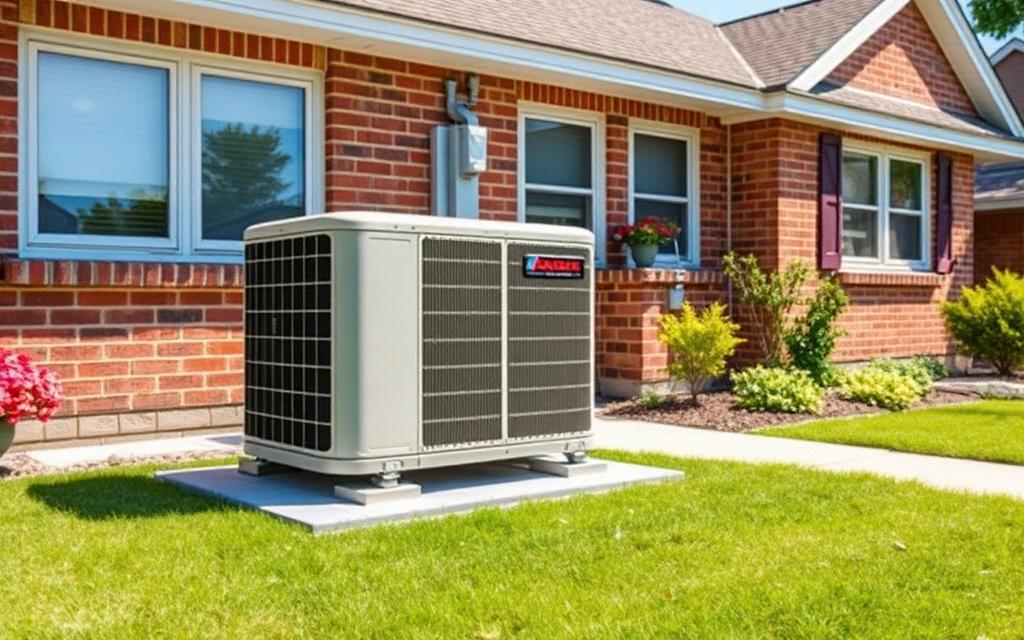
If your air conditioner is more than 10-15 years old, it's probably costing you a lot more to run than you realize. Older AC units lose efficiency every year, and once summer hits full swing in the northwest Chicago suburbs, that inefficiency shows up directly on your electric bill.
The good news: upgrading to a modern, high-efficiency AC system can cut your cooling costs by 30% to 50% in qualifying situations. Actual savings vary based on your existing equipment, the replacement system, your home's insulation and ductwork, climate, installation quality, maintenance, and how you use the system — so treat that range as a realistic possibility, not a promise. Here's where the savings come from, and how to know if it's the right move for your home.
Why Older AC Systems Waste So Much Electricity
Air conditioners are rated by SEER (Seasonal Energy Efficiency Ratio) — the higher the number, the more cooling you get per dollar of electricity. Many systems installed 10+ years ago run in the 8-10 SEER range. Today's standard systems start around 14-16 SEER (SEER2 under the newer test procedure), and high-efficiency models can reach 20+ SEER.
That difference compounds fast. An old, worn-down unit doesn't just run at outdated efficiency — it's also fighting:
- Worn compressors and motors that draw more power to do the same job
- Refrigerant leaks that force the system to run longer cycles
- Dirty coils and clogged filters that make the whole system work harder
- Duct leaks that lose cooled air before it ever reaches your living space
Where the 30-50% Savings Actually Comes From
No single upgrade does it alone — the savings come from several improvements stacking together:
1. Higher SEER rating
Moving from an 8-10 SEER unit to a 16+ SEER unit is often the single biggest jump in efficiency you can make.
2. Variable-speed compressors
Instead of blasting full power and shutting off, modern systems adjust output to match demand — using less electricity to maintain a steady temperature.
3. Smart thermostats
Paired with a new system, a smart thermostat trims runtime further by learning your schedule and adjusting automatically.
4. Properly sized equipment
An oversized or undersized unit wastes energy either way. A correctly sized system, installed correctly, runs less and cools better.
Signs It's Time to Replace Instead of Repair
If two or more of these sound familiar, a new system may pay for itself faster than you'd expect — through lower electric bills alone, before even counting fewer repair calls. Every home is different, so the honest next step is pricing both options rather than guessing.
- Your system is 12+ years old
- Your electric bills climb every summer, even with similar usage
- You're calling for AC repairs more than once a year
- Some rooms never seem to cool evenly
- Your system uses R-22 refrigerant (newly produced R-22 is no longer made or imported in the U.S., so recharges keep getting more expensive)
Get a Straight Answer for Your Home
Every house is different — size, insulation, ductwork, and usage all affect real-world savings. The best way to know what a new AC system would actually save you is a quick on-site evaluation.
Right Away Plumbing & HVAC serves Des Plaines and the surrounding northwest Chicago suburbs with honest cooling assessments and straightforward installation quotes — no upsell, no guesswork.
Read more about our AC repair and cooling services, including high-efficiency replacement options.
We provide cooling service across the area, including Des Plaines and every community on our service areas list.
For a deeper dive into the efficiency math, see our guide on how a high-efficiency AC may lower your electric bill.
Frequently asked questions
Will a new AC system really cut my electric bill by 30-50%?
It can in qualifying situations — typically when replacing a very old, low-SEER system with a properly sized high-efficiency unit. Actual savings vary with your equipment, ductwork, insulation, climate, installation quality, and usage, so no honest contractor will guarantee a specific number before evaluating your home.
How long does a central air conditioner usually last?
Most central air conditioners last 12-17 years with regular maintenance. Past that point, efficiency losses and repair frequency usually make replacement worth pricing.
Is it worth replacing an AC that still runs?
Often, yes — a running 15-year-old unit can cost significantly more to operate than a new one. If it also uses R-22 refrigerant or needs repairs more than once a year, replacement frequently wins on total cost.
Talk to Right Away
Want a straight answer on what a new system would save in your home? Call us for a free cooling evaluation — we will look at your actual equipment, ducts and usage before quoting anything.
You can read more about our plumbing services, check the communities we serve, or start with plumbing in Des Plaines and Park Ridge. Planning a remodel or weighing a big replacement? Our consulting service is built for that conversation.
For installation, repair, descaling or sizing on a tankless system, see our tankless water heater services page.
Call 847-550-3322