Straightforward answers to the questions we get most often from homeowners and property managers in Des Plaines and across Chicagoland. No sales pitch, just what we would tell you standing in your basement.
A sudden jump in your water, gas or electric bill usually means something in your home is wasting it. Here is what to check yourself, season by season, and when to call a pro.
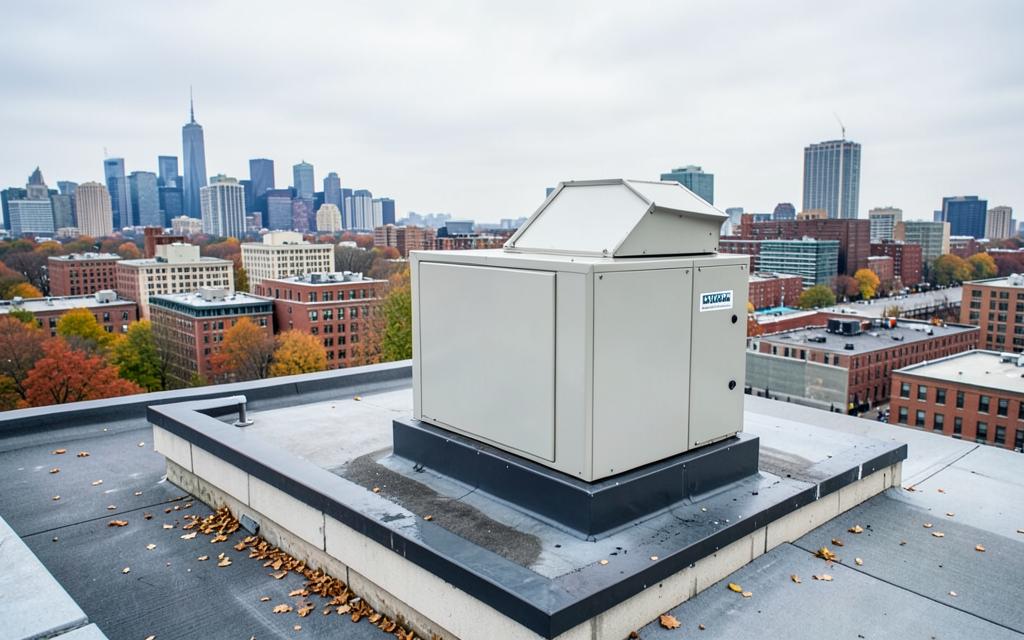
A good service call starts with a good report. Here is what Chicago building managers should document about rooftop units, zones and controls before the technician arrives.
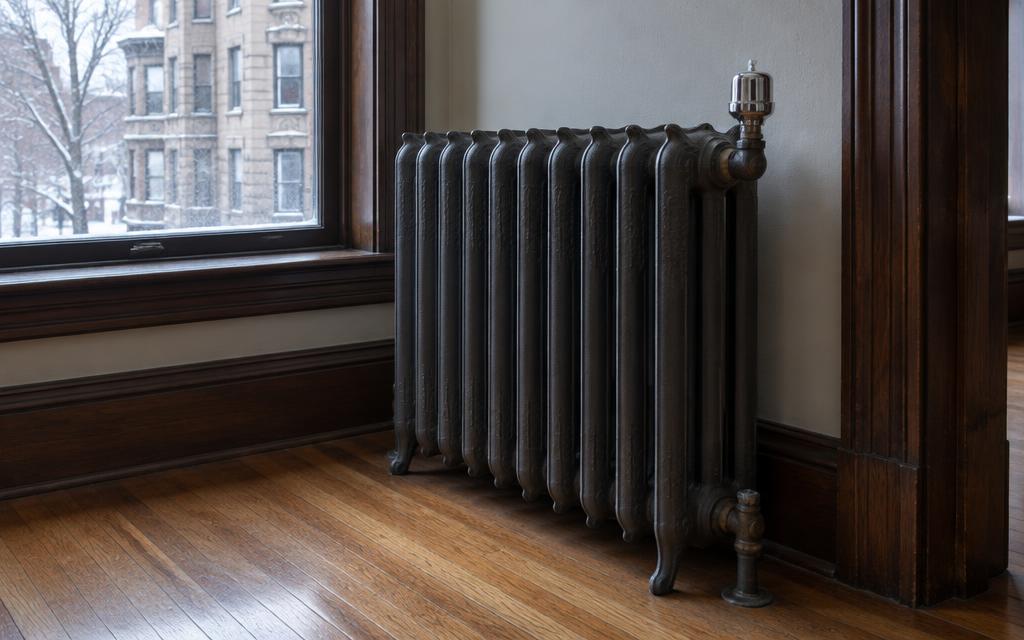
Courtyard buildings, greystones and two-flats in Hyde Park and Kenwood still run on steam. Here is how owners and associations can tell a fixable steam problem from a boiler at the end of its life.
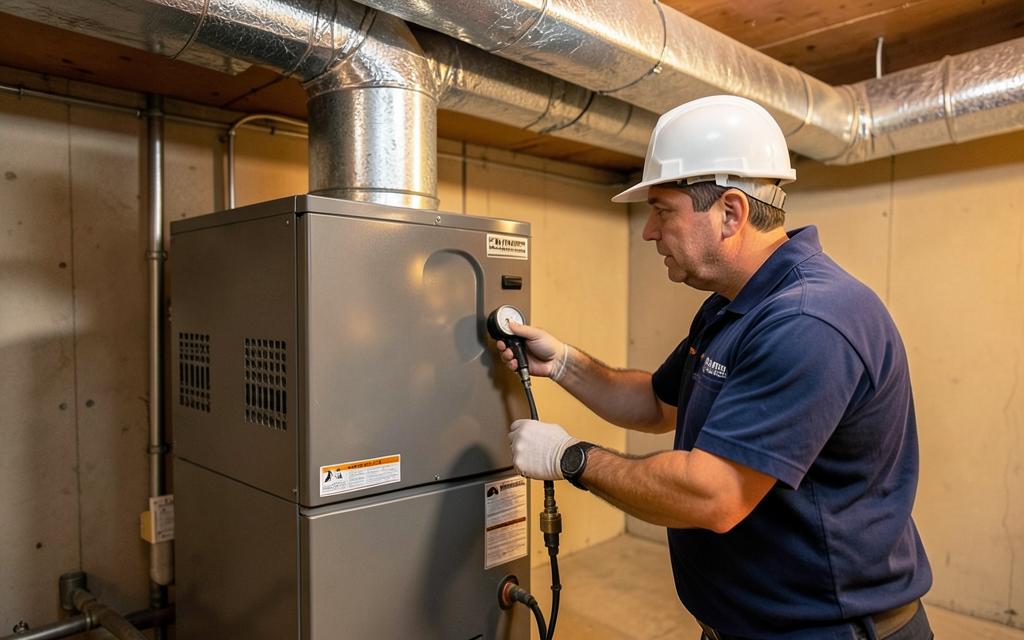
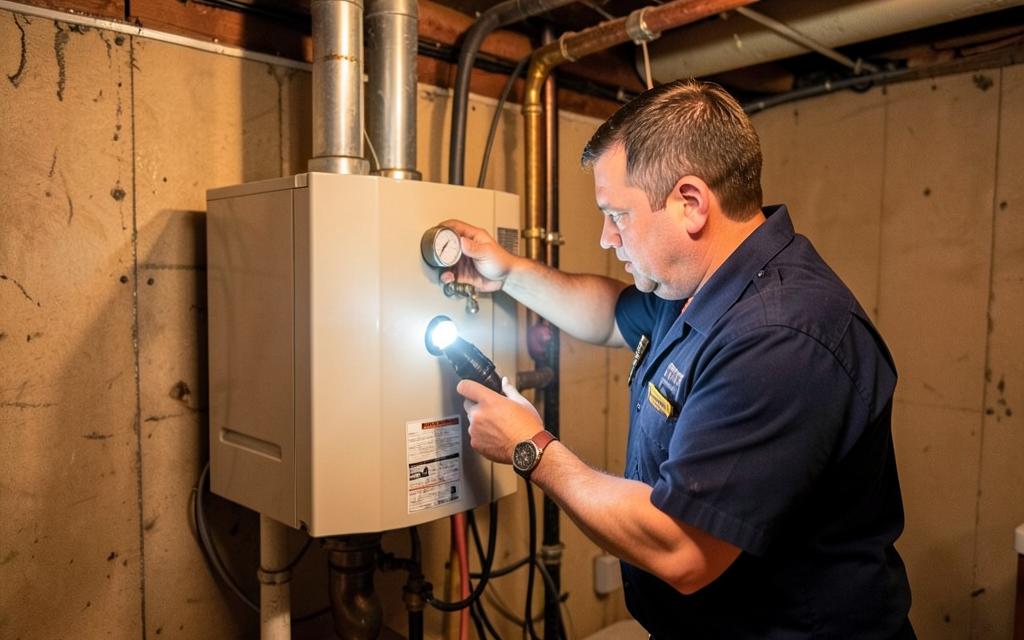
Before you call, a few safe checks can solve the problem or save time on the repair. Here is what to look at on a boiler or furnace, and the warning signs that mean you should call right away.
A home inspection covers the whole house. A plumbing and HVAC inspection goes deeper on the systems that cause the most expensive surprises. Here is what we check and why it matters.
Stack locations, water service size, flue routes and duct space are cheap to change on paper and expensive in the field. Here is what to review with your plumbing and HVAC contractor before you build.
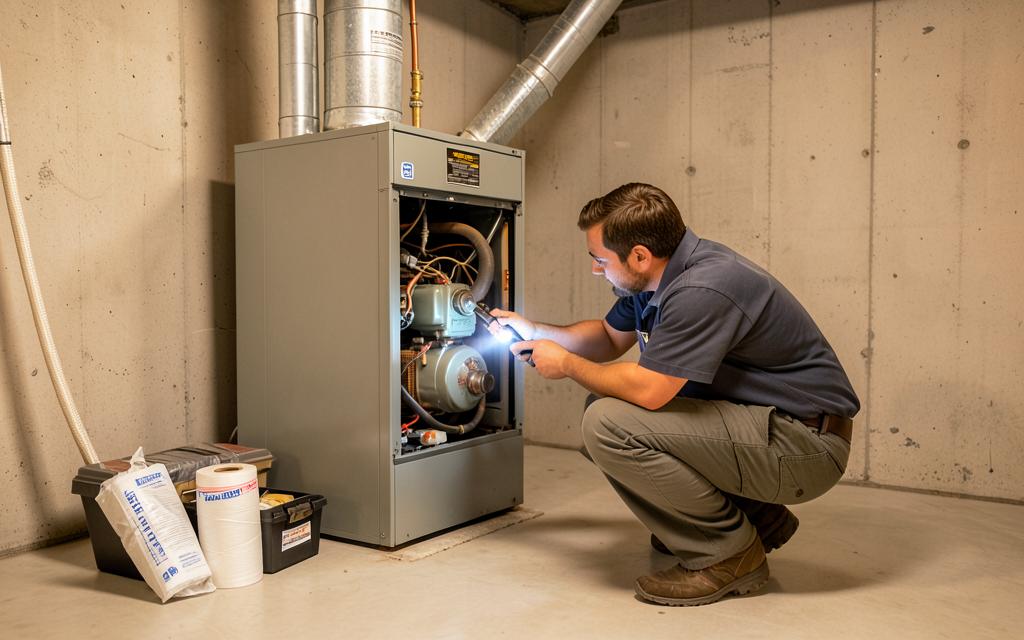
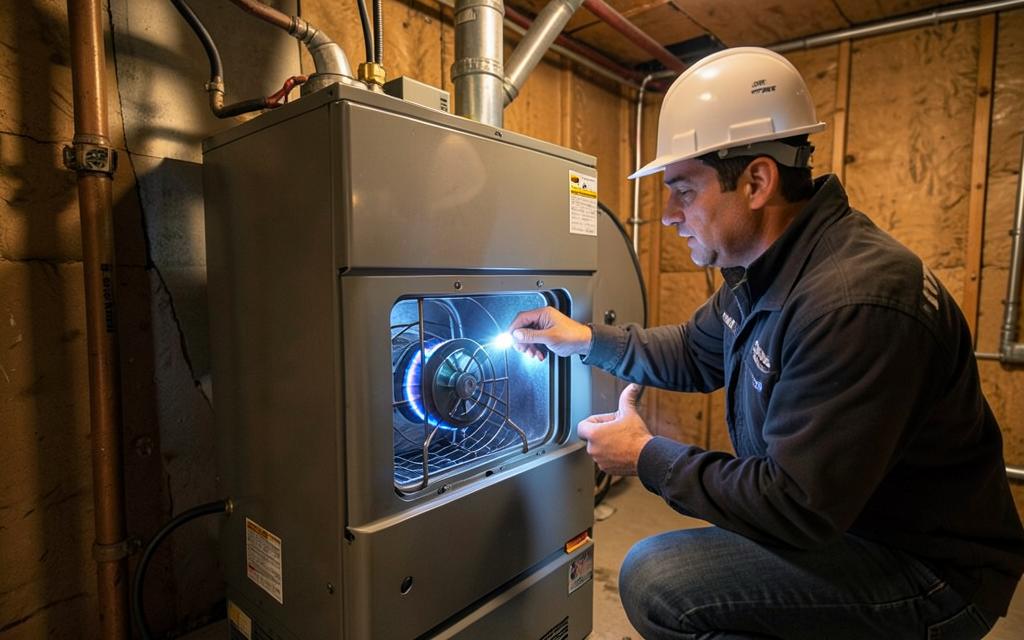
A loud bang at startup, a squeal from the blower or a rattle in the cabinet each point to a different part of the furnace. Here is how to tell them apart and what is safe to check.
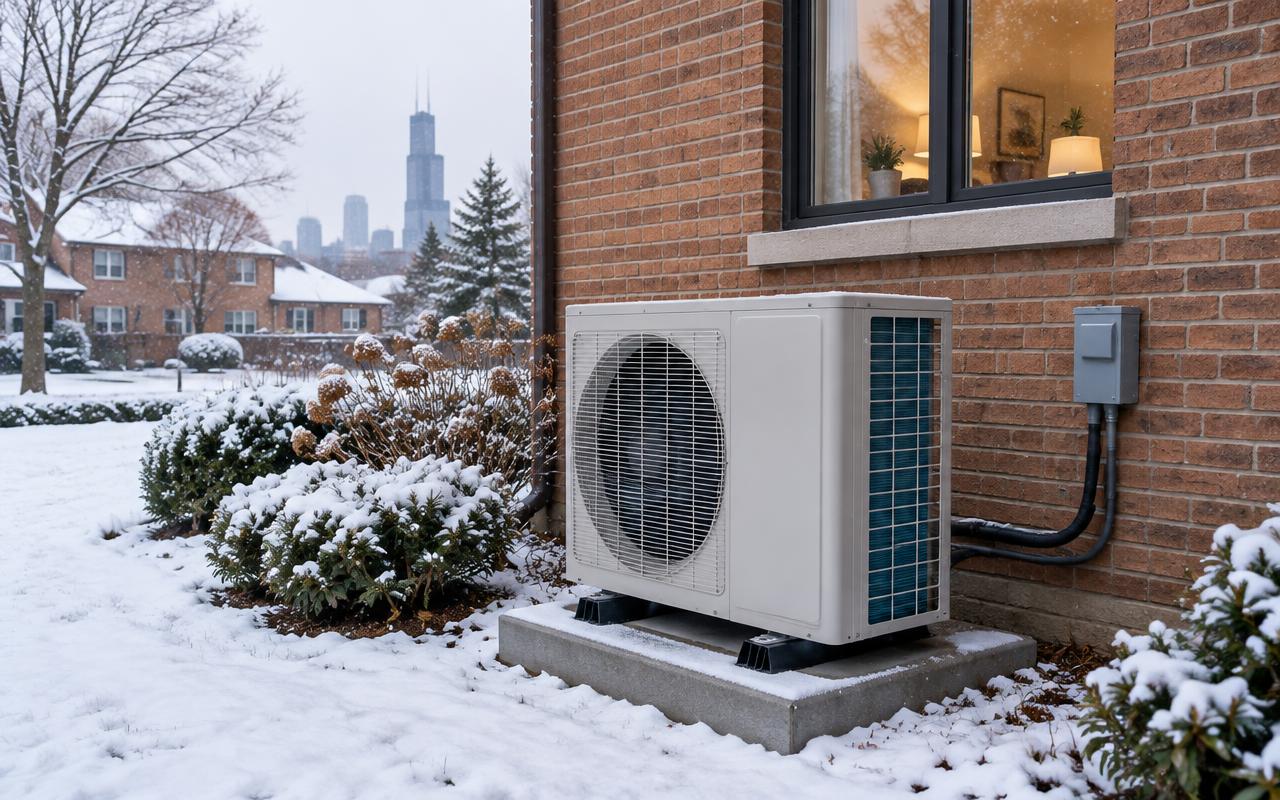
A little frost, a brief cloud of steam and longer cycles can all be normal. Solid ice, no temperature recovery or nonstop backup heat are different problems.
Water hammer on the first cold morning and one apartment roasting while another stays cool are the two classic steam-heat complaints in older Chicago buildings. Here is what usually causes them.
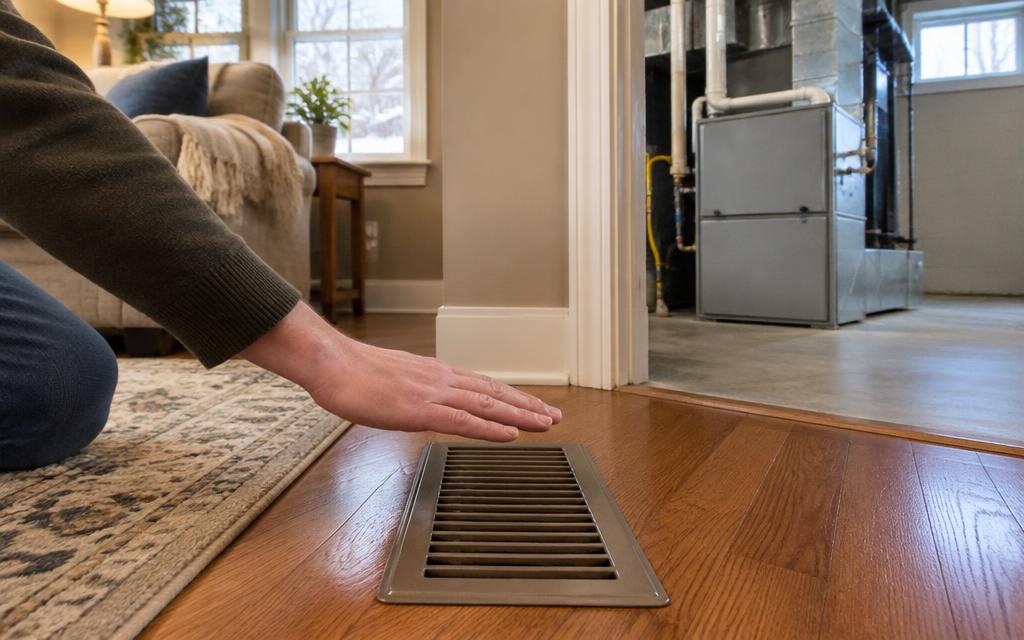
Cold air from the registers and a furnace that starts and stops every few minutes are different symptoms with overlapping causes. Here is how to tell them apart before calling for heating service.
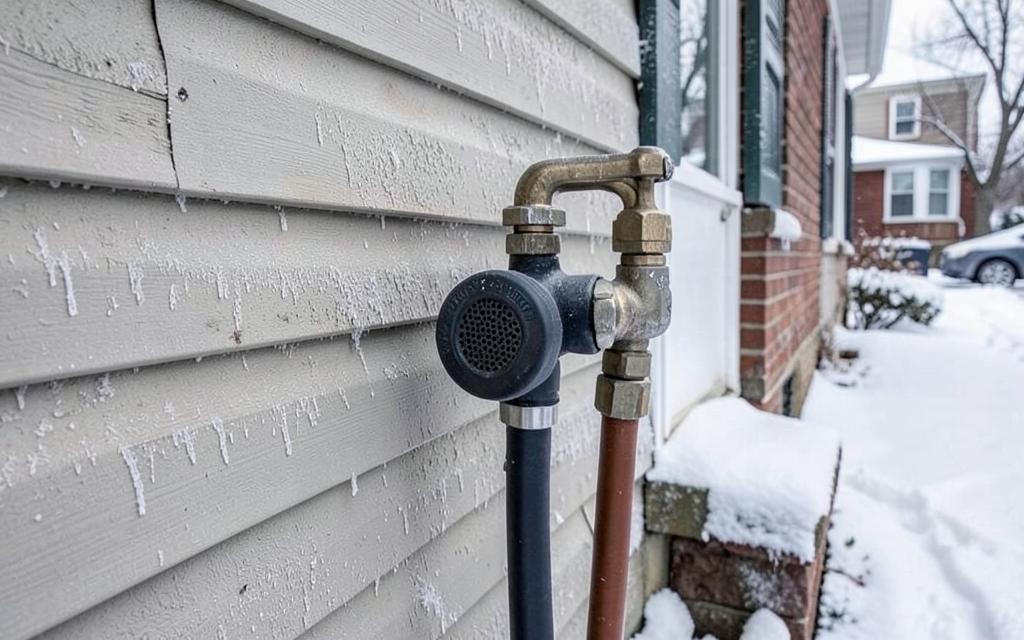
A full-building water shutoff is useful for some vacant or vulnerable properties, but it is not the default for every cold night. Here is how to make the decision safely.
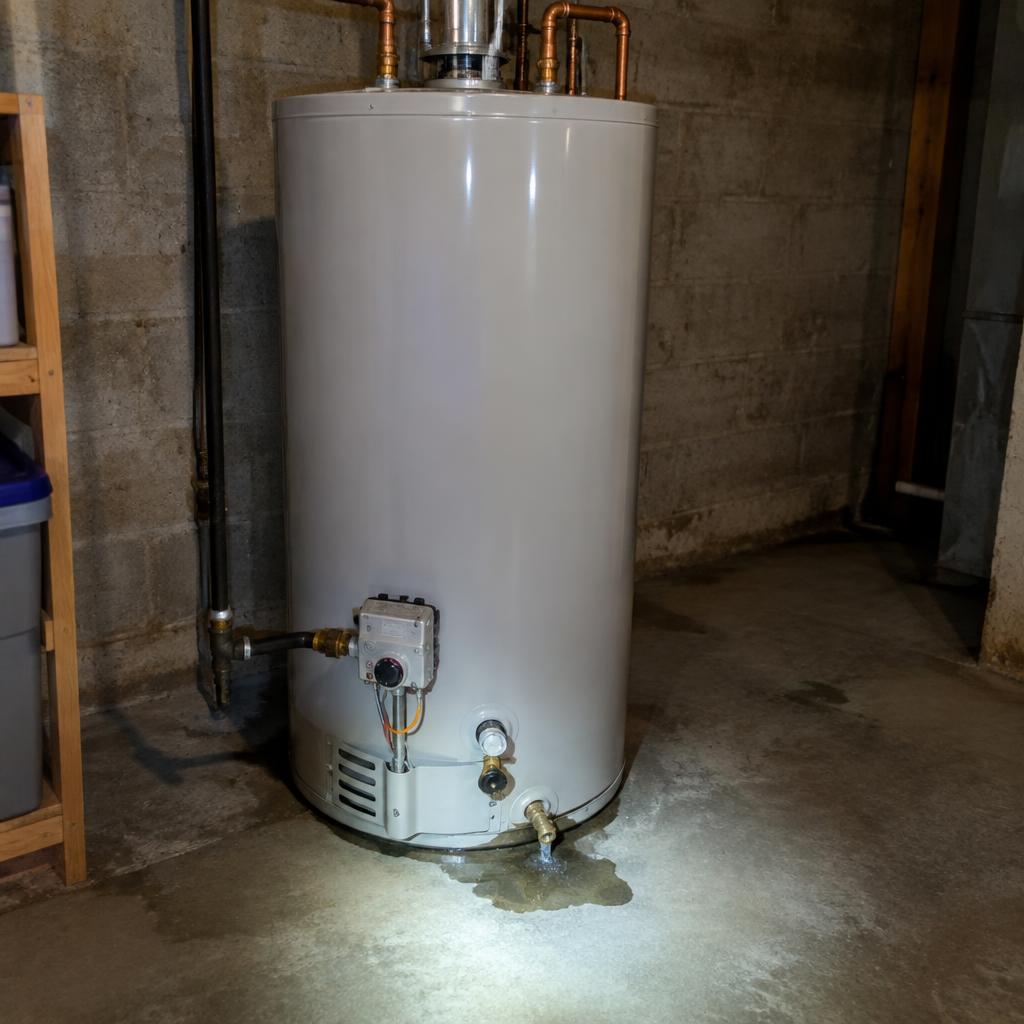
Water at the base of a water heater can come from a valve, a fitting, condensation or the tank itself. Here is how the repair-or-replace decision actually gets made.
A condensing furnace is designed to make water. When the trap, drain line or condensate pump stops moving it, you get leaks and nuisance shutdowns — usually on the first cold night.
A light dusty odor during the first fall startup can be ordinary. Smoke, melting plastic, soot or fuel odors are not. Here is how to tell the difference.
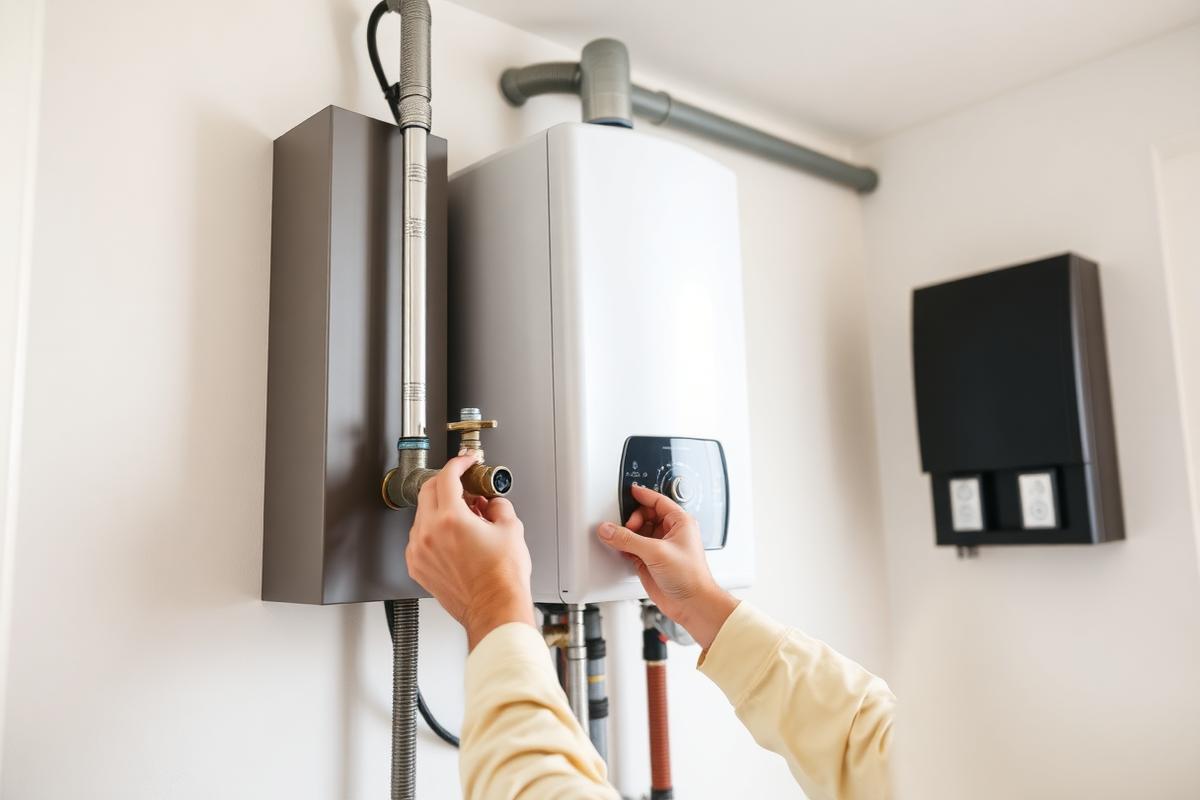
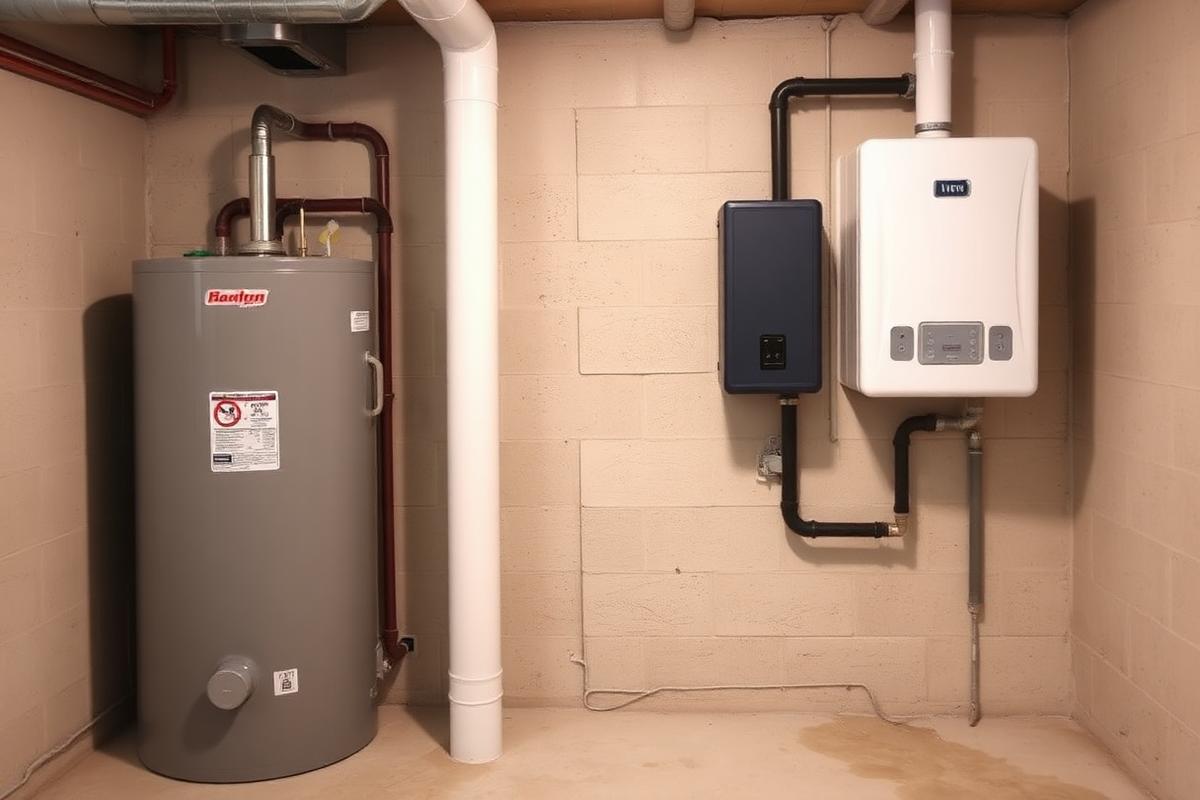
A tankless water heater makes hot water, a boiler heats the house, and a combi-boiler does both from one wall-hung unit. Here is how the Navien equipment differs and what correct selection actually requires in a Chicago-area building.
A climbing electric bill usually traces back to the equipment that heats, cools and heats water. Here is what drives the usage on commercial and residential properties, and what a technician looks at.
AFUE is the rating that describes how much of the gas a boiler burns actually becomes heat in your building. Here is what the number means, brand-neutral, and how to think about an upgrade honestly.
Endless hot water and lower standby gas use are the draw — but sizing, venting and descaling decide whether a Navien tankless actually delivers. Here is what certified installation and service involve.
Condensing boilers and combi-boilers that handle Chicago winters efficiently — if they're sized, vented and serviced right. What Navien boiler installation and service involve.
Navien's condensing gas furnaces give Chicago-area homes efficient, even heat — when sizing, venting and airflow are done right. What installation and service involve.
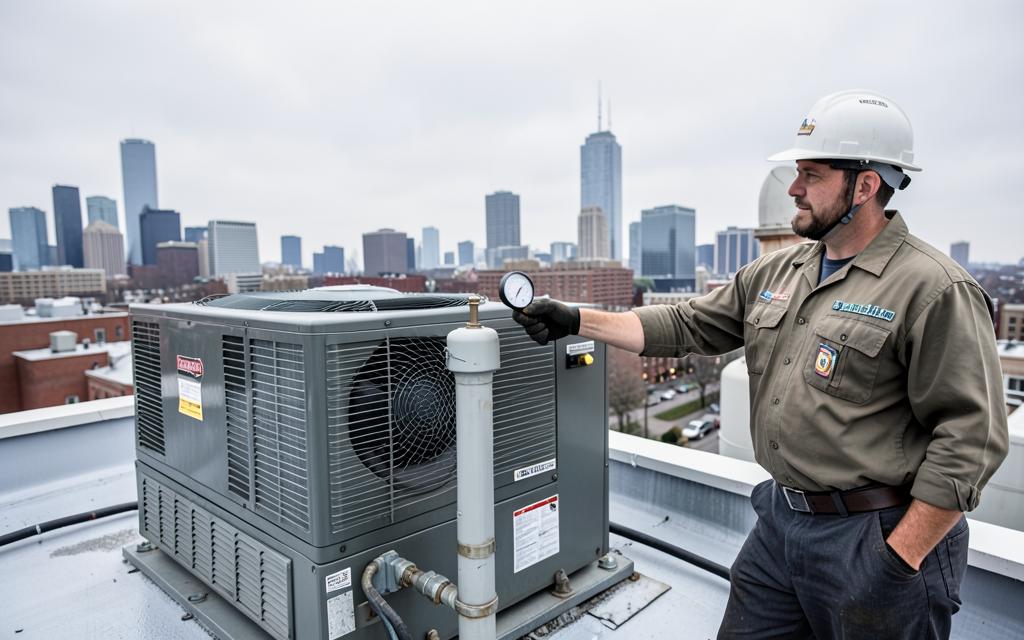
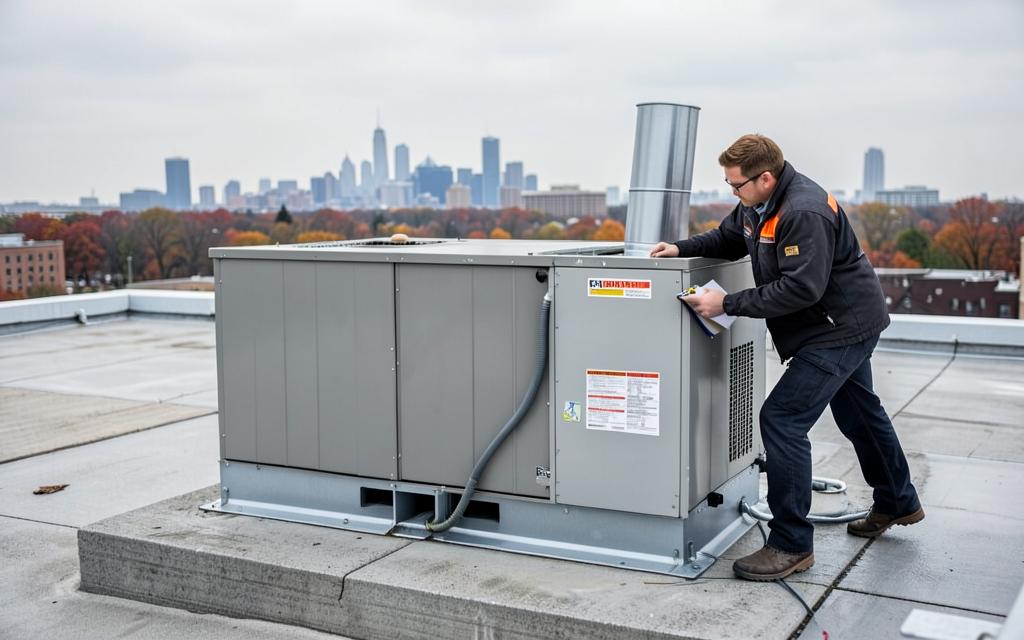
A rooftop unit can run all day and still leave a suite cold. Here is what Chicago property managers should test, document and schedule before sustained cold weather arrives.
A door that fights you, a hood that stops catching smoke and a dining room full of cold drafts usually point at one thing: the building is exhausting more air than it brings back in.
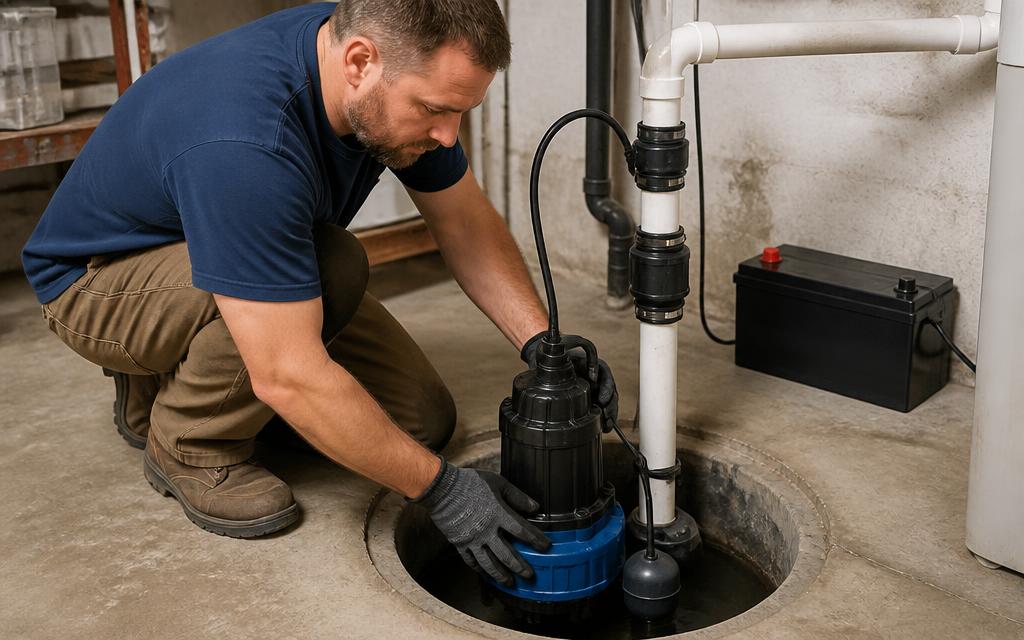
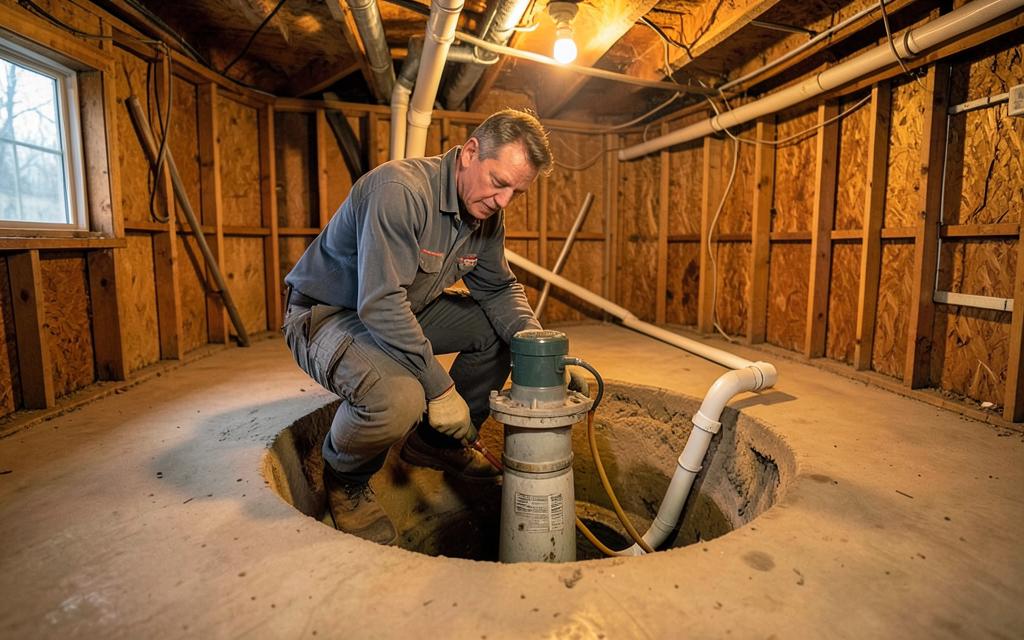
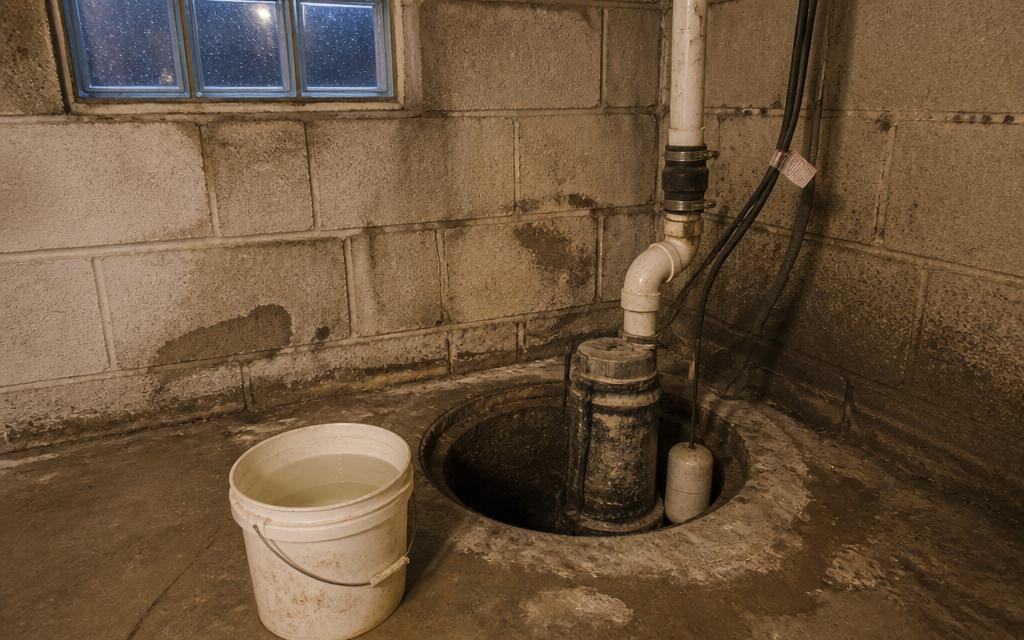
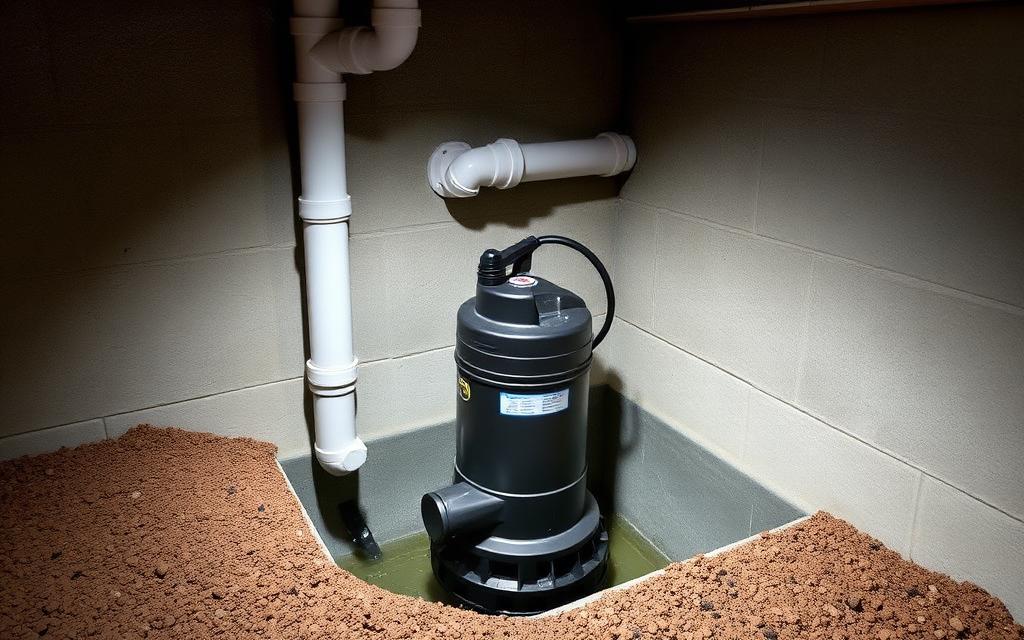
A working sump pump is often the only thing between a dry basement and a flooded one. Here is how Right Away installs, repairs and maintains sump pumps across Des Plaines and the northwest suburbs.
Sump pump replacement costs vary more than most homeowners expect. Here is what actually drives the price in Des Plaines and the northwest suburbs — pump type, pit condition, battery backup and discharge routing — and when replacing beats another repair.
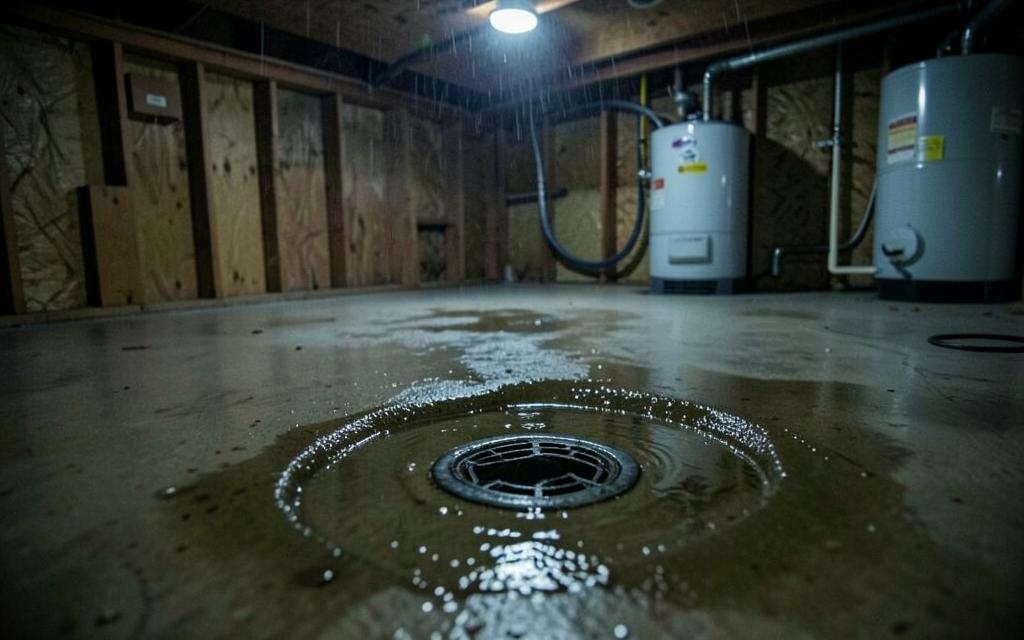
A soaking Chicagoland storm is when aging sewer lines finally show their problems. Here is why heavy rain triggers backups, how to tell your line from a municipal surcharge, and what actually prevents a repeat.
A system that has run since June enters late summer with worn capacitors, dirty coils and a season of strain behind it. Here is how to spot trouble before full failure — and how to decide between a repair now and a fall replacement.
Early fall is the window to get heating, sump pump and water heater systems checked before Chicagoland's first real cold front. Here is the checklist we give our customers every September.
Older Chicago and suburban homes were not built for today's rainfall, and a sump pump running past its lifespan is the weak link fall storms find first. Here is how to check yours now.
Most sump pumps last somewhere between 7 and 10 years. Here is what shortens that, how to test yours, and how to tell when it is time to replace instead of repair.
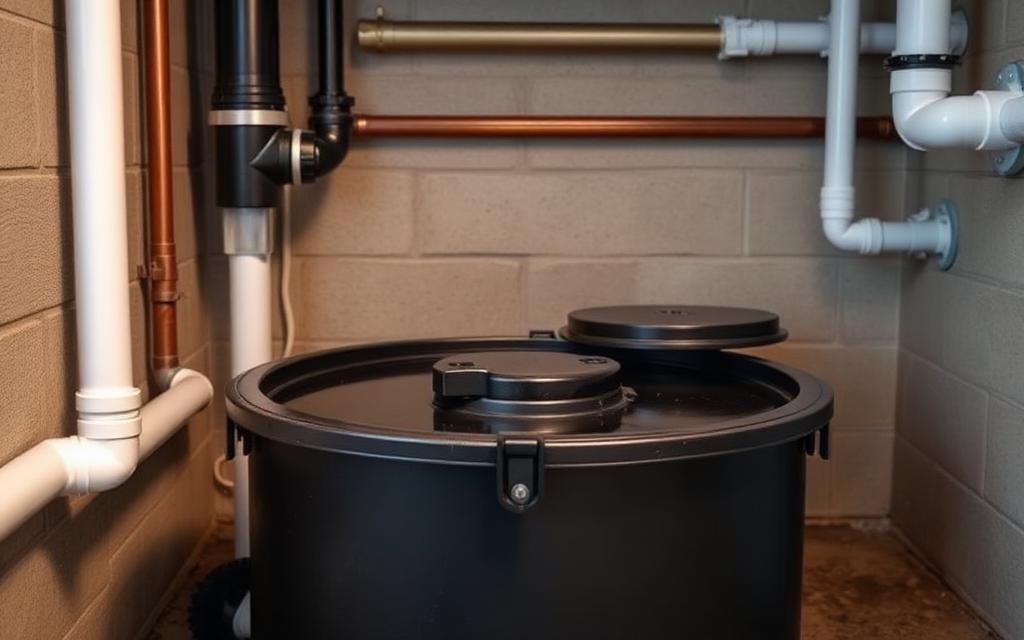
An ejector pump moves waste, not just water, so failure is messier and less forgiving. Here is realistic life expectancy, the signs to watch, and when to replace.
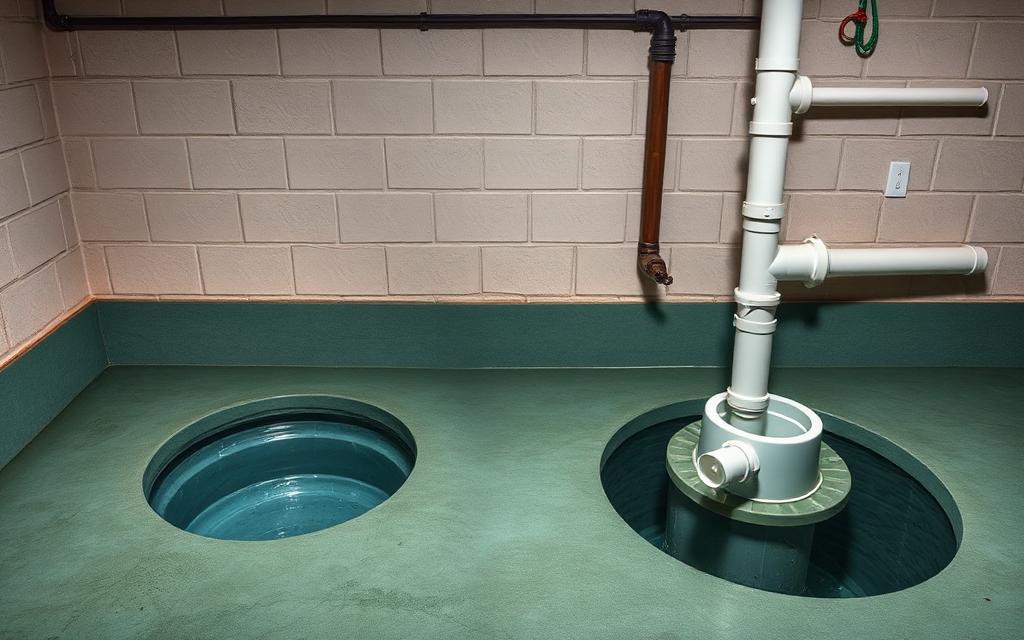
They look similar and sit in similar pits, but they do completely different jobs. Here is how to tell them apart and figure out which one your basement needs.
Hard water is the main thing that shortens tankless life around Chicago. Here is what descaling does, how often it is worth doing, and what a proper maintenance visit covers.
Tankless is not automatically the upgrade. Here is how the two systems really compare in Chicago-area homes, including the gas, venting and winter details that decide it.
Error codes are categories, not diagnoses. Here is what the common families of tankless faults usually mean, what is safe to check yourself, and when to stop resetting.
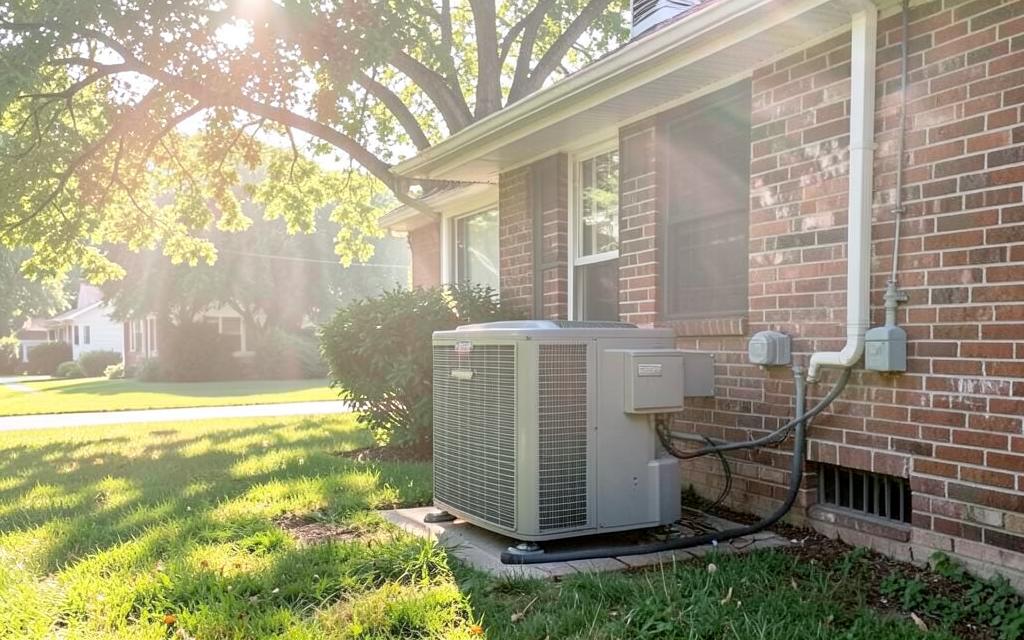
Upgrading an older air conditioner may cut cooling electricity use by roughly 30–50% in qualifying situations. Here is where those savings actually come from — and the caveats that matter.
A running boiler does not guarantee heat is reaching every radiator. Use the pattern of cold rooms and cold radiator sections to narrow down the likely cause.
A furnace that needs repair and a furnace that is done look similar from the thermostat. Here are the signs we actually weigh, the age and cost rules of thumb, and the one symptom you never wait on.
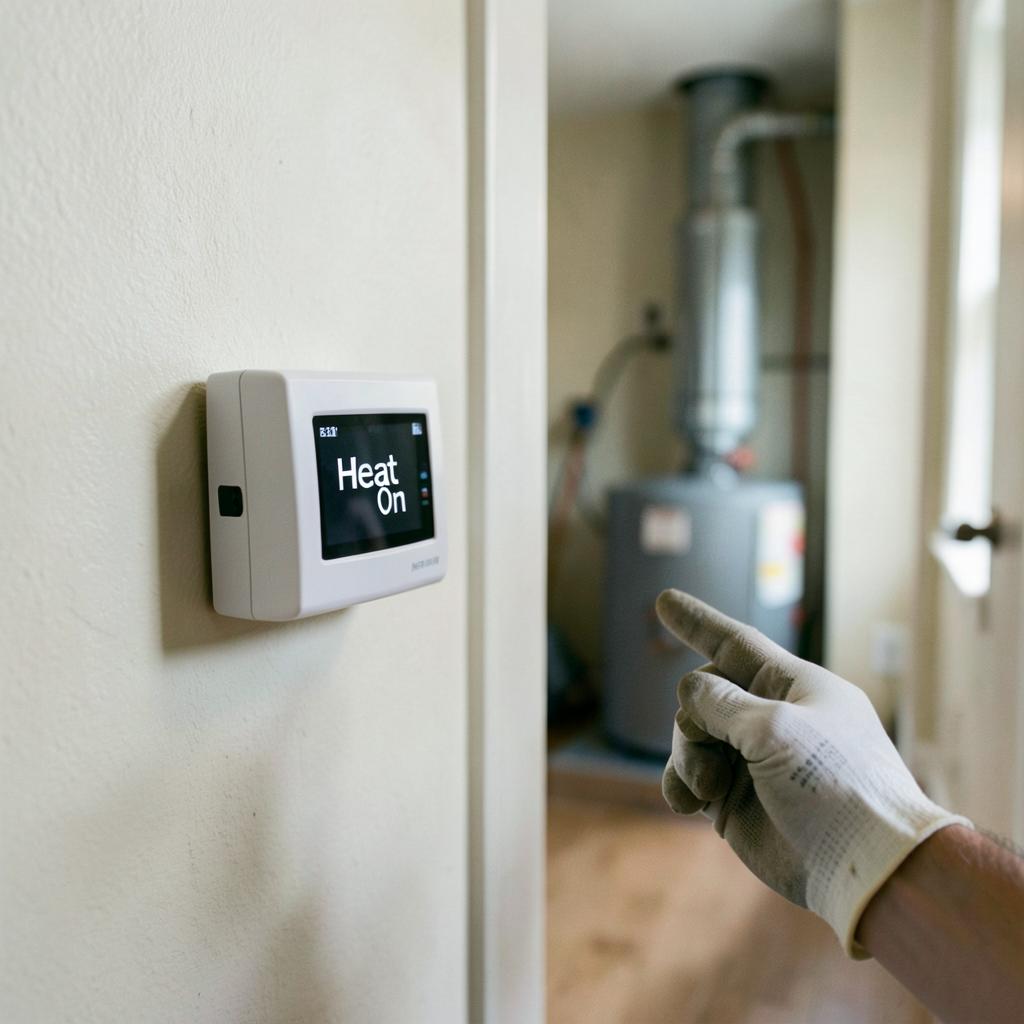
“Heat On” means the thermostat is requesting heat — it does not prove the furnace, boiler or heat pump completed the request. Here is what you can check safely and when to call.
High-efficiency furnaces make water every time they run. When that water cannot drain, the furnace can shut itself down. Here is how drainage problems produce a no-heat call, and what is safe to check.
A gauge that climbs during a heating cycle and a relief valve that starts to weep are related symptoms. Here is what may be behind them in Chicago-area buildings, and why the valve itself is never the thing to silence.
Boilers are reliable, but they still need attention before the first hard freeze. Here are the signs to watch for, why annual maintenance matters, and how we help homeowners across the northwest suburbs.
A rollout switch can trip because heat or flame reached a place it should never be. Leave the furnace off and learn what professional diagnosis looks at.