Ejector Pump Life Expectancy: When Should You Replace a Sewage Ejector Pump?
· 7 min read · Right Away Plumbing and HVAC
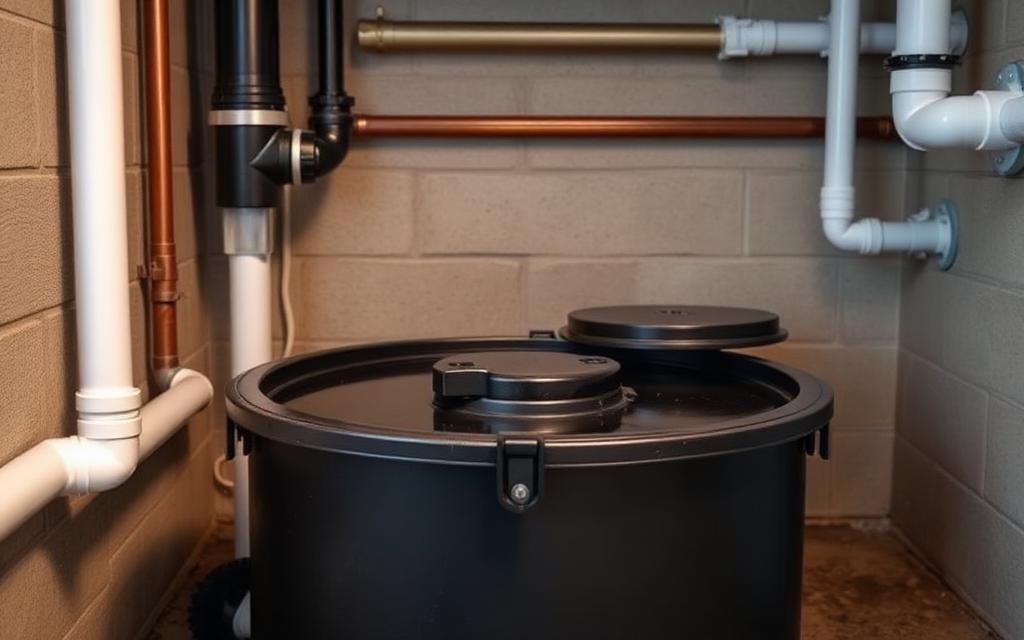
A sewage ejector pump handles fixtures that sit below the sewer line, most often a basement bathroom, laundry sink or wet bar. Waste and water collect in a sealed basin, and the pump lifts everything up to the building drain so gravity can take over from there.
Because it moves solids rather than clean groundwater, an ejector pump fails differently than a sump pump. It is louder about it, it smells, and the cleanup is worse. Knowing the normal service life and the early warning signs is the difference between a scheduled replacement and a bad evening.
Typical sewage ejector pump life expectancy
Plan on roughly 7 to 10 years for a residential sewage ejector pump, with well-maintained units in light-use basements sometimes reaching a bit longer. A grinder pump, which shreds solids before pumping, is a different machine with a different price and often a similar or slightly shorter service life given how hard it works.
Usage drives the number. A basement bathroom used daily by a family, or a laundry that runs several loads a week, puts far more cycles on a pump than a rarely used guest bath. Multi-unit buildings and commercial basins are on the heavy end of that scale and should be inspected on a schedule rather than run to failure.
Warning signs an ejector pump is failing
Odor is the signal people most often ignore. A sealed basin should not smell. If a basement bathroom has a persistent sewage smell, something in that system needs attention even if the pump still runs.
- Sewer odor in the basement, which often means a failed basin seal, a dried trap or a venting problem
- Slow drains or gurgling from basement fixtures
- The pump runs longer than it used to for the same amount of water
- The pump runs but the basin does not empty
- Short cycling, or the pump starting and stopping repeatedly
- Grinding, screeching or knocking sounds during operation
- Water or waste around the base of the basin
- An alarm sounding, if the basin has a high-water alarm
- Repeated breaker trips when the pump kicks on
Common causes of ejector pump failure
Flushable wipes are the single most common cause we find. They do not break down like tissue, and a standard ejector pump is not designed to shred them. If a basement bathroom is used by guests or tenants, a small sign asking that only toilet paper be flushed genuinely reduces service calls.
- Wipes, paper towels, cat litter, dental floss and hygiene products, which wrap the impeller
- Grease and cooking oil, which coat the basin and float
- A float switch fouled by debris or tangled against the basin wall
- A failed check valve, letting the basin refill after each cycle
- A blocked or improperly installed vent, which prevents the basin from draining and breathing correctly
- A cracked or poorly sealed basin lid
- A pump undersized for the fixtures it serves, or the wrong pump type for the solids present
- Long periods of no use, which lets seals dry and solids harden in the basin
Testing and maintenance
Ejector pumps are less DIY-friendly than sump pumps, because opening a sealed sewage basin releases odor and exposes you to wastewater. Keep homeowner checks to the outside of the system and leave the basin to a plumber.
- Run water at the fixtures the pump serves and listen for it to start, empty the basin, and shut off cleanly
- Time roughly how long a normal cycle takes so you notice when it gets longer
- Check the floor around the basin for moisture and staining
- Confirm the lid is sealed and no bolts or fasteners are loose
- Note any odor, alarm or unusual sound and describe it when you call
- Have the basin, float, check valve and vent inspected professionally every year or two, especially past the 5 year mark
Backup power and alarms
A high-water alarm on an ejector basin is inexpensive and gives you warning before waste reaches the floor. If the basin does not have one, adding it is one of the better small upgrades available.
Battery backup is more complicated here than with a sump pump, because ejector pumps draw more power and battery systems can only cover limited run time. For finished basements, rental units and commercial properties, whole-home or building generator backup is usually the more realistic protection. Which option fits depends on the property, and it is worth talking through before buying equipment.
Right Away installs backup pump system options designed for better reliability, efficient operation, and longer service life for ejector systems where backup is practical, including high-water alarms suited to sealed sewage basins.
Lifetime Parts & Labor Warranty on Qualifying Installations. Terms and eligibility apply. Coverage applies to qualifying company-supplied Right Away sump pump and ejector pump installations, including fittings we install, under the written warranty terms; a pump is not automatically covered unless the installation qualifies.
When replacement makes more sense than repair
Repairing is reasonable when the pump is relatively young and the failure is peripheral: a float that needs cleaning or replacing, a check valve, a lid seal, a vent correction, or a one-time clog from something that should not have gone down the drain.
Replacement is normally the smarter choice when the pump is 7 or more years old, when the motor or impeller has failed, when it has already been rebuilt once, when it is the wrong size or type for the fixtures it serves, or when the basin itself is cracked or improperly sealed. A repaired ejector pump that fails again brings sewage into a finished space, and that cost dwarfs the price difference between a repair and a new unit.
When a pump is being replaced, it is worth checking the whole installation at the same time: basin condition, lid and seal, venting, check valve, discharge routing, and whether the circuit is dedicated. Fixing those together is what makes the next pump last a full service life.
Talk to Right Away
If a basement bathroom smells, an ejector pump is getting loud, or the basin has never been inspected, get it looked at before it backs up. Right Away Plumbing and HVAC services and replaces sewage ejector pumps, grinder pumps and basins for homes, multi-unit buildings and commercial properties across Chicagoland.
You can read more about our plumbing services, check the communities we serve, or start with plumbing in Des Plaines and Park Ridge. Planning a remodel or weighing a big replacement? Our consulting service is built for that conversation.