
How a High-Efficiency AC System May Lower Your Electric Bill by 30–50%
· 8 min read · Right Away Plumbing and HVAC
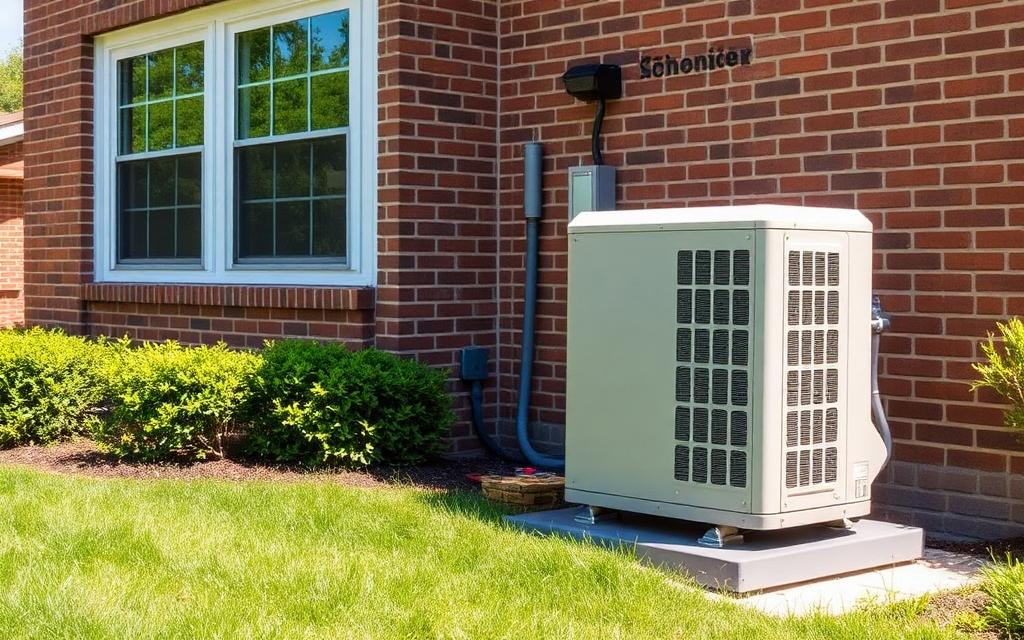
Summer electric bills in Chicagoland can be painful, and air conditioning is usually the biggest single load on the meter. If your condenser is more than 10 or 15 years old, you have probably heard the claim that a high-efficiency replacement could cut your cooling costs dramatically. There is real truth behind that claim, but it comes with honest conditions.
Upgrading an older, inefficient air conditioner to a high-efficiency system may reduce cooling electricity use by roughly 30%–50% in qualifying situations. Actual savings vary based on your existing equipment, the replacement system, home or building conditions, climate and weather, installation quality, maintenance, thermostat settings and how the system is used. No contractor can promise you a specific number before looking at your setup — and we will not either.
This guide explains where the savings genuinely come from so you can make a clear-eyed repair-vs-replace decision.
Why older air conditioners use more electricity
Three things work against an aging system. First, equipment standards have improved: a central air conditioner installed in the mid-2000s was typically rated around 10 SEER, while new systems start at 14–15 SEER2 equivalents and high-efficiency models run well above that. Second, wear accumulates — compressor efficiency declines, coils foul, and refrigerant charge drifts, so a 15-year-old unit often performs below its original rating.
Third, older systems are frequently oversized for the home, cycling on and off in short bursts that waste energy and leave the air humid.
Refrigerant is a factor too. Many systems installed before 2010 run on R-22. U.S. production and import of newly produced R-22 ended in 2020, so servicing an existing R-22 system now relies on recovered and reclaimed supplies, which makes refrigerant repairs steadily more expensive. A major repair on an R-22 system is often the point where replacement becomes the smarter money.
Efficiency ratings in plain language
SEER (Seasonal Energy Efficiency Ratio) is a miles-per-gallon rating for cooling: higher means more cooling per kilowatt-hour. Since 2023, new equipment is tested under a stricter procedure called SEER2, so SEER2 numbers read slightly lower than old SEER numbers for equivalent performance. Roughly speaking, moving from a worn 10 SEER system to an 18–20 SEER2-class system is where the upper end of that potential 30–50% savings range comes from.
One more term worth knowing: variable-speed and inverter-driven compressors. Instead of running full-blast or not at all, these systems modulate to match the load. They run longer at low speed, which removes more humidity, evens out room temperatures, and uses less electricity than repeated hard starts. Not every home needs this level of equipment, but in qualifying situations it is where much of the efficiency gain lives.
Where the potential savings actually come from
The equipment rating on the box is only part of the story. Real-world savings come from the whole installation:
- Higher-efficiency equipment — a modern condenser and matched indoor coil simply do the same work with less electricity
- Variable-speed or inverter operation where applicable — longer, slower, cheaper run cycles instead of short blasts
- Correct sizing — a Manual J load calculation prevents the oversized, short-cycling system that wastes power and leaves rooms clammy
- Installation quality — correct refrigerant charge, airflow and commissioning are the difference between rated efficiency and real efficiency
- Duct condition — leaky or uninsulated ducts in an attic or crawl space can waste 20% or more of the cooling you already paid for
- Controls and thermostat — a properly programmed thermostat (or a smart one) trims hours of unnecessary runtime each week
- Maintenance — clean coils, a fresh filter and correct airflow keep the efficiency you paid for from eroding year over year
Repair or replace? Signs it is worth pricing both
Repair is usually right when the system is under 10 years old, the fault is a normal wear part (capacitor, contactor, fan motor), and the unit has been reliable otherwise. Replacement deserves a serious look when several of these line up at once:
When we quote a job like this, we price the repair and a matched high-efficiency replacement side by side, so you can compare real numbers instead of guessing. If your AC is not cooling or is blowing warm air right now, our cooling page explains how we diagnose it.
- The system is 12–15+ years old and uses R-22 refrigerant
- A compressor or coil failure — the expensive repairs — on an aging unit
- Summer electric bills climbing year over year with similar usage
- Rooms that never cool evenly, or air that feels humid even while the AC runs
- The system runs almost continuously on hot days and still cannot hold the setpoint
- A second or third repair call within the same cooling season
See how we handle AC repair and air conditioning service across Des Plaines and the surrounding suburbs.
If the system has stopped cooling right now, start with AC repair — we diagnose first and only talk replacement when the numbers support it.
Keep the savings claim honest
You will see ads promising a specific percentage off your bill or a fixed payback period. Be cautious with both. The 30–50% range applies only in qualifying situations — typically replacing a genuinely old, inefficient or failing system with properly sized, correctly installed high-efficiency equipment. Your actual savings depend on your existing equipment, the replacement system, your home's insulation and ductwork, the weather that summer, installation quality, maintenance, thermostat settings and how your household uses cooling.
A home that keeps the thermostat at 68 with leaky attic ducts will see different results than one at 74 with sealed ducts — even with identical equipment. The right way to estimate your savings is to look at your actual usage and your actual house, not a national average.
Frequently asked questions
How much can a high-efficiency AC really save on my electric bill?
Upgrading an older, inefficient air conditioner may reduce cooling electricity use by roughly 30%–50% in qualifying situations. Actual savings vary based on your existing equipment, the replacement system, home or building conditions, climate, installation, maintenance, thermostat settings and usage, so no specific figure can be guaranteed without evaluating your setup.
My AC uses R-22 refrigerant. Does it have to be replaced now?
Not automatically. U.S. production and import of newly produced R-22 ended in 2020, but existing systems can still be serviced using recovered and reclaimed refrigerant. The practical issue is cost: R-22 supplies keep tightening, so a major refrigerant-related repair on an older system often makes replacement the better value.
Is a higher SEER2 rating always worth paying for?
Not always. The right efficiency level depends on how much you run your AC, how long you plan to stay in the home, and the condition of your ductwork. A correctly sized and installed mid-efficiency system usually beats an oversized premium system installed poorly. We quote options at more than one efficiency level so you can compare.
Will a new AC fix rooms that never cool properly?
Only if the cause is the equipment. Uneven cooling is just as often a duct, airflow or sizing problem. That is why we look at the whole system — including ducts and load calculation — before recommending a replacement, so the new system actually solves the comfort problem.
Talk to Right Away
If your air conditioner is aging, running constantly, or blowing warm air, Right Away Plumbing and HVAC can diagnose it and — when it makes sense — quote the repair and a high-efficiency replacement side by side. Qualifying installations may include our lifetime product, labor and parts warranty program; terms and eligibility apply.
We serve Des Plaines, Park Ridge, Mount Prospect, Glenview and the surrounding suburbs at 847-550-3322, and Chicago neighborhoods at 773-250-6060.
You can read more about our plumbing services, check the communities we serve, or start with plumbing in Des Plaines and Park Ridge. Planning a remodel or weighing a big replacement? Our consulting service is built for that conversation.