
Boiler Running but Radiators Cold? What Uneven Heat Means in a Chicago Building
· 9 min read · Right Away Plumbing and HVAC
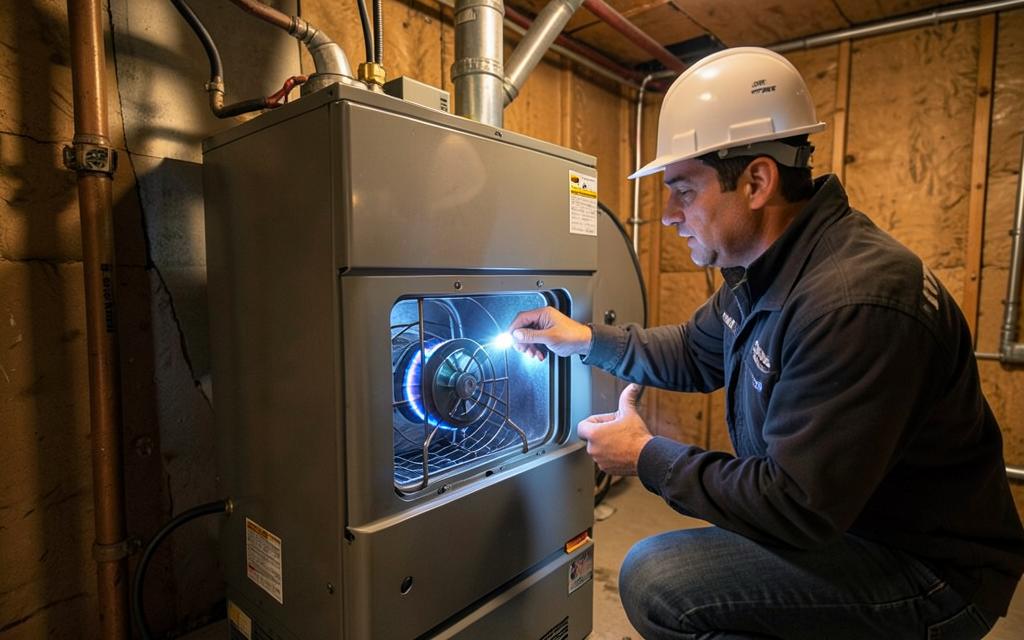
When the boiler is running but one radiator, one floor or an entire side of a Chicago building stays cold, the boiler may not be the only part of the system that matters. Heat still has to move through piping, valves, vents, pumps and controls before it reaches the rooms.
The pattern tells a useful story. One cold radiator points in a different direction than every radiator being cold. A radiator that is cold at the top suggests something different from one that is cold at the bottom. This guide explains what those patterns may mean, which homeowner checks are reasonable, and when professional boiler diagnosis is the safer next step.
First, identify whether you have steam or hot-water heat
Steam radiators typically have one supply pipe and an air vent on the opposite side. Hot-water radiators may have supply and return connections, and the system usually includes a circulator pump near the boiler. Some older buildings use variations, so do not force a valve or open a fitting just to identify the system.
This distinction matters because trapped air, failed vents and circulation problems behave differently. Steam must push air out before vapor can fill the radiator. A hot-water system depends on water pressure, circulation and proper air removal.
For planned care rather than an active fault, review boiler maintenance in Chicago and report leaks or recurring shutdowns when booking.
If replacement is being considered after diagnosis, see what affects boiler replacement cost in Chicago before comparing written scopes; no single price fits every system.
For business or managed-building equipment, see commercial boiler repair in Chicago.
What the cold-radiator pattern can tell you
Every radiator is cold
If the boiler appears to run but no radiator heats, start with the thermostat setting and confirm the system is actually completing a heating cycle. A burner can start and then shut down on a safety condition before useful heat moves through the building.
- Thermostat or control is not maintaining a heat call
- Burner is locking out after ignition
- Circulator pump is not running on a hot-water system
- System pressure or water level is outside the normal range
- A main steam vent, zone valve or building control is not operating
One radiator or one room is cold
A single cold radiator usually shifts attention away from the boiler itself and toward that branch of the system. The valve may be closed or stuck, a steam air vent may have failed, air may be trapped in a hot-water radiator, or flow may be restricted.
The radiator is cold at the top
On many hot-water systems, a cold top and warmer bottom can indicate trapped air. Bleeding may be appropriate only when the system was designed with a manual bleed point and the person doing it knows the correct procedure. Repeated air usually means there is another problem—such as low pressure, a leak or an air-control issue—that needs diagnosis.
The radiator is warm at the top but cold at the bottom
A cold lower section can point to restricted water flow or sediment in a hot-water radiator. On steam equipment, uneven heating can also come from pitch, venting or a partly closed valve. Flushing or disassembly is not a casual homeowner task because hot water, steam and pressure can cause injury.
Upper floors or distant rooms stay cold
When heat reaches nearby radiators but not the farthest or highest ones, system balance becomes a leading possibility. Pump performance, water pressure, zone valves, steam main venting, pipe insulation and control settings can all affect how evenly heat is distributed.
Common causes of cold radiators while the boiler runs
Several of these faults look identical from the living room. Reliable diagnosis comes from checking the sequence of operation and comparing temperatures, pressure, controls and flow across the system instead of replacing the first part that seems suspicious.
- A thermostat, relay or zone control that starts the boiler but does not open the correct heating zone
- A weak or failed circulator pump on a hot-water system
- Trapped air, low system pressure or an automatic air-control problem
- A failed steam radiator vent or undersized main venting
- A radiator valve that is closed, stuck or damaged
- Restricted piping, sediment or sludge that limits circulation
- Incorrect steam pressure or short cycling before radiators fill
- A building-balance problem that sends too much heat to nearby rooms and too little to distant ones
Safe checks you can make before calling
Do not repeatedly reset a boiler, bypass a safety switch, open a hot system, or add water without knowing the correct operating pressure. A reset can erase useful fault information, and adding water to an overheated or leaking boiler can create a more serious problem.
- Confirm the thermostat is set to HEAT and above the current room temperature
- Check whether the problem affects one radiator, one zone, one floor or the entire building
- Make sure accessible radiator valves are fully open, but do not force a valve that will not move
- Look for visible water around the boiler, pumps, valves and radiators
- Note any boiler error code, unusual noise, pressure reading or repeated shutdown
- Check that furniture, curtains or radiator covers are not blocking heat from the room
- Replace a visibly clogged forced-air filter only if the boiler is part of a combined system that uses one
When cold radiators are urgent
Turn the equipment off and request help promptly if you smell gas, see soot, find active leaking near electrical controls, hear violent banging, or a carbon-monoxide alarm sounds. Leave the building and call the gas utility or emergency services for a suspected gas leak or carbon-monoxide event.
A boiler that repeatedly loses pressure, needs frequent water addition or discharges from its relief valve also needs professional attention. Those symptoms may involve a leak, expansion tank, fill valve or safety-control problem; continuing to operate the system can damage equipment.
If the gauge is climbing or water is appearing under the valve, our guide to rising boiler pressure and a dripping relief valve explains what a technician checks.
How a boiler and radiator diagnosis works
A useful service visit begins with the complaint pattern: which rooms are cold, when it started, whether anything was changed, and whether the boiler recently received water or service. The technician then verifies the thermostat call, burner sequence, safeties, pressure or water level, pumps or steam venting, and temperatures through the distribution system.
For a hot-water system, that may include checking circulator operation, zone valves, expansion tank condition, fill pressure and trapped air. For steam, it may include boiler pressure, water level, main and radiator venting, valve position, piping pitch and cycle length.
The goal is to find the restriction or control failure that explains the whole pattern. Replacing a radiator vent will not repair a failed main vent, and bleeding one radiator will not solve a system that keeps pulling in air.
Repair, rebalance or replace?
Many uneven-heating problems are repairable without replacing the boiler. Failed vents, zone valves, circulators, controls and air-management components can often be corrected individually. A system that was never balanced may need adjustments so heat reaches distant rooms without overheating the rooms closest to the boiler.
Boiler replacement is a separate decision based on equipment condition, safety, age, repair history and whether the existing system is properly sized. Cold radiators alone do not prove the boiler needs replacement. If the decision is close, a documented diagnosis or second opinion can help separate a distribution problem from an equipment problem.
Learn more about our boiler repair and no-heat service, or review all
Property managers can also review commercial heating and rooftop HVAC service, while owners planning a larger correction can request
Local boiler help in Chicago and the suburbs
Right Away Plumbing and HVAC diagnoses boiler, radiator and hydronic-heating problems in Chicago, Des Plaines and surrounding communities. We work with homeowners, property managers and commercial buildings, and we explain what failed before recommending repair or replacement.
See service information for Chicago,
Park Ridge and
Glenview, or browse all
Frequently asked questions
Why is my boiler running but the radiators are cold?
The burner may be operating while heat is not moving through the system. Common causes include a failed circulator, closed or stuck valve, trapped air, failed steam vent, low pressure, zone-control problem or restricted flow.
Why is only one radiator cold?
One cold radiator usually points to a local problem such as a stuck valve, failed steam vent, trapped air or restricted branch piping rather than a boiler-wide failure.
Should I bleed a cold radiator?
Only hot-water radiators designed with a bleed point should be bled, and only when you know the correct procedure. Steam radiators are not bled the same way. Repeated trapped air can signal low pressure, a leak or an air-control problem.
Why are upstairs radiators colder than downstairs radiators?
The system may be out of balance, low on pressure, affected by trapped air, or not moving enough water or steam to the farthest radiators. Pump performance, main venting and zone controls should be checked.
Can a thermostat make some radiators stay cold?
Yes. A thermostat, relay or zone control can start the boiler without opening the correct zone or maintaining the call long enough for heat to reach distant rooms.
Do cold radiators mean I need a new boiler?
Not by themselves. Many cold-radiator problems come from vents, pumps, valves, controls, trapped air or system balance. Boiler replacement should follow a full diagnosis of equipment condition, safety, age and repair history.
Talk to Right Away
If your boiler runs but radiators stay cold, map which rooms are affected and note any pressure change, leak, noise or error code before calling. For Chicago service call 773-250-6060. For Des Plaines and the surrounding suburbs call 847-550-3322, or use our contact page to request service.
You can read more about our plumbing services, check the communities we serve, or start with plumbing in Des Plaines and Park Ridge. Planning a remodel or weighing a big replacement? Our consulting service is built for that conversation.