Are You Okay? High Water, Gas & Electric Bills: What to Check
· 11 min read · Right Away Plumbing & HVAC
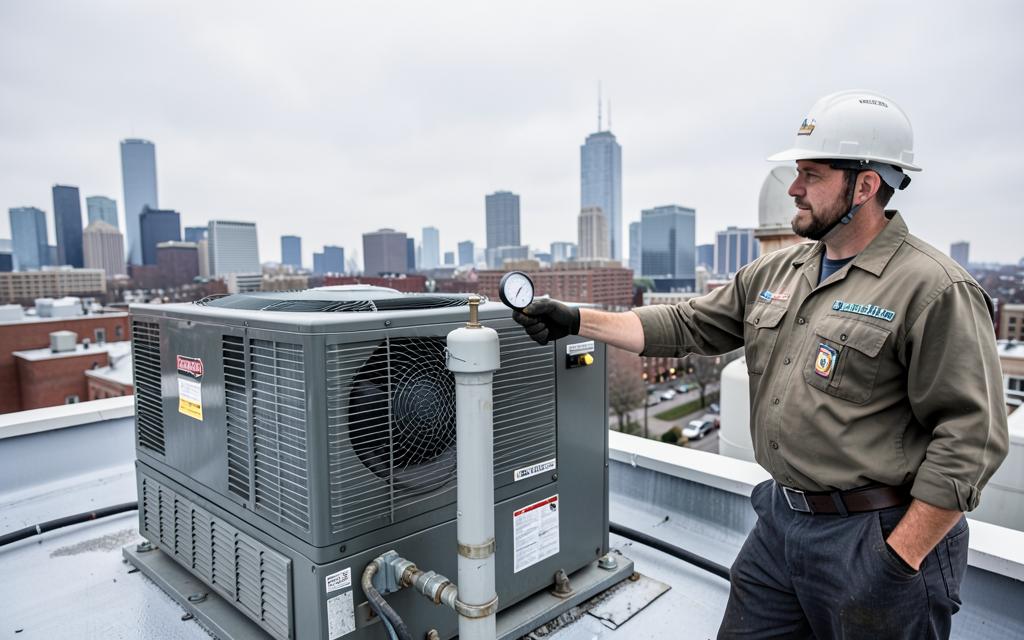
In Chicago and the northwest suburbs, utility bills climb twice a year. In winter, your furnace or boiler runs for hours a day and your water heater works harder on cold incoming water. In summer, your air conditioner carries the load, and lawn watering pushes your water use up.
A small seasonal rise is normal. A sudden jump, or a bill much higher than last year in the same month, usually means something in your home is wasting water, gas or electricity. The good news: most of the causes are plumbing and HVAC problems a licensed technician can find and fix.
Below, our technicians at Right Away Plumbing & HVAC walk through each bill, what to check yourself, and when it's time to call a pro.
Are You Okay? A toilet can leak without making a sound
Water section updated November 13, 2026.
A dry bathroom floor does not rule out wasted water. Water can pass from a toilet tank into its bowl and leave through the drain, so the clue may be a brief refill when nobody has flushed. Before blaming the toilet for a higher bill, compare billed water use, billing-period length and rate changes. A larger dollar total alone does not locate a leak.
Try the 10-minute dye test on an ordinary tank toilet
Lift the ceramic tank lid carefully and rest it on a stable, protected surface. Do not open a sealed pressure-assisted vessel or dismantle unfamiliar equipment; use its manufacturer's instructions or ask a plumber.
- Let the toilet finish refilling.
- Add a few drops of food coloring or a suitable leak-detection dye tablet to the tank water.
- Leave the toilet unused and unflushed for 10 minutes.
- Check the bowl for color before flushing.
- Flush immediately after the check to reduce the risk of staining.
What the dye result tells you
EPA WaterSense uses this test to reveal water passing from tank to bowl. Color appearing without a flush indicates that path is leaking; it does not prove which part needs replacing. A clear result on one check does not settle an intermittent problem.
A flapper is one possibility, not every diagnosis
A worn flapper or flush-valve seal may let water escape. A caught chain can prevent the flapper from closing, and water continuously going over the overflow tube points to a fill-level or fill-valve problem. Toilet mechanisms differ, so record the model and follow its parts instructions. Recheck after any repair rather than assuming a new part solved the loss. Do not keep tightening tank bolts or force an old supply valve.
Use the meter to check for water use elsewhere
Read an accessible household meter, then read it again after two hours with no intentional water use. Account for automatic users such as ice makers, scheduled softener regeneration and irrigation before interpreting movement. EPA describes a changed reading as a probable leak when no water is used.
It is a clue to investigate, not proof that the toilet or the underground service is the source. Do not disturb utility seals or climb into a meter pit. If movement continues after known uses are accounted for, request a diagnosis.
When the check should become a service call
Call for repeated uncommanded refills, a positive dye test you cannot resolve, a moving meter with known uses off, or a leaking or stiff shutoff valve. Water on the floor, damp building materials or a cracked tank needs prompt attention; don't wait for a dye test to investigate an active leak. Avoid standing water near electrical equipment. Tenants should report findings to the responsible manager.
Source: EPA WaterSense Fix a Leak Week guidance on dye tests and meter checks.
Source: EPA WaterSense home maintenance checks for silent leaks.
Source: EPA WaterSense at Work toilet guidance on chains, flapper seals and fill mechanisms (PDF).
Found a leak you can't trace? See our leak detection and repair service.
For other plumbing work, see our plumbing services.
Seasonal water checks
Winter water tips
- Insulate pipes in crawl spaces, garages and outside walls to prevent frozen and burst pipes.
- Disconnect garden hoses and shut off outdoor spigots before the first freeze.
- If a pipe bursts, shut off the main water valve and call us right away.
Summer water tips
- Check sprinklers and hose bibs for leaks after the winter freeze.
- Water the lawn early in the morning to cut evaporation.
- Test your sump pump before heavy summer storms.
Why waste gas? Find ways to save for your future
Reduce avoidable energy waste and keep more money for future needs. Your home should feel warm without leaving you guessing where the money went. Before buying new equipment, compare your gas use, rates and billing days.
Then describe any cold rooms, repeated shutoffs or hot-water changes to Right Away. We can investigate heating and hot-water problems, explain the findings, and discuss practical repair or efficiency options. Actual savings depend on the problem found, the work completed, your equipment, weather, energy rates and use.
Chicago: 773-250-6060. Suburbs: 847-550-3322.
- Compare gas usage rather than dollars alone.
- Record comfort and performance changes, including cold rooms, repeated shutoffs or hot-water changes.
- Ask for diagnosis and written options before replacement.
Find the waste. Know your options. Start with heating services.
For hot-water changes, see water heater service.
Ready to describe the problem? Request service.
Winter bills: separate price changes from equipment problems
Before blaming a furnace, boiler or water heater, compare the amount of energy used, the billing-period length and the rate on each bill. A higher dollar total alone does not identify a failed component. Colder weather, more time at home and a change in hot-water use can change consumption even when the equipment is operating normally.
What to record before a heating visit
Write down which rooms feel cold, when the problem occurs, whether the system reaches the thermostat setting and any visible equipment message. Note recent thermostat or occupancy-schedule changes. Do not repeatedly reset a system to make a warning disappear. These observations help explain the complaint; they do not replace diagnosis.
A furnace that stops before the home warms may need checks of airflow, controls, ignition or other equipment-specific conditions. A boiler comfort complaint may involve the equipment, controls or heat distribution. The right repair follows the tested cause, rather than an assumption that every high bill calls for replacement.
Heat pumps need their own comparison
A winter electric bill can include heat-pump operation and, on some systems, supplemental heat. The AUX label alone does not prove a fault. Report persistent backup-heat operation, a loss of comfort or a visible warning, and follow the installed equipment instructions. Use our existing heat-pump guide to understand AUX and EM Heat before changing settings.
Repair, inspection or consulting?
For an active no-heat or repeated shutoff problem, request heating diagnosis. For a planned review of accessible plumbing, HVAC or mechanical-system condition, ask about a system inspection and its agreed scope. If you are comparing replacement options or a recurring building problem, technical consulting can help review the available information. These are different service scopes; none establishes a guaranteed reduction in bills.
For hot-water concerns, describe any temperature change, leak or equipment message when requesting water-heater service. Tankless equipment avoids storing a full tank of hot water, but actual operating cost depends on the equipment, use and installation. Ask for the written coverage and eligibility terms for any proposed installation or membership before relying on a warranty.
Chicago properties: 773-250-6060. Des Plaines and suburban properties: 847-550-3322. Share the affected equipment and what changed; the office confirms the appointment after reviewing the request.
Note: Right Away Plumbing & HVAC handles heating, cooling and plumbing. We don't do electrical work, so wiring or panel problems need a licensed electrician.
No heat or repeated shutoffs: request furnace repair diagnosis.
Uneven radiator or baseboard heat: see boiler repair.
Read our heat-pump service guide to AUX and EM Heat before changing settings.
Hot-water changes or leaks: see water heater service.
Comparing options? Review tankless water heater installation and ask for written coverage terms.
Planned condition review: ask about a mechanical system inspection.
Recurring building problem or replacement decision: see mechanical consulting.
Ready to describe what changed? Request service.
Gas safety note
If you smell gas, leave the house and call your gas company's emergency line. Make sure you have working carbon monoxide detectors on every floor.
High electric bill in summer? Check your air conditioner
For most Chicago-area homes on ComEd, the air conditioner is the biggest reason the electric bill jumps in July and August. An AC that's dirty, low on refrigerant or past its prime runs longer and pulls more power to keep you cool.
Common causes
- Dirty air filter or outdoor coil. The system works harder to move air and release heat.
- Low refrigerant. Usually a leak; the AC runs nonstop and still can't keep up.
- Leaky ductwork. Cool air escapes into the attic or walls before it reaches your rooms.
- Old system. A 15–20-year-old AC uses far more power than a modern high-efficiency unit or heat pump.
- Furnace blower running constantly. If your thermostat fan is set to ON instead of AUTO, the blower runs all day, all year.
Summer electric-saving tips
- Change your filter every 1–3 months while the AC is running.
- Keep 2 feet of clear space around the outdoor unit and rinse dirt off the coil.
- Set the thermostat a few degrees higher when you're away.
- Close blinds on sunny windows during the hottest part of the day.
Schedule an AC tune-up in spring, before the first heat wave.
Quick checklists
Winter (October–March)
- Furnace or boiler tune-up
- New furnace filter
- Insulate exposed pipes
- Shut off and drain outdoor spigots
- Test carbon monoxide detectors
- Flush the water heater
- Lower the thermostat at night
Summer (May–September)
- AC tune-up
- New air filter
- Clean around the outdoor unit
- Check sprinklers and hose bibs for leaks
- Test the sump pump
- Set the thermostat fan to AUTO
- Run the toilet dye test
Call us for inspection or call us for consulting.
Frequently asked questions
Why is my water bill so high all of a sudden?
First compare billed water use, billing-period length and rate changes, since a larger dollar total alone does not locate a leak. If usage really rose, check toilets with a dye test and read the meter twice with no intentional water use. Movement is a clue to investigate, not proof of where the leak is.
Can a running toilet really raise my water bill?
It can. Water passing from the tank to the bowl adds to metered use even when nobody flushes. The cause may be a flapper or flush-valve seal, a caught chain, or a fill-level or fill-valve problem, so confirm the cause and recheck after any repair.
Can a toilet leak silently?
Yes. Water can pass from the tank into the bowl and down the drain without any sound or water on the floor. A brief refill when nobody has flushed is often the only clue.
What does dye in the bowl mean?
If color reaches the bowl within 10 minutes without a flush, water is passing from the tank to the bowl. It does not prove which part needs replacing. Flush right after the check to reduce staining.
What if no dye appears but the toilet still refills?
One clear test does not settle an intermittent problem. Repeat the check, look for water running into the overflow tube, and request a plumbing check if uncommanded refills continue.
Does meter movement prove a toilet leak?
No. After accounting for ice makers, softener regeneration and irrigation, movement with no intentional water use suggests a probable leak somewhere, not specifically in the toilet or underground service. A plumber can diagnose the source.
Why is my gas bill higher in winter?
Colder weather usually means longer heating run times, and hot-water use can change too. Compare billed energy use, rates and billing-period length before assuming an equipment problem; a comfort complaint or equipment warning calls for diagnosis.
Can heating repairs help lower my gas bill?
They may if diagnosis identifies a heating or hot-water problem that is causing avoidable energy use. Actual results depend on the fault, repair, equipment, weather, energy rates and household use; no repair guarantees a lower bill.
Does a tankless water heater lower my gas bill?
It depends. Tankless equipment avoids storing a full tank of hot water, but actual operating cost depends on the equipment, use and installation. Ask for the written coverage and eligibility terms for any proposed installation or membership before relying on a warranty.
Does a higher winter bill mean I need a new furnace?
No. Compare billed energy use, rates and billing-period length, then describe any comfort problem or equipment warning. A repair or replacement recommendation should follow an equipment-specific diagnosis, not the bill total alone.
Why is my electric bill so high in summer?
The air conditioner is usually the biggest user. A dirty filter or coil, low refrigerant or an old system makes it run longer and use more power.
How often should I service my furnace and AC?
Once a year each: the furnace or boiler in fall, the AC in spring.
Do you serve my area?
Yes. We serve Chicago and the suburbs.
Talk to Right Away
If your bill jumped and you can't find the cause, let a licensed technician find it for you. Right Away Plumbing & HVAC finds leaks, tunes up furnaces, boilers and air conditioners, and installs high-efficiency tankless water heaters across Chicago and the northwest suburbs.
Chicago: call 773-250-6060. Suburbs: call 847-550-3322.
You can read more about our plumbing services, check the communities we serve, or start with plumbing in Des Plaines and Park Ridge. Planning a remodel or weighing a big replacement? Our consulting service is built for that conversation.
Service areas for this work include Chicago and Des Plaines. Questions about your building? Use our contact page.