
Furnace Tune-Up vs Winter Repair Costs in Des Plaines
· 6 min read · Right Away Plumbing & HVAC
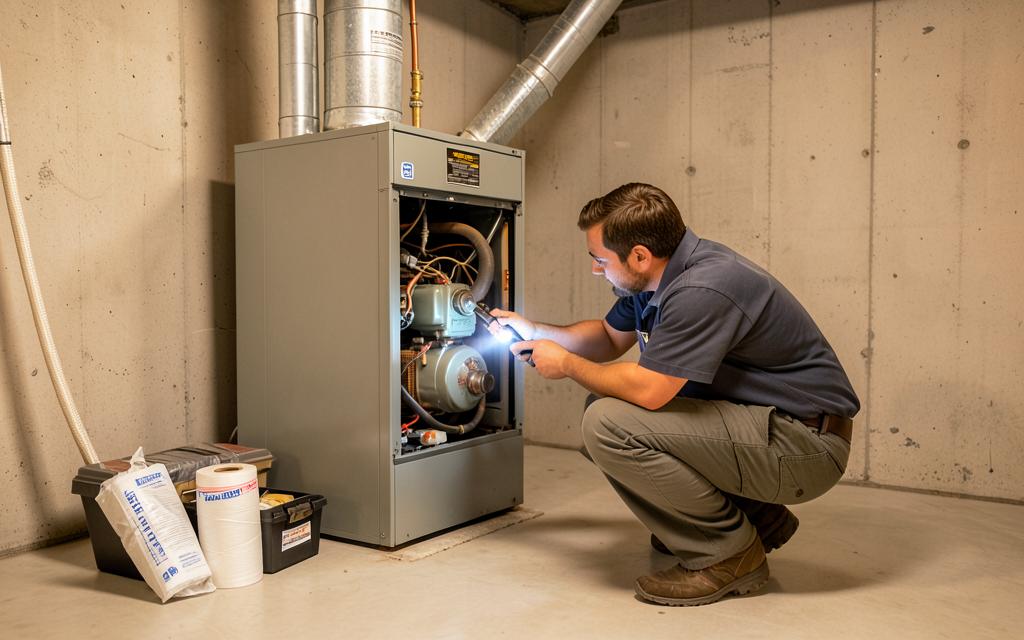
A furnace can still produce warm air while developing a problem that deserves attention. A room that takes longer to warm, a new vibration, or an occasional shutdown is worth reporting before that symptom becomes a no-heat call. The useful question is not simply whether the furnace turns on. It is whether the system completes a normal heating cycle, moves air properly and operates within its equipment requirements.
For a Des Plaines homeowner, preparing before winter gives the work a better setting: the house is not already losing heat while you decide what to do. Maintenance does not guarantee a trouble-free season. It can identify current problems and leave time to understand repair options rather than treating every decision as urgent.
What a tune-up should be checking
The scope follows the furnace model, fuel, condition and manufacturer's instructions. A gas furnace needs attention to ignition, combustion, venting and safety controls. Airflow matters as well: the filter, return path, blower and supply registers work together. A technician should distinguish a component that needs cleaning from a damaged component that needs repair. Cleaning is not a substitute for diagnosing a recurring safety shutdown.
Condensing furnaces also have a condensate path. A blocked drain or poorly routed line can interfere with operation even when the thermostat and burner controls are otherwise working. Mention moisture around the furnace, a drain that has required attention before, or noises that start after the burner runs. Those details help keep the inspection tied to the actual symptom.
For the broader diagnosis beyond this symptom, see what can cause a furnace to stop working; the visible FAQ separates safe observations from technician-only checks.
Why timing changes the experience
An unresolved problem discovered before regular heating leaves more room to review the diagnosis, obtain a repair proposal and plan access. A breakdown during freezing weather adds another concern: keeping people and plumbing safe while the equipment is out of service. It may also require temporary arrangements or additional coordination. Those are practical differences, not a promise about the price of either visit.
Emergency work can cost more than preventive care, but the comparison depends on the failure. Replacing a failed major component is not the same job as cleaning and inspecting a working furnace. Parts, access, equipment condition and repair scope determine the bill. No honest comparison can turn an unknown future repair into a guaranteed savings figure today.
A filter is one part of airflow
Use the filter type, size and replacement guidance appropriate to your furnace and filter cabinet. A thicker or more restrictive filter is not automatically an upgrade. If the system struggles to move air, changing filtration without checking compatibility can worsen the restriction. Keep records of the installed filter and ask about the correct choice if you are unsure.
Look at the return grilles and supply registers without opening equipment panels. Furniture, stored boxes and renovation materials can interfere with airflow. A room above an addition or over a garage may have a different heat-loss problem from the rest of the house. Report where the discomfort occurs rather than assuming the furnace needs to be larger.
Symptoms worth writing down
Short cycling means the furnace repeatedly stops and starts, but there are several possible causes. Thermostat settings, airflow restrictions, controls and equipment faults can produce different patterns. Note whether the burner shuts down quickly, whether the blower continues, and whether an error message is visible without removing covers. Do not repeatedly reset a lockout to keep the furnace operating.
For a new noise, describe when it happens: before ignition, during blower operation or after shutdown. A rattle and a sharp ignition noise are not interchangeable symptoms. A persistent burning smell, smoke, overheating or visible damage requires stopping normal use and seeking help. You should not inspect live wiring, adjust gas pressure or bypass a safety control yourself.
Safety before comfort
A carbon monoxide alarm or symptoms such as headache, dizziness, nausea or confusion around fuel-burning equipment require everyone to leave for fresh air and call 911 from outside. Do not wait for a tune-up, silence the alarm and return to normal use, or re-enter before responders say it is safe. Carbon monoxide cannot be identified by smell.
If you smell gas, leave without operating switches or investigating the appliance. Call the gas utility or emergency services from outside. A maintenance appointment is not the response to an active gas leak. Have carbon monoxide alarms installed and maintained according to their instructions and applicable requirements, and include that check in the household's winter preparation.
What maintenance can mean for energy use
Correcting an airflow restriction, combustion issue or control fault may improve operation when that problem exists. A properly maintained furnace still cannot remove heat loss through a poorly insulated attic or a drafty addition. Weather, thermostat settings, gas rates and other gas appliances also affect the bill. Compare the amount of fuel used, not just the total dollar amount.
A maintenance visit should leave a clear distinction between an equipment issue and a building issue. If bedrooms remain cold while the thermostat area warms quickly, ask about distribution and heat loss. If the furnace operates normally, another cleaning is not necessarily the answer. A useful recommendation explains what was found, what remains uncertain and which next step addresses that finding.
Preparing for the service visit
Provide the furnace model if it is readily visible, previous repair information and the symptoms you recorded. Keep the equipment area accessible without disturbing piping, venting or wiring. Tell the office about a locked utility room, a shared building system or a recent remodel that changed how the house heats. Access and system history matter to a practical diagnosis.
After the inspection, ask which items are routine maintenance, which are repairs and which concerns need a separate assessment. Keep the findings with the equipment records. A clear record is more valuable than a general assurance that everything has been checked; it gives the next visit a starting point and helps you plan work before winter adds urgency.
Related services and guides
See also: Whole-home winter checklist.
See also: Boiler and furnace tune-up service.
See also: Furnace repair.
See also: Des Plaines service area.
Frequently asked questions
Can a tune-up prevent every winter breakdown?
No. It documents and addresses the conditions found during the visit. Some parts fail without a visible warning, and a maintenance check cannot predict every event. Existing safety faults or recurring shutdowns need diagnosis rather than a promise that cleaning will resolve them.
Will the gas bill definitely fall afterward?
No specific reduction is guaranteed. Correcting an actual operating problem may help, but weather, heat loss, thermostat habits, rates and equipment design still matter. Ask which finding could affect energy use instead of relying on an advertised savings percentage.
Is it too late once winter starts?
No. Appropriate maintenance and diagnosis remain useful during winter. Report an active problem when arranging the visit so it is not treated as a routine check of normally working equipment. Safety warnings and a complete loss of heat need their own response.
How do I choose the maintenance interval?
Start with the furnace manufacturer's instructions and your service history. Equipment condition and use may justify additional attention. Ask what the inspection includes and whether separate repairs are recommended; do not assume every advertised tune-up has the same scope.
Talk to Right Away
Call 847-550-3322 to discuss the equipment, symptoms and maintenance needed at your property.
You can read more about our plumbing services, check the communities we serve, or start with plumbing in Des Plaines and Park Ridge. Planning a remodel or weighing a big replacement? Our consulting service is built for that conversation.
Service areas for this work include Des Plaines and Arlington Heights and Schaumburg. Questions about your building? Use our contact page.