
Steam Heat in Hyde Park's Vintage Buildings: Banging Radiators, Cold Rooms, and When to Replace the Boiler
· 9 min read · Right Away Plumbing and HVAC
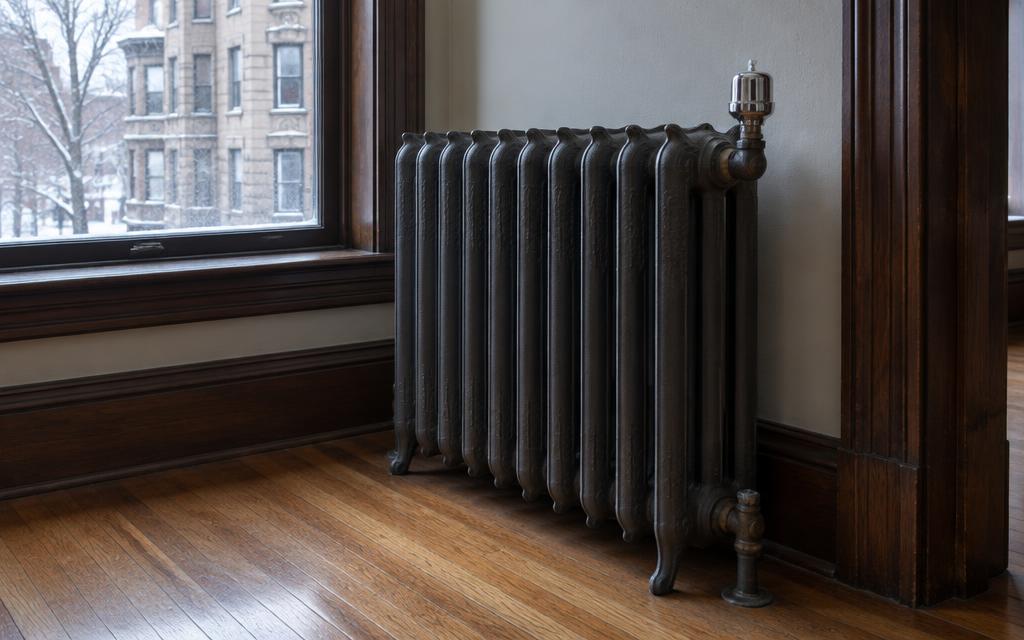
Walk down almost any block in Hyde Park or Kenwood and you will pass buildings heated the same way they were a century ago: a steam boiler in the basement, cast-iron radiators under the windows, and a network of pipes that has been painted, rerouted and patched through decades of owners. Courtyard apartment buildings, greystones, two-flats and condo conversions in the 60615 and 60637 ZIP codes rely on these systems every winter.
Steam heat done right is quiet, even and remarkably durable. Done wrong, it is the source of most heating complaints we hear from the neighborhood: radiators that bang at 5 a.m., a top-floor unit with the windows open while the garden unit stays cold, and a boiler that seems to need a service call every few weeks. This guide is written for owners, condo boards and property managers who need to decide what to fix and what to replace.
Why Hyde Park buildings have so much steam
Much of the neighborhood's housing went up in the early twentieth century, when steam was the standard way to heat a multi-unit building. Courtyard buildings were often designed around one large boiler serving dozens of units. Many of those buildings later became condominiums, which means a single shared heating system now answers to an association rather than a single landlord.
That history matters because the original systems were carefully designed — pipe sizes, pitch and venting were matched to the building. Over the years, renovations moved radiators, removed some entirely, replaced boilers with units sized off old nameplates, and left main vents painted over or missing. Most of the problems we find today trace back to those changes.
For planned care rather than an active fault, review boiler maintenance in Chicago and report leaks or recurring shutdowns when booking.
If replacement is being considered after diagnosis, see what affects boiler replacement cost in Chicago before comparing written scopes; no single price fits every system.
For business or managed-building equipment, see commercial boiler repair in Chicago.
Banging radiators: what the noise is telling you
The sharp knock in a steam system is water hammer. Steam turns back into water as it cools, and that water has to drain back to the boiler. When it collects in a sagging pipe or a radiator that tilts the wrong way, the next rush of steam hits it hard.
In vintage buildings, the usual causes are radiators that have settled as floors moved, one-pipe radiator valves left partly open by residents trying to turn the heat down, basement mains that sag between hangers, and a boiler water line set too high. Oily boiler water — common after a new boiler or piping work — makes the water surge and adds to the problem.
- One-pipe radiator valves should be fully open or fully closed
- A radiator can be shimmed to pitch back toward its valve
- Banging in the basement usually points to mains, vents or water level
- Noise that started after a renovation often means rerouted piping
For the general version of this diagnosis, see why steam radiators bang or heat unevenly.
Cold rooms and uneven units
Steam reaches each radiator only after the air inside escapes. Main vents in the basement let steam fill the supply mains quickly; radiator vents control how fast each radiator fills. In a large courtyard building, missing or clogged main vents mean units near the boiler heat first and units at the far end of the building get steam late or not at all before the thermostat shuts the boiler down.
The common response — turning up the pressure — usually makes it worse. Higher pressure slows venting, increases noise and burns more fuel. The fix is almost always venting, pitch and control settings. In a condo building, a walk-through during a heating cycle, noting which radiators heat first and which lag, gives the board a clear record to work from.
Our steam boiler repair and radiator service page explains what a technician checks.
What owners and boards can safely check
With the system cool, confirm that one-pipe radiator valves are fully open and that each radiator tilts slightly toward its valve. Look at the boiler sight glass: water should be visible around the middle, not full and not empty. Ask residents to report which radiators are cold and when, rather than adjusting valves themselves.
Do not raise the pressure control, remove vents or cap them. If the sight glass is empty, the boiler keeps shutting off on low water, a pipe leaks or you smell gas, shut the boiler off and call. If you smell gas, leave and call the gas utility or 911 from outside. Every unit should have working carbon monoxide alarms.
Repair or replace the boiler?
Most steam complaints are repairable without touching the boiler. Replacement becomes the honest recommendation when the boiler has a cracked section or leaking firebox, when the same safety controls keep failing, when the boiler floods or loses water faster than it should because of internal leaks, or when parts are no longer practical to obtain.
When replacement is on the table, the new boiler should be sized by measuring the connected radiation in the building — the radiators actually installed today — not by copying the old nameplate. Many original boilers were oversized, and a building that lost radiators during renovations needs even less capacity. The near-boiler piping on a steam replacement is as important as the boiler itself; poor piping is a common cause of wet steam and banging after a new install.
Associations should also plan the timing. A replacement scheduled for late spring or summer avoids a no-heat period and gives residents notice. Waiting until a mid-winter failure usually means fewer choices and a harder week for everyone in the building.
See boiler replacement and installation for how we size and plan a replacement.
Hot-water buildings and furnaces in the neighborhood
Not every vintage building in Hyde Park is steam. Some were converted to hot-water heat, and many single-family homes and newer condos use furnaces. Hot-water systems have their own set of problems — pressure loss, air in the lines, failed circulators — and furnaces fail differently again.
For hot-water systems, see hot water boiler repair.
Homes with forced air can start with furnace repair.
Plan a pre-winter check
The easiest steam problems to solve are the ones found in early fall. A pre-season visit checks the low-water cutoff, pressure control, water quality, main vents and the radiators residents have complained about. It is also the right time to find out whether the boiler is near the end of its life.
Book a boiler tune-up before winter, or read about our full
Frequently asked questions
Why are the steam radiators in my Hyde Park building banging?
Usually condensate is trapped in a pipe or radiator that no longer drains properly. Partly open valves, settled radiators, sagging mains and a high boiler water line are the common causes in vintage buildings.
Why is the top-floor unit hot while the garden unit is cold?
Air is not leaving the system evenly. Missing or clogged main and radiator vents let some radiators fill with steam first. Venting and control corrections, not higher pressure, are the fix.
Should our condo association repair or replace the steam boiler?
Repair when the boiler is sound and the complaints are about noise and balance. Consider replacement when the boiler has a cracked section, leaks internally or keeps failing the same safeties. A replacement should be sized to the connected radiation.
Do you service courtyard and condo buildings in Hyde Park and Kenwood?
Yes. We work with owners, boards and property managers in Hyde Park and Kenwood, coordinate access to units and give written pricing before work begins. Call 773-250-6060.
When is the best time to replace a steam boiler?
Late spring or summer, when the building does not need heat and residents can be given notice. Mid-winter replacements leave fewer options.
Talk to Right Away
Steam heat in Hyde Park's vintage buildings can run quietly and evenly for many more years with the right venting, pitch and settings. When the boiler itself is done, a properly sized replacement with correct near-boiler piping makes the difference.
Right Away Plumbing & HVAC is based at 2093 Rand Rd, Des Plaines, IL 60016. Hyde Park and Chicago customers can call 773-250-6060.
You can read more about our plumbing services, check the communities we serve, or start with plumbing in Des Plaines and Park Ridge. Planning a remodel or weighing a big replacement? Our consulting service is built for that conversation.
Service areas for this work include Hyde Park and Chicago and Evanston. Questions about your building? Use our contact page.