
Frozen Pipe or Closed Valve? Des Plaines Safe Checks
· 6 min read · Right Away Plumbing & HVAC
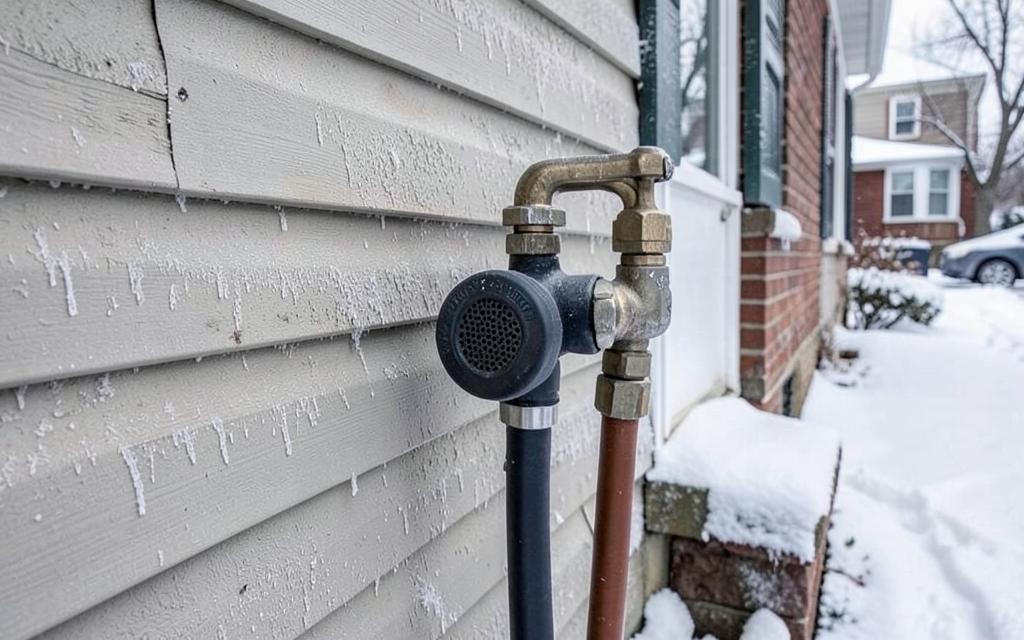
One faucet stops running during a cold snap while the rest of the house still has water. That pattern can point to a frozen branch pipe, but it is not proof by itself. A closed valve, fixture problem or other restriction may produce a similar symptom. The important first step is to notice what changed and avoid a rushed attempt to force water through an unknown blockage.
In Des Plaines and the northwest suburbs, the places worth reviewing include exterior-wall sinks, unheated crawlspaces, attached garages and plumbing added during a remodel. A warm living room does not tell you the temperature behind a cabinet or inside an outside wall. Winter preparation should follow the actual pipe route, not just the thermostat reading.
Find the exposed route before freezing weather
Walk through accessible areas while everything is dry and working. Look for water pipes near outside openings, poorly sealed penetrations or spaces that do not receive normal household heat. A utility sink in a garage may be supplied from a warm basement but still have an exposed final stretch. Document that stretch rather than assuming its starting point protects the whole line.
A recurring freeze at the same fixture deserves a lasting review. Pipe insulation slows heat loss but does not generate warmth. Depending on the building, the answer may involve air sealing, restoring appropriate heat to the space or changing the pipe route. Do not cover combustion openings or equipment clearances while trying to seal drafts. Any powered freeze-protection equipment requires suitable installation by qualified trades; Right Away does not perform electrical work.
Outdoor faucet winterization in Des Plaines: identify the setup first
An outdoor faucet can look ready for winter while water is still trapped inside it. Start with the faucet model and the pipe route. A short conventional hose bibb and a long frost-free wall faucet do not necessarily use the same shutdown procedure.
Before freezing weather, disconnect the garden hose and removable hose attachments as directed by the faucet manufacturer. Put the hose away drained. On a conventional frost-free design, a hose or attachment can stop the barrel from emptying after the handle is closed. Some newer designs drain differently, so identify the model instead of relying on the handle's appearance.
If there is a dedicated indoor shutoff, confirm which outdoor outlet it serves. Follow the instructions for that installed shutoff-and-drain arrangement; do not guess which cap to loosen or how an unfamiliar valve should be left. A valve that is seized, leaking or unlabeled needs attention before a rushed cold-weather shutdown. Do not close a shared valve unless you understand what else it supplies.
A cover is an extra precaution, not proof that the faucet has drained. The connection inside the wall, the faucet's required slope and the temperature around the supply piping still matter. Do not block a drain or vent opening with insulation. A faucet that remains connected to unheated piping needs a property-specific review.
Persistent dripping, a valve that will not operate normally, dampness at the inside wall or a repeat winter failure deserves plumbing assessment. Do not force a frozen handle, use an open flame or assume that restoring flow proves the pipe is intact. Keep clear of water near electrical equipment. If water is actively leaking, use a known shutoff only when it is safe to reach and operate.
Before calling, gather four details from safely accessible areas:
- A clear photo of the outdoor faucet and any visible model markings.
- Whether a hose, splitter, timer or other attachment was connected.
- Whether a dedicated indoor valve can be identified without moving or opening building materials.
- Where dripping or dampness appears, and whether it occurs only when the faucet runs.
For Des Plaines outdoor-faucet questions, call 847-550-3322. For the wider house, use the existing winter plumbing guide so the hose faucet is considered alongside vulnerable indoor piping.
Learn the main shutoff without forcing it
Know where the main water valve is and how to reach it. Make sure other adults in the household can find it without moving stored belongings during a leak. If the valve is corroded, leaking or difficult to operate, arrange assessment before there is an emergency. Forcing a deteriorated valve can create another problem at the worst time.
A water shutoff plan must account for the equipment connected to the supply. Boilers, fire-protection systems and other appliances may have their own requirements. Leaving home is not a reason to drain every pipe or disable every appliance without understanding that arrangement. Ask about a property-specific plan for travel, heating outages and leak monitoring rather than treating a generic checklist as complete winterization.
Understand a loss of water before taking action
Check whether one fixture or the entire property has lost flow. If the whole house is affected, a utility issue or a main supply problem is also possible. If only one branch is affected and the area is very cold, report that detail. Visible frost, a bulge or moisture along an accessible pipe is useful information, but hidden damage may not show until thawing.
Do not keep opening valves, raising pressure or tapping the pipe to locate ice. A frozen line can already be damaged. Water that begins flowing again does not prove the pipe is intact. Monitor surrounding rooms, ceilings and accessible pipework for moisture once service returns, and have a recurring freeze investigated even if the immediate symptom disappears.
Avoid dangerous thawing methods
Never use a torch or open flame on a frozen pipe. Do not place an unattended heater near framing, insulation or stored material. Avoid electrical appliances near water and never enter a flooded area to reach a valve or equipment. Hidden pipes, inaccessible crawlspaces and suspected damage are reasons to call a plumber rather than improvise a thawing method.
If water is actively leaking, close the known main shutoff only if you can reach and operate it safely. Keep away from electrical hazards. A substantial leak can affect walls, floors and neighboring spaces, not just the visible puddle. Arrange the appropriate plumbing repair and cleanup assessment; restoring water alone does not address wet building materials or contaminated water.
Household heat and cabinet access
Keep vulnerable spaces appropriately heated during cold weather. A large thermostat setback can leave a remote room or pipe cavity much colder than the central thermostat suggests. The right setting depends on the building and exposure, so do not rely on a universal indoor temperature as a guarantee. A heating fault also becomes a plumbing concern when pipes lose their heat source.
Opening an exterior-wall sink cabinet may allow room air to reach accessible piping, but move chemicals away from children and pets first. This is a temporary precaution, not a repair for a poorly protected pipe. Discuss any faucet-flow precautions with a plumber for the actual situation; running water is not a promise against freezing and may not be appropriate during supply or drainage problems.
After a freeze, plan beyond the patch
A split pipe needs repair, but the reason it froze should also be addressed. Ask whether cold air entered the cavity, whether insulation was disturbed or whether a remodel left a line outside the heated area. Replacing the same short section without reviewing exposure can leave the next cold snap with the same weakness.
Keep notes about the affected fixture, outdoor conditions, heating operation and repair location. Photographs of accessible piping can help explain the issue without opening walls yourself. When discussing work, separate the immediate leak repair from changes intended to reduce future exposure. Neither should come with a blanket promise that every pipe in the building is now protected.
Related services and guides
See also: Frozen-pipe repair.
See also: Water shutoff before a freeze.
See also: Winter maintenance checklist.
See also: Des Plaines plumbing service.
Frequently asked questions
Can a pipe be damaged before water appears?
Yes. An ice blockage can hide a split until thawing restores flow. Watch for moisture when water returns, and do not assume that a working faucet means the entire branch is sound. Visible damage or a recurring freeze warrants professional assessment.
Is flexible plastic pipe freeze-proof?
No. Pipe material, fittings and installation all affect how damage occurs. Flexible tubing should still be protected from freezing exposure. Do not choose a material or repair solely on a claim that it cannot burst.
Should I turn off water when traveling?
That depends on the property's equipment and connected systems. Have a plan that accounts for heating, appliances and any fire-protection requirements. A casual drain-down is not a substitute for properly winterizing an unoccupied property.
What if the shutoff cannot be reached safely?
Keep people away from water and electrical hazards and seek emergency help appropriate to the situation. Do not enter floodwater or crawl into an unsafe space to operate a valve. Improve access once the immediate hazard is resolved.
Talk to Right Away
Call 847-550-3322 to discuss the equipment, symptoms and maintenance needed at your property.
You can read more about our plumbing services, check the communities we serve, or start with plumbing in Des Plaines and Park Ridge. Planning a remodel or weighing a big replacement? Our consulting service is built for that conversation.
Service areas for this work include Des Plaines and Park Ridge and Rolling Meadows. Questions about your building? Use our contact page.