
Older Home, Higher Risk: Why Chicago-Area Basements Need a Sump Pump Check Every Fall
· 6 min read · Right Away Plumbing and HVAC
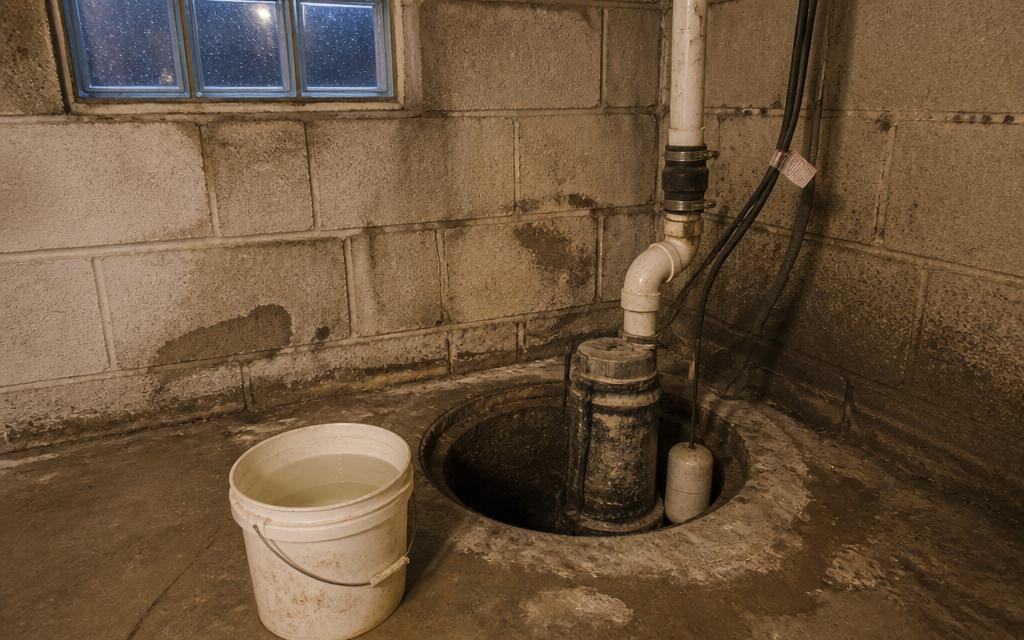
If your house was built before the 1980s, there's a good chance your basement was never designed with today's rainfall in mind. Older homes across Chicago and the suburbs often have older clay or cast-iron drain tile, aging foundations, and sump pumps that have quietly outlived their expected lifespan — and fall storms are exactly when that catches up with people.
Here is why older housing stock is most at risk, how to tell whether your sump pump can still handle the next downpour, and why early fall is the easiest time to do something about it.
Why older homes are more exposed
Homes built decades ago typically have foundation drainage systems that were adequate for the storm patterns of their era, not the heavier, more frequent downpours Chicago has seen in recent years. Add a sump pump that's 8–10 years old, and you've got a system running past its comfort zone right when it's needed most.
Newer construction usually has better grading, sump pit sizing, and backup systems — older homes often have none of that. The combination of aging drain tile, an older foundation, and a tired pump is exactly the setup a fast, soaking fall storm will test.
Not sure how long a sump pump is supposed to last? Read our guide to sump pump life expectancy in Chicagoland for the realistic 7–10 year range and what shortens it.
Signs your sump pump needs attention
- Age. Most sump pumps last 7–10 years. If you don't know when yours was installed, that's worth finding out before a storm, not during one.
- Unusual noise. Grinding, rattling, or a pump that runs constantly are all signs of wear.
- Slow cycling. If it hesitates or struggles to keep up when you test it, it may not keep up during a real storm.
- No battery backup. Power often goes out during the same storms that cause flooding. A pump with no backup power is a single point of failure.
- Visible rust or corrosion on the pump or discharge pipe.
How to test yours right now
Pour a bucket of water into the sump pit and watch what happens. The pump should kick on within a few seconds, move the water out efficiently, and shut off cleanly. If it hesitates, strains, or doesn't activate at all, don't wait for the next storm to find out the hard way.
While the pit is open, check that the float moves freely, the discharge pipe is supported and clear, and the outlet is a dedicated, working circuit. A quick test twice a year — early spring and early fall — catches most problems while they are still cheap.
If your test raises questions about the whole setup — pit sizing, backup power, or where the discharge exits — Right Away offers basement flood-prevention consulting that reviews sump pump sizing, battery backup, alarms and discharge routing together.
What a flooded basement actually costs
Beyond the obvious mess, basement flooding in older homes often means replacing drywall, insulation, and flooring, plus dealing with mold risk if it's not caught fast. A sump pump replacement is a fraction of that cost — and it's a same-day fix in most cases, not a multi-week remediation project.
That cost gap is the whole reason a fall check matters. A pump that fails during a downpour turns a routine service call into drywall removal, dehumidification, and reconstruction.
Fall is the window to fix it
Once the ground freezes and storms turn to snow, testing and replacing a sump pump gets harder and less urgent-feeling — until spring thaw hits and it's suddenly critical again. Right now, before the heaviest fall rains, is the easiest time to get it checked.
Scheduling a check in September or October means the work happens before the weather forces it, not after a basement full of water forces it. It is also when scheduling is most flexible, before cold-weather heating calls fill up the calendar.
If your home also has a below-grade bathroom or laundry, the pump in that sealed basin is a separate concern — see our guide to ejector pump life expectancy and replacement.
Ready to have the whole system checked? Our sump pump installation and repair service page covers diagnosis, replacement and battery-backup options.
Frequently asked questions
How often should I check my sump pump in an older Chicago home?
Twice a year — early spring before the wet season and early fall before the heaviest rains — plus after any major storm. Older homes with aging drain tile and foundations benefit most from a consistent check, because the sump pump is the one thing standing between storm runoff and a finished basement.
How long do sump pumps last in older Chicago basements?
Most residential sump pumps last about 7 to 10 years. A pump in a high-water-table basement that cycles heavily can wear out sooner; a well-maintained cast-iron pump in a drier pit can run a little longer. If you don't know the age of yours and the home is older, treat that as a reason to test it rather than assume.
Should I replace a sump pump that still works?
If it is at or past the 8–10 year mark, has never been tested, or shows rust, slow cycling, or unusual noise, replacing it before it fails is the smart call. The cost of a replacement is a fraction of what a flooded basement costs to clean up and reconstruct.
Does a battery backup matter in an older home?
Yes. The storms that push groundwater into a basement are often the same storms that knock out power. A primary pump on house power alone cannot protect anything during an outage, so a battery backup pump is one of the most worthwhile additions for an older Chicagoland basement.
When is the best time to replace a sump pump in Chicago?
Early fall, before the heaviest rains and before the ground freezes. It is the easiest time to access the pit and discharge line, and the most flexible time to schedule. Replacing proactively also beats an emergency call during or after a storm.
Talk to Right Away
Serving Chicago and the surrounding suburbs. Right Away Plumbing and HVAC installs and services sump pumps, battery backups, and drainage systems in homes throughout Chicago and the suburbs — including plenty of older housing stock where this matters most.
Reach the suburbs at 847-550-3322 and Chicago neighborhoods at 773-250-6060 to get your sump pump checked before the next storm rolls in.
You can read more about our plumbing services, check the communities we serve, or start with plumbing in Des Plaines and Park Ridge. Planning a remodel or weighing a big replacement? Our consulting service is built for that conversation.